Categories
BOOK REVIEWS

Will It Fly? Review and Summary

A Will It Fly review and summary: Pat Flynn's step-by-step process for checking whether your business idea is worth pursuing before you commit.

Will It Fly? by Pat Flynn book cover

★★★★½4.5/5

The verdict: A calm, practical way to test a business idea before you bet on it.

🎧 Listen free on Audible
Try Kindle Unlimited
Buy the paperback

⚡ Quick answerWill It Fly? by Pat Flynn gets 4.5/5 from me. A calm, practical way to test a business idea before you bet on it. First-timers with an idea who want to test it properly before quitting anything.

What is Will It Fly? about?

Flynn gives you a structured process to test a business idea before you invest serious time or money, combining self-examination, market research and a real-world validation step so you launch with evidence rather than hope.

Will It Fly? summary

Flynn splits the book into sections that move from you to the market. It starts with a mission-design exercise, checking whether the idea fits the life and goals you actually want, because a business that succeeds but makes you miserable is not a win.

From there he moves into market research: mapping who the idea serves, sizing up the competition and looking honestly at whether there is room and demand. The most valuable part is the validation step, where he pushes you to test the idea with real people, ideally getting them to commit money or a clear signal before you build anything.

Throughout, Flynn shares his own examples and templates and keeps the tone grounded and free of hype. The book reads like a friendly mentor walking you through a checklist, which is exactly what someone standing on the edge of an idea usually needs.

Published in 2016 by a well-known online entrepreneur, it draws on Flynn's own public experiments in building businesses. It is aimed at people who have an idea and want a sensible, low-hype way to test it.

The one idea worth the price: Get someone to commit money or a clear yes before you build the thing. Real validation beats a hundred encouraging opinions.

Key ideas and takeaways

  • Fit it to your life. Test the idea against the life you want before the market at all.
  • Research honestly. Map the audience and competition without flattering your own idea.
  • Validate with real people. Get a genuine signal, ideally money, before you build.
  • Evidence over hope. Launch because the data says go, not because you are excited.

My honest take

This is the antidote to the most expensive mistake in self-employment: spending months building something nobody wanted. Flynn's process is not glamorous, but it is exactly the kind of unsexy homework that saves people from a painful, quiet failure.

What I like is the tone. There is no hype and no promise of easy riches, just a sensible mentor walking you through the checks you should run before you commit. For anyone with an idea and a lot of nervous energy, it turns that energy into something structured.

It sits well alongside The Lean Startup for a solo audience. Where Ries can feel corporate, Flynn is plain and human, which makes the same validate-before-you-build discipline far easier to actually follow.

The honest caveat: It is practical rather than deep, and if you have validated ideas before, some of it will feel basic. That is fine; it is aimed at first-timers.

Where it falls short

  • It covers familiar validation ground and will feel introductory to experienced founders.
  • Some templates feel of their time, so use the thinking rather than copying them exactly.

How it compares

The Lean Startup gives you the theory of testing and iterating; Will It Fly gives you the friendly, step-by-step version for a solo starter. Read Flynn first if the corporate tone of Ries puts you off.

Who should read it (and who should skip it)

First-timers with an idea who want to test it properly before quitting anything. Skip it if you have launched several businesses already.

Best format: Kindle, because you will want to work through the exercises.

How to actually use it if you are self-employed

  • Write down whether this idea fits the life you actually want.
  • Find five potential customers and ask them to commit, not just to comment.
  • Set a clear go or no-go signal before you start building.
⚡ The 60-second recap

  • Check the idea against the life you want.
  • Research the market honestly.
  • Validate with real commitment before building.
A book is a shortcut. A second pair of eyes is faster.

Twenty years self-employed, 500+ people coached. If you want help applying this to your own situation, book a free discovery call.

Book a free discovery call

Frequently asked questions

Is it for online businesses only?

It leans that way in examples, but the validation process applies to almost any business idea.

Is it beginner-friendly?

Very. It is written for people testing their first serious idea.

Does it include templates?

Yes, though the value is in the process more than the specific worksheets.

How is it different from The Lean Startup?

Same core discipline, friendlier delivery. Flynn is plainer and better suited to a solo, non-tech reader.

Will it tell me if my idea is good?

It gives you a process to find out for yourself, which is more useful than a verdict.

Final verdict

Will It Fly? earns 4.5/5. A calm, practical way to test a business idea before you bet on it. If it is the stage you are at, the cheapest way in is a free Audible trial or Kindle Unlimited.

Note: Cover image via the Open Library Covers API. Rating is my own editorial score. Affiliate links are marked and support the site at no cost to you.
Publish reminder: set the featured image and meta description; confirm the /book-reviews/ category is assigned.
Categories
BOOK REVIEWS

Start with Why Review and Summary

A Start with Why review and summary: Simon Sinek's argument that people buy the reason behind what you do, not just the thing itself.

Start with Why by Simon Sinek book cover

★★★★½4.5/5

The verdict: A powerful core idea, wrapped in a bit more repetition than it needs.

🎧 Listen free on Audible
Try Kindle Unlimited
Buy the paperback

⚡ Quick answerStart with Why by Simon Sinek gets 4.5/5 from me. A powerful core idea, wrapped in a bit more repetition than it needs. Anyone whose offer blends into the crowd and needs a clearer reason for people to choose them.

What is Start with Why about?

Sinek argues that the most influential leaders and businesses think, act and communicate starting from why they do what they do, not what they do. The why is the purpose or belief that inspires people to follow or buy.

Start with Why summary

Sinek builds the book around what he calls the Golden Circle: three rings, with why at the centre, then how, then what on the outside. Most businesses communicate from the outside in, leading with what they do and how they do it. The rare, magnetic ones communicate from the inside out, leading with why they exist and the belief behind the work.

He uses examples, most famously Apple, to argue that people do not buy what you do, they buy why you do it. A clear why attracts customers and staff who share the belief, creates loyalty that price alone cannot, and gives decisions a consistent compass. Without one, a business competes only on features and price, which is a race to the bottom.

The later chapters look at how a why can be discovered, communicated and, crucially, protected as an organisation grows, since Sinek argues many companies lose their way when the what drifts away from the original why.

Published in 2009 and boosted by one of the most-watched TED talks ever, it turned start with why into a business catchphrase. It is aimed at leaders and businesses that want loyalty and meaning rather than competing on price alone.

The one idea worth the price: Lead with why you do what you do, not what you sell. The belief is what people actually connect with.

Key ideas and takeaways

  • The Golden Circle. Why at the centre, then how, then what. Start from the middle.
  • People buy why. Customers are drawn to the belief behind a product more than its specifications.
  • Clarity attracts. A clear why pulls in the right customers and the right people to work with.
  • Protect the why. As you grow, keep decisions anchored to the original purpose or you drift.

My honest take

The core idea genuinely holds, and it matters most when your offer looks like everyone else's. When you and three competitors sell roughly the same service at roughly the same price, the why is often the only thing that makes someone choose you.

For the self-employed, this is useful in a very practical way: it shapes how you talk about yourself. Once you can say why you do this work, not just what you do, your marketing stops sounding like a menu and starts sounding like a reason to care.

I will be honest, Sinek stretches one strong idea across a whole book and it can tip into repetition, and the Apple worship gets thick. But the central point is sound and, applied properly, it changes how you position yourself. Take the idea, skim the padding.

The honest caveat: It is one idea inflated to book length, and the examples lean heavily on a handful of famous companies. You can get the essence quickly, then apply it.

Where it falls short

  • The single concept is repeated more than it needs to be.
  • The examples are cherry-picked survivors, which makes the argument feel neater than reality.

How it compares

Building a StoryBrand is the more practical sibling: where Sinek tells you to find your why, Miller gives you the exact framework to say it. Read Sinek for the concept and StoryBrand for the how.

Who should read it (and who should skip it)

Anyone whose offer blends into the crowd and needs a clearer reason for people to choose them. Skip it if you already have sharp, purpose-led positioning.

Best format: Audio works well; it is more concept than reference.

How to actually use it if you are self-employed

  • Write one sentence explaining why you do your work, beyond making money.
  • Rewrite your bio or homepage opener to lead with that why.
  • Test it on a few clients and watch which version they respond to.
⚡ The 60-second recap

  • Start from why, not what.
  • People connect with the belief behind the work.
  • Keep growth anchored to your original purpose.
A book is a shortcut. A second pair of eyes is faster.

Twenty years self-employed, 500+ people coached. If you want help applying this to your own situation, book a free discovery call.

Book a free discovery call

Frequently asked questions

What is the Golden Circle?

A model with why at the centre, then how, then what. Sinek says the best communicators start from the why.

Is it practical or theoretical?

More conceptual than tactical. It gives you the idea; you supply the application.

Do I need the whole book?

The core lands early. If short on time, the first third gives you the working model.

Is the TED talk enough?

The talk covers the central idea well. The book adds examples and depth, but the essence is in the talk.

Does it apply to a one-person business?

Yes. A clear why is arguably even more powerful when the business is just you.

Final verdict

Start with Why earns 4.5/5. A powerful core idea, wrapped in a bit more repetition than it needs. If it is the stage you are at, the cheapest way in is a free Audible trial or Kindle Unlimited.

Note: Cover image via the Open Library Covers API. Rating is my own editorial score. Affiliate links are marked and support the site at no cost to you.
Publish reminder: set the featured image and meta description; confirm the /book-reviews/ category is assigned.
Categories
BOOK REVIEWS

The E-Myth Revisited Review and Summary

An E-Myth Revisited review and summary: why most self-employed people accidentally build themselves a job, and how Gerber says to fix it.

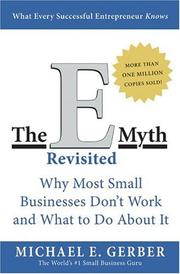
The E-Myth Revisited by Michael E. Gerber book cover

★★★★½4.6/5

The verdict: The book that explains why being good at the work is not enough to run the business.

🎧 Listen free on Audible
Try Kindle Unlimited
Buy the paperback

⚡ Quick answerThe E-Myth Revisited by Michael E. Gerber gets 4.6/5 from me. The book that explains why being good at the work is not enough to run the business. Any freelancer or solo operator who feels trapped doing everything themselves.

What is The E-Myth Revisited about?

Gerber's central idea is that most small businesses are started by technicians, people good at the actual work, who wrongly assume that being good at the work means they can run a business doing that work. The result is a job that owns them.

The E-Myth Revisited summary

Gerber opens with the entrepreneurial myth, the E-Myth of the title: the belief that businesses are started by entrepreneurs taking a calculated risk. In reality, he says, most are started by technicians, the baker who opens a bakery, the developer who goes freelance, on the false assumption that doing the work and owning the business are the same skill.

He splits the owner into three roles: the technician who does the work, the manager who creates order, and the entrepreneur who holds the vision. Most owners are almost all technician, which is why they end up buried. His fix is to work on your business, not just in it, building it as though you were creating a franchise prototype that could run without you.

The practical heart of the book is systems. Document how everything is done, so the business depends on repeatable processes rather than on your constant presence. Gerber tells it through a fictional pie-shop owner named Sarah, whose story runs through the book as she moves from overwhelmed technician to genuine owner.

First published in 1986 and revised in 1995, it has sold millions and become a standard recommendation for small-business owners. It is aimed at the technician-turned-owner who is working flat out and getting nowhere.

The one idea worth the price: Build the business as though someone else will run it, even if they never do. That single shift turns a job into an asset.

Key ideas and takeaways

  • The E-Myth. Being brilliant at the work does not mean you can run a business built on that work.
  • Work on it, not in it. Spend time building the business as a system, not only doing the daily tasks.
  • Technician, manager, entrepreneur. A healthy business needs all three, but most owners are stuck as pure technician.
  • The franchise prototype. Build as if you will franchise it, so everything is documented and repeatable.

My honest take

This is the book that names the trap almost every freelancer falls into. You are great at the thing, so you go solo doing the thing, and within a year you have simply hired yourself the worst boss you have ever had, with no holidays and no off switch.

Gerber's answer, systemise everything so the business does not live entirely in your head, is the difference between owning a business and being owned by one. Twenty years in, the people I have seen escape the grind are almost always the ones who took this lesson seriously early.

The fictional Sarah and the franchise language can feel dated, and you have to look past the repetition. But the core idea is one of the most important on this whole list for anyone who wants to stop trading every hour for money.

The honest caveat: It is repetitive and the franchise framing does not fit every kind of solo business neatly. Take the principle of systemising and adapt it to your scale.

Where it falls short

  • The writing circles the same points and pads them with the Sarah narrative.
  • The franchise-prototype model suits some businesses far better than others, so you may have to translate.

How it compares

Where The Lean Startup is about testing what to build, The E-Myth is about building the business so it does not collapse without you. Pair it with Traction if you want a modern operating system to put the idea into practice.

Who should read it (and who should skip it)

Any freelancer or solo operator who feels trapped doing everything themselves. Skip it if you already run a systemised business with a team.

Best format: Kindle or paper, because you will want to note the systems ideas and act on them.

How to actually use it if you are self-employed

  • Pick one task you do repeatedly and write a simple step-by-step process for it this week.
  • List which of your hours are technician work and which actually build the business.
  • Choose one part of the business to make less dependent on you being present.
⚡ The 60-second recap

  • Doing the work and owning the business are different skills.
  • Work on the business, not only in it.
  • Systemise everything so it does not all live in your head.
A book is a shortcut. A second pair of eyes is faster.

Twenty years self-employed, 500+ people coached. If you want help applying this to your own situation, book a free discovery call.

Book a free discovery call

Frequently asked questions

What does E-Myth mean?

The entrepreneurial myth: the false belief that being good at a skill means you can run a business based on that skill.

Is it only for shops and franchises?

No. The franchise language is a device. The systemising principle applies to any solo or small business.

Is it still relevant?

Very. The trap it describes is exactly what most modern freelancers fall into.

Do I need the revised edition?

The revised edition is the standard one and the one most people mean when they recommend it.

Is it a quick read?

Fairly quick, though it repeats itself, so you can move through it at pace.

Final verdict

The E-Myth Revisited earns 4.6/5. The book that explains why being good at the work is not enough to run the business. If it is the stage you are at, the cheapest way in is a free Audible trial or Kindle Unlimited.

Note: Cover image via the Open Library Covers API. Rating is my own editorial score. Affiliate links are marked and support the site at no cost to you.
Publish reminder: set the featured image and meta description; confirm the /book-reviews/ category is assigned.
Categories
BOOK REVIEWS

Company of One Review and Summary

A Company of One review and summary: Paul Jarvis makes the argument that bigger is not always better, and shows how to build a business that stays deliberately small.

Company of One by Paul Jarvis book cover

★★★★½4.4/5

The verdict: The case for staying small on purpose, and a plan for doing it well.

🎧 Listen free on Audible
Try Kindle Unlimited
Buy the paperback

⚡ Quick answerCompany of One by Paul Jarvis gets 4.4/5 from me. The case for staying small on purpose, and a plan for doing it well. Freelancers and solo operators who feel pressured to scale but suspect they do not want to.

What is Company of One about?

Jarvis challenges the assumption that every business should grow. A company of one is any business that questions growth for its own sake and stays small by choice, keeping the freedom, margins and sanity that scale often destroys.

Company of One summary

The book opens by attacking a belief most of us never examine: that a successful business must get bigger every year. Jarvis, who built a comfortable living working for himself, argues that growth brings costs we rarely count, more staff, more overheads, more complexity and less freedom, and that for many people the smarter goal is better rather than bigger.

He defines a company of one as a business that resists growth as the default and asks, each time, whether getting bigger would actually improve things. From there he covers the practical side: staying resilient as a small operator, building genuine relationships with a modest number of customers, keeping costs low, and using your size as an advantage rather than apologising for it.

Much of the second half is about the mindset and systems that let one person run a stable, profitable business without a team, from setting boundaries to designing an offer that does not force constant scaling. It is less a step-by-step manual and more a permission slip backed by sensible thinking.

Published in 2019, it landed as a quiet counterpoint to hustle-and-scale culture and found a loyal audience among freelancers and small operators. It is aimed at people who feel the pressure to grow but sense it is not what they actually want.

The one idea worth the price: Every time growth is on the table, ask whether it actually makes things better, or just bigger. The two are not the same.

Key ideas and takeaways

  • Question growth. Treat getting bigger as a decision to justify, not an automatic goal.
  • Better, not bigger. Improving margins, freedom and the work itself often beats adding revenue and headcount.
  • Small is resilient. A lean one-person business has fewer costs to cover and can weather storms a bloated one cannot.
  • Relationships over reach. A small number of well-served customers can sustain you better than endlessly chasing new ones.

My honest take

This is one I wish more people read before they scaled themselves into misery. So many self-employed people assume the goal is a team, an office and a bigger number, then wonder why they are more stressed and less free than when they started alone.

Jarvis gives you permission to want something different, and, more usefully, a sensible way to build it. Not everyone should stay a company of one, but everyone should at least choose it consciously rather than sleepwalking into growth because it is what you are supposed to do.

It pairs neatly with how I coach people. Plenty of my clients do not want an empire; they want to earn well, work with people they like and keep their evenings. This book is written squarely for them, and it treats that ambition as valid rather than a lack of it.

The honest caveat: It is stronger on philosophy than on step-by-step tactics, so do not expect a detailed operating manual. Take the mindset and build the specifics yourself.

Where it falls short

  • It leans repetitive, circling the same core point in different clothes.
  • The examples skew towards writers and online businesses, so other trades have to translate a little.

How it compares

The $100 Startup is about starting small and cheap; Company of One is about deliberately staying small for the long haul. Read Guillebeau to begin and Jarvis to decide how big you actually want to get.

Who should read it (and who should skip it)

Freelancers and solo operators who feel pressured to scale but suspect they do not want to. Skip it if your genuine goal is to build a large company with a team.

Best format: Audio or Kindle both work; it is more ideas than reference.

How to actually use it if you are self-employed

  • Before your next growth decision, write down whether it improves the work or just the numbers.
  • Set one boundary this week that protects your time from a client demand.
  • Identify the handful of customers worth doubling down on rather than chasing new ones.
⚡ The 60-second recap

  • Growth is a choice to justify, not a default.
  • Aim for better before bigger.
  • A small, resilient business can be the smarter goal.
A book is a shortcut. A second pair of eyes is faster.

Twenty years self-employed, 500+ people coached. If you want help applying this to your own situation, book a free discovery call.

Book a free discovery call

Frequently asked questions

Is it anti-growth?

Not exactly. It is anti-growth-by-default. Jarvis wants you to choose growth consciously rather than assume it.

Who is it best for?

Solo operators and freelancers who feel pushed to scale but would rather stay lean and free.

Is it practical?

More philosophical than tactical, but the mindset shift is genuinely useful and the boundaries advice is sound.

Does staying small limit income?

Not necessarily. Lower costs and higher margins can mean a small business keeps more than a bigger, busier one.

Is it still relevant?

Yes, arguably more so as more people go solo and question the scale-at-all-costs model.

Final verdict

Company of One earns 4.4/5. The case for staying small on purpose, and a plan for doing it well. If it is the stage you are at, the cheapest way in is a free Audible trial or Kindle Unlimited.

Note: Cover image via the Open Library Covers API. Rating is my own editorial score. Affiliate links are marked and support the site at no cost to you.
Publish reminder: set the featured image and meta description; confirm the /book-reviews/ category is assigned.
Categories
BOOK REVIEWS

The $100 Startup Review and Summary

A $100 Startup review and summary: Chris Guillebeau's case studies are the antidote to thinking you need funding and permission to begin.

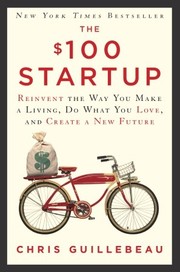
The $100 Startup by Chris Guillebeau book cover

★★★★½4.5/5

The verdict: Proof you do not need investors, staff or an office to start.

🎧 Listen free on Audible
Try Kindle Unlimited
Buy the paperback

⚡ Quick answerThe $100 Startup by Chris Guillebeau gets 4.5/5 from me. Proof you do not need investors, staff or an office to start. First-time, bootstrapped starters.

What is The $100 Startup about?

Guillebeau studies more than fifty people who built profitable microbusinesses on tiny budgets, then pulls out the patterns: solve a real problem, match a skill to a need, and start before you feel ready.

The $100 Startup summary

Guillebeau's book is built on research rather than theory. He studied more than fifty ordinary people who had each built a business generating a solid income from a starting investment of around a hundred dollars or less, then looked for what they had in common.

The patterns are refreshingly plain. Successful microbusinesses tend to sit at the convergence of something the founder is good at and something people will actually pay for. They solve a real, specific problem. They start small and cheap, often as a side project, and they reach a paying customer as fast as possible rather than perfecting in private. He champions the one-page business plan and the idea of selling before you build, testing demand with a real offer before investing serious time.

Running through all of it is a particular definition of success. For Guillebeau the goal is freedom and enough income to live on your own terms, not growth for its own sake. The book is as much a permission slip as a manual, aimed at people who assume they need money, contacts or credentials they do not actually have.

Published in 2012 by a writer known for unconventional living, it drew on a large set of real microbusiness case studies rather than theory. It is aimed at people who want to work for themselves on a small budget, and who assume, wrongly, that they need more than they have to start.

The one idea worth the price: Success sits where your skills meet what people will pay for. Find that overlap and the business almost designs itself.

Key ideas and takeaways

  • Convergence. The sweet spot where something you are good at meets something people will actually pay for.
  • The one-page business plan. If it does not fit on a page, you are overcomplicating the start.
  • Sell before you build. Get a yes and money on the table before you pour time into building the thing.
  • Freedom as the goal. Success is defined as freedom and enough income, not scale for its own sake.

My honest take

This is the antidote to the lie that you need funding and someone's permission to begin. The case studies are the whole point: dozens of ordinary people who started with almost nothing and made it pay. For anyone stuck at the "but how would I even begin" stage, it is a shot of grounded optimism rather than hype.

I like that it defines success as freedom and a good income, not as building an empire. Plenty of people reading this list do not want a hundred staff; they want to work for themselves and be paid well for it. This book is squarely for them, and it makes the first step feel possible instead of enormous.

What I like is that it argues, with evidence, against the two excuses that stop most people: I need money, and I need permission. Fifty-odd case studies of people who had neither and started anyway is a hard thing to argue with. For the reader who wants to work for themselves without building an empire, it is close to a perfect first book.

The honest caveat: Some case studies feel cherry-picked, and survivorship bias is real: you are reading about the ones who made it, not the ones who did not. Take the how, not a guarantee.

Where it falls short

  • Survivorship bias runs through it; you are reading only about the ones who made it.
  • A few examples feel a little too neat, so treat them as inspiration rather than a formula.

How it compares

The Lean Startup gives you the method for testing an idea; The $100 Startup gives you the confidence and the plain first steps to begin at all. Read this one first if the blank page is the thing stopping you.

Who should read it (and who should skip it)

First-time, bootstrapped starters. Skip it if you are already trading and want growth tactics rather than starting ones.

Best format: Audio or Kindle. The case studies listen well on a commute.

How to actually use it if you are self-employed

  • Write your offer on a single page, no longer.
  • Try to pre-sell it before you build anything.
  • Match one skill you already have to a problem people already pay to solve.
⚡ The 60-second recap

  • Start where your skills meet real demand.
  • Keep the plan to one page and sell before you build.
  • Define success as freedom, not size.
A book is a shortcut. A second pair of eyes is faster.

Twenty years self-employed, 500+ people coached. If you want help applying this to your own situation, book a free discovery call.

Book a free discovery call

Frequently asked questions

Do I really only need $100?

The title is a hook. The real point is that many businesses start on very little, so lack of capital is rarely the true blocker.

Is it good for service businesses?

Yes. Many of the case studies are service and skill based, which suits most freelancers well.

What should I read next?

The Lean Startup to test your idea, or Company of One if you want to stay deliberately small.

Is the $100 figure realistic?

It is a hook to make a point. The real message is that lack of capital is rarely the true barrier to starting.

Is it dated now?

The tools and mindset hold up well, even if a few specific examples are of their time.

Final verdict

The $100 Startup earns 4.5/5. Proof you do not need investors, staff or an office to start. If it is the stage you are at, the cheapest way in is a free Audible trial or Kindle Unlimited.

Note: Cover image via the Open Library Covers API. Rating is my own editorial score. Affiliate links are marked and support the site at no cost to you.
Publish reminder: set the featured image and meta description; confirm the /book-reviews/ category is assigned.
Categories
BOOK REVIEWS

The Lean Startup Review and Summary

A Lean Startup review and summary: translating Eric Ries' build-measure-learn discipline down to the scale of a one-person business.

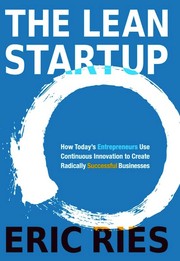
The Lean Startup by Eric Ries book cover

★★★★½4.5/5

The verdict: The book that stops you building something nobody wants.

🎧 Listen free on Audible
Try Kindle Unlimited
Buy the paperback

⚡ Quick answerThe Lean Startup by Eric Ries gets 4.5/5 from me. The book that stops you building something nobody wants. Anyone about to build or launch something.

What is The Lean Startup about?

Ries applies lean manufacturing thinking to startups: build a minimum viable product, measure how real customers respond, learn from it and iterate. The aim is validated learning instead of expensive guessing.

The Lean Startup summary

Ries built the method after watching startups pour years and fortunes into products nobody wanted. His fix borrows from lean manufacturing and reframes a startup as a machine for learning under extreme uncertainty, rather than a smaller version of a big company executing a known plan.

The core loop is build, measure, learn. You build the smallest possible version of your idea, the minimum viable product, put it in front of real customers, measure how they actually behave, and use what you learn to decide the next move. He is fierce about measuring the right things, drawing a sharp line between vanity metrics that flatter you and actionable metrics that tell you the truth.

The biggest strategic idea is pivot or persevere. At regular checkpoints you look honestly at the data and decide whether to keep going or change direction. Done well, it means you fail cheaply and early on the wrong ideas, and pour your real effort only into the ones customers have already validated.

Published in 2011, it defined a way of thinking that spread far beyond Silicon Valley into how people talk about building almost anything. It is aimed at founders, but the discipline applies to anyone launching an offer into uncertainty, which is every freelancer trying something new.

The one idea worth the price: Progress is measured in validated learning, not features shipped. Ask what you have learned about the customer, not how much you have built.

Key ideas and takeaways

  • Minimum viable product. The smallest thing you can put in front of real people to test whether the idea holds.
  • Build-measure-learn. A loop, not a straight line. Ship, watch, adjust, repeat.
  • Validated learning. Progress is measured by what you have learned about customers, not by how much you have built.
  • Pivot or persevere. Decide in advance what the numbers need to say to keep going or change direction.

My honest take

Even as a one-person business, the core lesson has saved me money more than once: test cheaply before you commit. You do not need a factory or a dev team to build, measure and learn. You need to put a rough version in front of real people before you fall in love with the idea in your head.

The book is aimed at venture-backed tech and it gets jargon-heavy in places, which can feel oversized for a solo freelancer. Translate it to your scale and the discipline underneath applies to any offer you are about to launch. The instinct to build the whole thing in private and unveil it is exactly the instinct this book cures.

Scaled down to a freelancer, the lesson is almost embarrassingly simple and almost universally ignored: get people to buy the thing before you spend weeks making it. The number of course, service and product ideas I have watched get built in private and then met with silence is the whole reason this book still matters, even for a business of one.

The honest caveat: It is written for funded tech startups and the terminology can feel corporate if you are a team of one. You have to do the translation work yourself.

Where it falls short

  • The language and case studies are heavily tech and venture-flavoured, which can feel oversized for a solo service business.
  • Some of the terminology has been overused since, to the point of buzzword fatigue.

How it compares

The $100 Startup is friendlier and more grounded for a solo starter; The Lean Startup is sharper on how to test and iterate once you are moving. Start with Guillebeau to begin, then Ries to refine.

Who should read it (and who should skip it)

Anyone about to build or launch something. Skip it if you want small-business framing rather than startup language; The $100 Startup is friendlier for that.

Best format: Kindle. It is a reference you will flick back to rather than a one-pass listen.

How to actually use it if you are self-employed

  • Define the smallest version of your offer you can put in front of people this month.
  • Show it to five real prospects before you build the polished version.
  • Decide now what result would mean pivot and what would mean carry on.
⚡ The 60-second recap

  • Build the smallest testable version first.
  • Measure real behaviour, not vanity numbers.
  • Decide in advance what would trigger a pivot.
A book is a shortcut. A second pair of eyes is faster.

Twenty years self-employed, 500+ people coached. If you want help applying this to your own situation, book a free discovery call.

Book a free discovery call

Frequently asked questions

Is it only for tech startups?

It is written for them, but the build-measure-learn discipline applies to any offer, product or service you are about to launch.

What is an MVP?

A minimum viable product: the smallest version of your idea you can test with real customers to learn whether it works.

Is it still relevant?

The language is a decade old but the core discipline of testing before committing is as useful as ever.

Do I need a tech background?

No, though you will translate some examples. The underlying discipline suits any launch.

Is it better than The $100 Startup?

Different jobs. Lean Startup is about testing and iterating; The $100 Startup is about getting going cheaply. They complement each other.

Final verdict

The Lean Startup earns 4.5/5. The book that stops you building something nobody wants. If it is the stage you are at, the cheapest way in is a free Audible trial or Kindle Unlimited.

Note: Cover image via the Open Library Covers API. Rating is my own editorial score. Affiliate links are marked and support the site at no cost to you.
Publish reminder: set the featured image and meta description; confirm the /book-reviews/ category is assigned.
Categories
BOOK REVIEWS

Can’t Hurt Me Review and Summary

A Can't Hurt Me review and summary: taking David Goggins' usable mental-toughness tools without buying the whole extreme lifestyle.

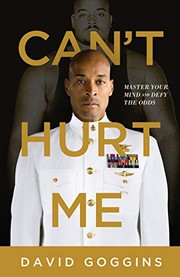
Can't Hurt Me by David Goggins book cover

★★★★½4.7/5

The verdict: Not a business book, but the toughness one that actually sticks.

🎧 Listen free on Audible
Try Kindle Unlimited
Buy the paperback

⚡ Quick answerCan't Hurt Me by David Goggins gets 4.7/5 from me. Not a business book, but the toughness one that actually sticks. Anyone making excuses who needs a jolt.

What is Can't Hurt Me about?

Goggins' memoir tracks his path from an abused, overweight kid to a Navy SEAL and ultra-runner, built around mental toughness and the idea of callousing the mind through deliberate hardship.

Can't Hurt Me summary

The book alternates between memoir and method. The story follows Goggins from a childhood scarred by abuse, poverty and racism, through being overweight and directionless, to remaking himself into a Navy SEAL and one of the world's toughest endurance athletes. It is genuinely gripping, and the hard-won nature of the transformation is what gives the tools their weight.

Between the chapters he sets out the mental techniques he used. The accountability mirror, where you face the blunt truth about yourself and your goals. The 40% rule, his belief that when your mind says you are finished, you have used only about forty percent of your capacity. The cookie jar, a mental store of past hard things you have overcome that you reach into when you want to quit. And callousing the mind, deliberately seeking discomfort so that hardship loses its grip on you.

Each chapter ends with a challenge, which turns the book into something closer to a programme than a straight read. The audiobook adds candid conversations between Goggins and his co-author that expand on every idea.

Published in 2018, it became a word-of-mouth phenomenon on the back of Goggins' podcast appearances and remains one of the most talked-about mental-toughness books of recent years. It is aimed at anyone who suspects they are capable of more than they are currently doing.

The one idea worth the price: The 40% rule: when everything in you says stop, you are only about forty percent done. There is far more left than your mind admits.

Key ideas and takeaways

  • The 40% rule. When your mind says you are done, you are roughly forty percent in. There is far more in the tank than the brain admits.
  • The accountability mirror. Tell yourself the blunt truth about where you are and what it will take.
  • The cookie jar. Keep a mental store of past hard things you got through, and draw on it when you want to quit.
  • Callousing the mind. Do hard things on purpose so the hard things that arrive uninvited hurt less.

My honest take

I am wary of the hard-man genre, but this one earns its place because the tools are usable, not just the story. The 40% rule is something I genuinely use on bad days, when the temptation to stop shows up long before I have actually run out of capacity.

Borrow the tools and leave the extremity. You do not have to run a hundred miles to use his methods. The self-employed grind is not Hell Week, but the reality Goggins keeps returning to, that no one is coming to save you, rhymes uncomfortably well with running your own thing. Take that, and the mirror, and the cookie jar, and you have a genuinely useful toolkit.

I came to this sceptical of the whole no-excuses genre and left using several of the tools for real. The trick is to separate the method from the man. You do not need to run ultramarathons to use the 40% rule on a hard afternoon, or a cookie jar of past wins on the days your confidence deserts you. Taken that way, it is one of the most practical toughness books there is.

The honest caveat: Goggins is extreme and the relentless tone will not suit everyone. Take it as inspiration and tools, not as a lifestyle you must copy.

Where it falls short

  • The intensity is relentless and the tone can tip into machismo that will not suit everyone.
  • It is light on rest and recovery, so take the drive without the burnout.

How it compares

Where Mindset explains the psychology of pushing past your limits, Can't Hurt Me is the raw, first-person account of someone doing it to an extreme. Read Dweck for the theory and Goggins for the fuel.

Who should read it (and who should skip it)

Anyone making excuses who needs a jolt. Skip it if a gritty, intense tone puts you off.

Best format: Audio, without question. The audiobook has Goggins talking between chapters and it is the best version of the book by a distance.

How to actually use it if you are self-employed

  • Next time you want to stop, deliberately do forty percent more.
  • Keep a running list of past wins to pull from when resolve dips.
  • Do one uncomfortable thing on purpose each day to build the callous.
⚡ The 60-second recap

  • You have far more in the tank than your mind claims.
  • Bank your past wins and draw on them when you flag.
  • Seek discomfort on purpose to build resilience.
A book is a shortcut. A second pair of eyes is faster.

Twenty years self-employed, 500+ people coached. If you want help applying this to your own situation, book a free discovery call.

Book a free discovery call

Frequently asked questions

Is it a business book?

No, it is a memoir about mental toughness. But the tools transfer directly to the discipline self-employment demands.

Which format is best?

The audiobook, because Goggins adds commentary between chapters that the print version does not have.

What is the 40% rule?

The idea that when your mind says you are finished, you are only about forty percent spent and can push further.

Is it useful if I don't care about fitness?

Yes. The physical feats are the backdrop; the transferable part is the mental toolkit.

Why is the audiobook recommended so strongly?

Because Goggins adds unscripted commentary between chapters that you do not get in print, and it is the best part.

Final verdict

Can't Hurt Me earns 4.7/5. Not a business book, but the toughness one that actually sticks. If it is the stage you are at, the cheapest way in is a free Audible trial or Kindle Unlimited.

Note: Cover image via the Open Library Covers API. Rating is my own editorial score. Affiliate links are marked and support the site at no cost to you.
Publish reminder: set the featured image and meta description; confirm the /book-reviews/ category is assigned.
Categories
BOOK REVIEWS

The Slight Edge Review and Summary

A Slight Edge review and summary: why Jeff Olson's book about small daily disciplines is the one to read in the discouraging middle before you quit.

The Slight Edge by Jeff Olson book cover

★★★★½4.4/5

The verdict: One simple truth stretched to book length, but the truth is worth it.

🎧 Listen free on Audible
Try Kindle Unlimited
Buy the paperback

⚡ Quick answerThe Slight Edge by Jeff Olson gets 4.4/5 from me. One simple truth stretched to book length, but the truth is worth it. Anyone stuck in the discouraging early grind.

What is The Slight Edge about?

Olson's argument is that success is the sum of small, easy disciplines repeated daily, and that small, easy errors compound just as powerfully in the wrong direction. The choices are easy to do and just as easy not to do.

The Slight Edge summary

Olson's book rests on one observation: the actions that create success are simple, small and easy to do, which is exactly why they are also easy not to do. Reading ten pages, making one more call, saving a little each month; none of it is hard, and none of it feels significant on the day you do or skip it.

The power, he argues, is in the compounding. Small right choices stack into large results over time, and small wrong choices stack into failure just as reliably. The trap is that both curves look flat for a long time before they diverge, so most people abandon the good habits during the invisible stretch when nothing appears to be happening.

Much of the book is about building the philosophy to keep going through that flat period: seeing time as your ally, trusting the process, and understanding that consistency, not intensity, is what wins. It is less a set of tactics and more a way of looking at every ordinary daily choice.

Published in 2005 and steadily popular ever since, it became a staple recommendation in sales and network-marketing circles in particular. It is aimed at people stuck in the discouraging middle of a long effort, who need a reason to keep going before the results show up.

The one idea worth the price: Results always lag the effort. The flat stretch where nothing seems to work is the normal part, not the signal to stop.

Key ideas and takeaways

  • The compound effect. Tiny actions look pointless in the moment and decisive over time.
  • Easy to do, easy not to do. The actions that build success are never hard. That is exactly why most people skip them.
  • The plateau. Results lag effort and stay hidden for a long time before they show. Most people quit inside the gap.
  • Philosophy over tactics. It is less a method and more a way of seeing daily choices.

My honest take

This is the book for the discouraging middle, the stretch when you have been at it for months and nothing seems to be moving. It reframes that flat period as the normal, invisible part of compounding rather than proof that it is not working. I hand it to clients who are about to quit right before the curve finally kicks up.

It is repetitive, and you could get a chunk of it from a long article. But the repetition is arguably the point, because this is a message people need on a loop, not once. Sometimes the book you need is not the cleverest one, it is the one that keeps you going.

I keep this one for clients at a very specific moment: three to six months in, when the early excitement has gone and the results have not arrived yet. That is when most people walk, right before the curve turns up. This book is the argument for staying in the chair a little longer, and some days that argument beats any tactic.

The honest caveat: It is one idea padded to book length. If you want a density of new ideas, you will find it thin.

Where it falls short

  • It is genuinely one idea repeated, so anyone wanting density will find it thin.
  • The examples can feel simplistic, and it leans hard on motivation over method.

How it compares

Atomic Habits is the better book if you want a method; The Slight Edge is the one to reach for when you already know what to do and just need convincing to keep doing it. They are a natural pair.

Who should read it (and who should skip it)

Anyone stuck in the discouraging early grind. Skip it if you want variety and pace.

Best format: Audio. It works as a passive-listen pep talk you can replay when your resolve dips.

How to actually use it if you are self-employed

  • Pick one fifteen-minute daily discipline and commit to ninety days.
  • Track it somewhere you will see it every day.
  • Expect the flat stretch, and treat carrying on through it as the whole game.
⚡ The 60-second recap

  • Small easy actions compound, and so do small easy mistakes.
  • The flat stretch is normal; keep going.
  • Consistency beats intensity.
A book is a shortcut. A second pair of eyes is faster.

Twenty years self-employed, 500+ people coached. If you want help applying this to your own situation, book a free discovery call.

Book a free discovery call

Frequently asked questions

Is it like Atomic Habits?

Same family, different flavour. Atomic Habits is the practical system; The Slight Edge is the motivational philosophy behind sticking with one.

Is it repetitive?

Yes, deliberately so. The single idea is hammered home, which suits some readers and frustrates others.

Who is it best for?

People in the discouraging early phase who need a reason to keep going before results appear.

Is it worth it if I've read Atomic Habits?

They pair well. Atomic Habits gives you the method; The Slight Edge gives you the reason to stick with it.

How long is it?

Short and quick, and it works nicely as an audio listen you replay when motivation dips.

Final verdict

The Slight Edge earns 4.4/5. One simple truth stretched to book length, but the truth is worth it. If it is the stage you are at, the cheapest way in is a free Audible trial or Kindle Unlimited.

Note: Cover image via the Open Library Covers API. Rating is my own editorial score. Affiliate links are marked and support the site at no cost to you.
Publish reminder: set the featured image and meta description; confirm the /book-reviews/ category is assigned.
Categories
BOOK REVIEWS

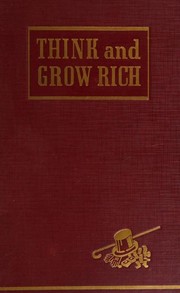
Think and Grow Rich Review and Summary

A Think and Grow Rich review and summary: reading past the 1930s language to find why Napoleon Hill's principles still underpin every hustle book since.

Think and Grow Rich by Napoleon Hill book cover

★★★★½4.4/5

The verdict: The granddaddy of the genre. Dated, but the bones are still good.

🎧 Listen free on Audible
Try Kindle Unlimited
Buy the paperback

⚡ Quick answerThink and Grow Rich by Napoleon Hill gets 4.4/5 from me. The granddaddy of the genre. Dated, but the bones are still good. Anyone who wants to understand where modern success thinking came from.

What is Think and Grow Rich about?

Hill's 1937 study of successful people distils success into principles: a definite purpose, burning desire, faith, persistence and the mastermind. It is the source code for most modern success writing.

Think and Grow Rich summary

Hill claims to have spent twenty years studying hundreds of successful people, including the industrialists of his era, to work out what they had in common. The result is thirteen principles, though a handful do the real work.

He opens with desire, arguing that vague wishes achieve nothing and that you need a burning, specific, written goal with a deadline and a plan. He adds faith and autosuggestion, the practice of feeding your own mind the belief that you will succeed. He stresses specialised knowledge over general education, and organised planning over hoping. Then comes persistence, the refusal to quit that he treats as the most common trait among people who eventually win.

The idea with the longest shelf life is the mastermind, the deliberate use of a group whose combined knowledge and energy lifts every member. Much of the modern coaching, networking and accountability world is a descendant of that single chapter. The language is very much of 1937 and a few sections have not aged well, but the skeleton underneath is the source of a whole genre.

First published in 1937 during the Great Depression, it is one of the best-selling personal development books ever written and the taproot of the whole genre. It is aimed at anyone willing to look past dated language to find the origins of ideas they have met a hundred times since.

The one idea worth the price: Write your goal as a precise sum with a deadline and a plan, then read it daily. Vague ambition is the enemy of achievement.

Key ideas and takeaways

  • Definiteness of purpose. Decide precisely what you want. Vague goals get vague results.
  • The mastermind. Surround yourself with a group whose combined thinking lifts everyone. Still one of the most useful ideas in business.
  • Persistence. The willingness to keep going past the point most people quit.
  • Specialised knowledge. General knowledge is nearly useless for making money. Deep, applied knowledge in one area is where the value sits.

My honest take

You have to read past the seance-era language and one or two chapters that have not aged well at all. But the core, decide exactly what you want and then refuse to quit, is the spine of nearly every success book written since. The mastermind idea alone changed how I work; I have been in one form of it or another for years, and the compounding effect of the right room of people is real.

Read it as a historical source rather than a modern manual and it earns its place easily. It is where the whole genre started, and going back to the original is often more useful than reading the hundredth copy of it.

Going back to the original is more useful than people expect. So many modern books are just one of these thirteen ideas restated, so reading the source gives you the whole map at once. The mastermind chapter alone reshaped how I structure my working life, and it earns the entry price by itself.

The honest caveat: Some chapters are genuinely dated and a couple veer into pseudoscience. Read it critically and keep what works.

Where it falls short

  • The 1937 language and worldview take patience, and a couple of chapters drift into pseudoscience.
  • It is long on principle and short on modern, practical steps, so pair it with something tactical.

How it compares

The 10X Rule is the modern, louder descendant of this book's message about desire and massive action. Read Hill for the original blueprint and Cardone for the high-energy remix.

Who should read it (and who should skip it)

Anyone who wants to understand where modern success thinking came from. Skip it if archaic language grates on you.

Best format: Audio or Kindle, and it is often free or on Kindle Unlimited as an older classic.

How to actually use it if you are self-employed

  • Write your single most definite goal with a real deadline attached.
  • Form or join a mastermind, even an informal one with two other people.
  • Name the one specialised skill worth going deep on this quarter.
⚡ The 60-second recap

  • Set a definite goal with a deadline.
  • Persist past the point where most people quit.
  • Build a mastermind around you.
A book is a shortcut. A second pair of eyes is faster.

Twenty years self-employed, 500+ people coached. If you want help applying this to your own situation, book a free discovery call.

Book a free discovery call

Frequently asked questions

Is it still worth reading?

As the origin of the genre, yes. Read it as a source rather than a step-by-step, and the core principles hold.

Is it outdated?

The language and some examples are, but the central ideas about purpose and persistence are not.

What is the mastermind idea?

Working with a group whose combined focus and contacts lift every member. It remains one of the book's most practical takeaways.

Is there a free version?

As an older classic it is often free or cheap, and frequently on Kindle Unlimited.

Which chapter matters most?

Desire and the mastermind. Get precise about what you want, then surround yourself with the right people.

Final verdict

Think and Grow Rich earns 4.4/5. The granddaddy of the genre. Dated, but the bones are still good. If it is the stage you are at, the cheapest way in is a free Audible trial or Kindle Unlimited.

Note: Cover image via the Open Library Covers API. Rating is my own editorial score. Affiliate links are marked and support the site at no cost to you.
Publish reminder: set the featured image and meta description; confirm the /book-reviews/ category is assigned.
Categories
BOOK REVIEWS

The War of Art Review and Summary

A War of Art review and summary: Steven Pressfield names the force that stops you doing the work, and refuses to let you dress procrastination up as anything else.

The War of Art by Steven Pressfield book cover

★★★★½4.5/5

The verdict: A short, sharp kick for anyone who keeps not starting.

🎧 Listen free on Audible
Try Kindle Unlimited
Buy the paperback

⚡ Quick answerThe War of Art by Steven Pressfield gets 4.5/5 from me. A short, sharp kick for anyone who keeps not starting. Every creator, freelancer or founder who keeps stalling.

What is The War of Art about?

Pressfield gives a name to the force that stops you doing your work: Resistance. The book argues that turning pro means showing up and doing the work regardless of how you feel about it on the day.

The War of Art summary

Pressfield splits the book into three short parts. The first, and the reason most people love it, defines the enemy: Resistance. It is his name for the invisible force that appears whenever you try to do work that matters, disguising itself as procrastination, distraction, self-doubt, even a sudden urge to tidy the house. He catalogues its many faces so you can spot it in yourself.

The second part is about beating it by turning professional. The amateur waits for inspiration and treats the work as a hobby. The professional shows up every day on a schedule, sits down whether the mood is there or not, and treats the work with the seriousness of a job. This is where the book earns its keep for anyone self-employed, because nobody else is imposing that discipline for you.

The third part turns metaphysical, with talk of muses, angels and a higher creative realm. It is the most divisive section and the one that loses some readers. You can take it or leave it without losing the value of the first two-thirds.

Published in 2002 by a novelist who found success late, it has become a cult favourite among creators, founders and anyone who works for themselves. It is short by design, closer to a series of blows than a manual, and aimed at people who keep not starting.

The one idea worth the price: Turning pro is a decision, not a promotion. You make it by showing up to the work on a schedule, whatever your mood is doing.

Key ideas and takeaways

  • Resistance. The universal internal enemy that shows up the moment work matters. Naming it makes it easier to fight.
  • Amateur vs pro. The amateur waits to feel ready. The pro shows up on schedule, mood be damned.
  • The muse rewards consistency. Inspiration turns up for people who are already at the desk working, not for people waiting for it.
  • Fear as a compass. The work that scares you most is usually the work that matters most.

My honest take

This one I actually reread. It is tiny, almost aphoristic, and it hits because it refuses to let you pretend procrastination is anything other than fear wearing a disguise. For anyone building something alone, where the only deadline is the one you invent, that is exactly the medicine you need.

I keep a copy on the desk. When I am avoiding the hard task and finding suspiciously urgent small ones instead, a few pages of Pressfield names what I am doing and I get back to work. Few books earn a permanent spot within arm's reach. This is one.

The reason it stays on my desk is that it is honest in a way most productivity advice is not. It offers no system and no hack. It just points at the fear you are dressing up as being busy and refuses to look away. Some days that is exactly the shove you need.

The honest caveat: The final third drifts into mysticism, with muses and angels that will not land for everyone. Take the first two-thirds and you have the gold.

Where it falls short

  • The final third leans into mysticism that will not suit more practical readers.
  • It diagnoses the problem brilliantly but offers less concrete method beyond sit down and do the work.

How it compares

Atomic Habits gives you the system to show up; The War of Art tells you why your excuses are lying to you. One is method, the other is motivation, and they work well back to back.

Who should read it (and who should skip it)

Every creator, freelancer or founder who keeps stalling. Skip it if you want a structured how-to.

Best format: Audio is perfect. It is short and punchy, an hour or two, and works as a listen you replay.

How to actually use it if you are self-employed

  • Set a non-negotiable daily start time for your most important work.
  • Ship something today at eighty percent rather than never at a hundred.
  • When you stall, say out loud that it is Resistance, then start anyway.
⚡ The 60-second recap

  • Name the enemy: Resistance.
  • Go pro and show up on a schedule.
  • The work that scares you is usually the work that counts.
A book is a shortcut. A second pair of eyes is faster.

Twenty years self-employed, 500+ people coached. If you want help applying this to your own situation, book a free discovery call.

Book a free discovery call

Frequently asked questions

Is it a business book?

Not directly, but it is one of the best books going for anyone who has to self-start, which is every freelancer and founder.

How long is it?

Very short. You can read or listen to it in one sitting, which is part of the appeal.

What does he mean by Resistance?

The internal force that makes you avoid important work. Naming it is the first step to beating it.

Is it only for artists and writers?

No. Pressfield writes for anyone doing self-directed creative or entrepreneurial work, which is most freelancers.

Should I skip the spiritual section?

If it does not land for you, yes. The first two parts hold the practical heart of the book.

Final verdict

The War of Art earns 4.5/5. A short, sharp kick for anyone who keeps not starting. If it is the stage you are at, the cheapest way in is a free Audible trial or Kindle Unlimited.

Note: Cover image via the Open Library Covers API. Rating is my own editorial score. Affiliate links are marked and support the site at no cost to you.
Publish reminder: set the featured image and meta description; confirm the /book-reviews/ category is assigned.
Categories
BOOK REVIEWS

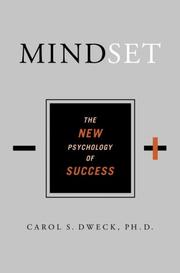
Mindset Review and Summary

A Mindset by Carol Dweck review and summary: how the fixed-versus-growth idea changes the way the self-employed handle failure, feedback and hard skills.

Mindset by Carol S. Dweck book cover

★★★★½4.5/5

The verdict: One idea, but an idea that quietly runs your whole career.

🎧 Listen free on Audible
Try Kindle Unlimited
Buy the paperback

⚡ Quick answerMindset by Carol S. Dweck gets 4.5/5 from me. One idea, but an idea that quietly runs your whole career. Anyone avoiding a skill because they have decided they are just not that kind of person.

What is Mindset about?

Dweck's research splits people into a fixed mindset, where ability is seen as innate and set, and a growth mindset, where ability grows with effort. The story you hold about yourself shapes how you handle challenge, feedback and failure.

Mindset summary

Dweck spent decades researching why some people crumble at setbacks while others treat them as fuel, and traces it to a single underlying belief. People with a fixed mindset believe their abilities are set, so every challenge becomes a test of whether they have it. People with a growth mindset believe abilities are built through effort, so challenges become chances to improve.

The book walks through how each mindset plays out across school, sport, business and relationships. The fixed mindset dodges challenges, gives up easily, sees effort as pointless and feels threatened by other people's success. The growth mindset does the opposite, and Dweck argues persuasively that the second group ends up further ahead precisely because they are not busy protecting a fragile self-image.

Crucially, she shows mindset is not itself fixed. You can catch fixed-mindset thinking and reframe it, most simply with the word yet. She also digs into how praise shapes both children and adults, warning that praising talent rather than effort quietly installs the very mindset you are trying to avoid.

Published in 2006 by a Stanford psychologist, it took the phrase growth mindset from academic research into everyday language, for better and occasionally for worse. It is written for anyone who wants to understand why they avoid certain challenges, and how to change that.

The one idea worth the price: Add the word yet to any sentence where you have written yourself off. I can't sell becomes I can't sell yet, and the whole game changes.

Key ideas and takeaways

  • Fixed vs growth. Do you believe you either can or cannot do something, or that you can get better at it? The answer changes everything downstream.
  • The power of yet. Not "I cannot do sales" but "I cannot do sales yet." Small change in words, large change in behaviour.
  • Effort as the path. In a growth mindset, effort is how ability is built, not proof you lack talent.
  • How praise backfires. Praising talent over effort can quietly install a fixed mindset, in you and in others.

My honest take

The self-employed live or die on how they handle being bad at things at first. Sales, marketing, saying no, pricing yourself properly: you will be clumsy at all of them early on. A fixed mindset turns every one of those early failures into a verdict about who you are. Dweck hands you a different frame, and the shift from "I am not a salesperson" to "I am not good at sales yet" is small to say and enormous in practice.

I catch myself using her language with clients constantly, because it works. It gives people permission to be a beginner without deciding they are a failure.

The self-employed are constantly made to do things they are not yet good at, in public, for money. That is fertile ground for a fixed mindset to talk you out of trying. Dweck's frame is the antidote I reach for most with nervous clients, because it makes being a beginner feel survivable rather than shameful.

The honest caveat: It is stretched thin over a full book and the research has faced replication questions in recent years. The core still stands; the padding you can comfortably skim.

Where it falls short

  • The single idea is stretched across a full book, with a lot of examples making the same point.
  • Parts of the underlying research have faced replication challenges, so hold the specifics loosely while keeping the practical frame.

How it compares

The War of Art tackles avoidance from the angle of fear and Resistance; Mindset tackles it from the angle of what you believe about your own ability. Read together, they cover most of the reasons people talk themselves out of trying.

Who should read it (and who should skip it)

Anyone avoiding a skill because they have decided they are just not that kind of person.

Best format: Audio is fine. It is conceptual rather than tactical, so you lose nothing by listening.

How to actually use it if you are self-employed

  • Catch one "I am not a X person" this week and add the word yet.
  • Ask for feedback on the exact thing you have been avoiding.
  • Treat your most recent failure as data about a method, not a verdict about you.
⚡ The 60-second recap

  • Ability grows with effort, and believing that changes behaviour.
  • Use yet to reframe every I-can't.
  • Praise effort and process, not talent.
A book is a shortcut. A second pair of eyes is faster.

Twenty years self-employed, 500+ people coached. If you want help applying this to your own situation, book a free discovery call.

Book a free discovery call

Frequently asked questions

Is the growth mindset idea actually legit?

The core idea is sound and useful, though some of the research has faced replication scrutiny. As a practical frame, it earns its keep.

How does it apply to business?

It changes how you approach every skill you are not good at yet, which as a solo operator is most of them at some point.

Do I need the whole book?

The central idea lands early. If you are short on time, the first half gives you the working model.

Is it aimed at parents or professionals?

Both. There is plenty on raising children, but the business and self-development uses are just as strong.

Can you really change your mindset?

Dweck argues yes, and the tools for doing it are the most useful part of the book.

Final verdict

Mindset earns 4.5/5. One idea, but an idea that quietly runs your whole career. If it is the stage you are at, the cheapest way in is a free Audible trial or Kindle Unlimited.

Note: Cover image via the Open Library Covers API. Rating is my own editorial score. Affiliate links are marked and support the site at no cost to you.
Publish reminder: set the featured image and meta description; confirm the /book-reviews/ category is assigned.
Categories
BOOK REVIEWS

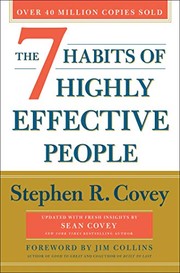
The 7 Habits of Highly Effective People Review and Summary

A 7 Habits of Highly Effective People review and summary: why Covey's slow-burn classic still beats most modern productivity books on substance.

The 7 Habits of Highly Effective People by Stephen R. Covey book cover

★★★★½4.6/5

The verdict: Dated on the surface, timeless underneath.

🎧 Listen free on Audible
Try Kindle Unlimited
Buy the paperback

⚡ Quick answerThe 7 Habits of Highly Effective People by Stephen R. Covey gets 4.6/5 from me. Dated on the surface, timeless underneath. Anyone who wants principles that outlast trends.

What is The 7 Habits of Highly Effective People about?

Covey builds from private victory (be proactive, begin with the end in mind, put first things first) to public victory (win-win, seek first to understand, synergise) and finishes with renewal (sharpen the saw). It is a principles book, not a hacks book.

The 7 Habits of Highly Effective People summary

Covey organises the book as a progression, not a checklist. The first three habits cover what he calls private victory, the work you do on yourself. Be proactive, which means owning your responses and focusing on what you can influence. Begin with the end in mind, which means defining success before you chase it. And put first things first, using his famous matrix to protect what is important from the tyranny of what is merely urgent.

The next three habits move to public victory, how you work with others. Think win-win rather than treating every deal as one winner and one loser. Seek first to understand, then to be understood, which is really just listening properly before you make your case. And synergise, where good collaboration produces more than the sum of its parts.

The seventh habit, sharpen the saw, wraps around all of them: renew yourself physically, mentally, socially and spiritually, or the other six degrade over time. It is a book about character and principles rather than quick wins, which is its weakness for impatient readers and its strength for anyone who wants something that lasts.

First published in 1989, it has sold tens of millions of copies and shaped decades of leadership training. It is aimed at people who want a durable framework for effectiveness rather than a bag of tricks, and it rewards patience in a way few modern books ask for.

The one idea worth the price: Pour your energy into your circle of influence and starve your circle of concern. Most of your stress lives in the gap between the two.

Key ideas and takeaways

  • Circle of influence. Spend your energy on what you can affect and stop bleeding it on what you cannot. For the self-employed, worry is a daily tax and this is the cure.
  • Begin with the end in mind. Decide what the finished thing looks like before you start moving.
  • The time-management matrix. Urgent and important are not the same. Most people drown in urgent and neglect important.
  • Sharpen the saw. Maintain the person doing the work, or the work degrades.

My honest take

I resisted this for years because it looked like corporate-training wallpaper. I was wrong. The circle of influence idea alone is worth the whole book for anyone self-employed, where it is easy to spend all day worrying about clients, algorithms and the economy, none of which you control on a Tuesday afternoon.

It reads slower than modern books and you have to mine it a little, but the substance underneath is deeper than most of what has followed. This is a book you keep and reread at different stages, getting something new each time.

For someone self-employed, the win-win habit quietly reshapes how you price and negotiate. Once you stop treating every client conversation as a fight to win, you strike better deals and keep clients longer. That one shift has probably earned me more than any tactic in a flashier book.

The honest caveat: The prose is heavy and the examples are of their era. You have to do a bit of digging to get to the gold, and impatient readers bounce off it.

Where it falls short

  • The writing is dense and dated, and you have to work to extract the value.
  • It is pitched at a corporate and family audience, so you translate some of it to a solo context yourself.

How it compares

Where most productivity books hand you tactics, Covey hands you the principles sitting underneath them. Pair it with The One Thing if you want the sharp, practical counterpart to Covey's slower, deeper approach.

Who should read it (and who should skip it)

Anyone who wants principles that outlast trends. Skip it if you want a quick tactical hit today.

Best format: Kindle or paperback. This is one to underline and revisit, not a passive listen.

How to actually use it if you are self-employed

  • Draw your circle of influence and consciously drop one worry that sits outside it.
  • Write a one-line mission for your business you can actually remember.
  • Block a weekly slot for important-but-not-urgent work before the urgent floods in.
⚡ The 60-second recap

  • Own your responses; work your circle of influence.
  • Protect important-but-not-urgent work every week.
  • Renew yourself or the good habits decay.
A book is a shortcut. A second pair of eyes is faster.

Twenty years self-employed, 500+ people coached. If you want help applying this to your own situation, book a free discovery call.

Book a free discovery call

Frequently asked questions

Is it still relevant?

More than most books its age. The principles are about human behaviour, which has not changed, even if the examples have.

Which habit matters most for the self-employed?

The circle of influence idea inside be proactive. It stops you wasting energy on things you cannot change.

Is it a hard read?

Slower than modern books, yes. Treat it as a mine, not a sprint, and it pays out.

Is a summary enough, or do I need the full book?

The matrix and the circle of influence you can grasp from a summary, but the depth on character rewards the full read.

Where should a beginner start?

Habits one to three. Get proactive, define your end goal, and protect your priorities first.

Final verdict

The 7 Habits of Highly Effective People earns 4.6/5. Dated on the surface, timeless underneath. If it is the stage you are at, the cheapest way in is a free Audible trial or Kindle Unlimited.

Note: Cover image via the Open Library Covers API. Rating is my own editorial score. Affiliate links are marked and support the site at no cost to you.
Publish reminder: set the featured image and meta description; confirm the /book-reviews/ category is assigned.
Categories
BOOK REVIEWS

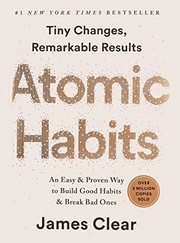
Atomic Habits Review and Summary

A practical Atomic Habits review and summary: why James Clear's systems-over-goals approach is the book I hand almost every self-employed client.

Atomic Habits by James Clear book cover

★★★★★4.8/5

The verdict: The most usable habit book there is, and the one I recommend more than any other.

🎧 Listen free on Audible
Try Kindle Unlimited
Buy the paperback

⚡ Quick answerAtomic Habits by James Clear gets 4.8/5 from me. The most usable habit book there is, and the one I recommend more than any other. Almost everyone, but especially anyone whose problem is consistency rather than knowledge.

What is Atomic Habits about?

Clear's core claim is that you do not rise to the level of your goals, you fall to the level of your systems. Tiny changes repeated daily compound, and lasting change comes from identity ("I am someone who…") far more than from motivation.

Atomic Habits summary

Clear structures the whole book around a single reframe: stop obsessing over goals and fix your systems instead. Goals set the direction, but your daily systems decide whether you get there. Two people with the same goal succeed or fail on the strength of their systems alone.

The engine of the book is the four laws of behaviour change. To build a habit, make it obvious, make it attractive, make it easy and make it satisfying; to break one, invert each law. Around that he stacks genuinely practical tools: habit stacking, where you attach a new habit to one you already do; environment design, where you arrange your surroundings so the good choice is the easy one; the two-minute rule for getting started; and habit tracking to keep the streak alive.

Underneath the tactics sits the idea that does the heavy lifting: identity. Every action is a vote for the type of person you want to become. You do not try to write a book, you become a writer one small action at a time. Clear ties it together with the plateau of latent potential, the reason habits feel pointless right up until they suddenly pay off.

Published in 2018, it became one of the best-selling non-fiction books of its generation, and for once the sales match the substance. It is written for anyone who knows what they should be doing but cannot get themselves to do it consistently, which describes most self-employed people at some point.

The one idea worth the price: Every action is a vote for the person you are becoming. Cast enough small votes and the identity, then the results, follow.

Key ideas and takeaways

  • The 1% principle. Small improvements are invisible day to day and enormous over a year. The maths of compounding applies to habits, not just money.
  • The four laws. Make it obvious, attractive, easy and satisfying. Flip them to break a bad habit.
  • Habit stacking. Bolt a new habit onto one you already do, so an existing routine becomes the trigger.
  • Identity over outcomes. You do not chase the goal, you become the kind of person for whom the goal is normal.

My honest take

For the self-employed this might be the most important book on the whole list, because nobody is making you do the work. Motivation is useless on a wet Tuesday when you are your own boss, and Clear's systems survive that exact moment. I have watched clients go from chaotic to consistent on the back of habit-stacking alone, without any grand plan.

It is practical without being preachy and short enough that you will actually finish it, which matters, because a habit book you abandon is its own small irony. This is the one I reach for first when someone tells me they know what to do but cannot make themselves do it.

The reason I recommend it more than any other book here is that you cannot finish it and have nothing to do on Monday. Most self-help leaves you inspired and stuck. This leaves you with two or three specific changes to your actual working day, which for the self-employed is the whole game.

The honest caveat: The ideas are not wholly original. Duhigg and BJ Fogg covered a lot of this ground first, and Clear's real gift is packaging. If you have read deeply in the area, some of it will feel familiar.

Where it falls short

  • If you have read Duhigg or BJ Fogg, some of it will feel like familiar ground in a tidier wrapper.
  • It is strong on personal habits and lighter on the messier, people-based habits of running a business.

How it compares

The Slight Edge makes the philosophical case for small actions; Atomic Habits gives you the mechanics to install them. If you only read one, read this, then use The Slight Edge to keep your resolve up on the hard days.

Who should read it (and who should skip it)

Almost everyone, but especially anyone whose problem is consistency rather than knowledge.

Best format: Works in any format. Kindle if you want to keep the four-laws checklists to hand, audio if you just want the ideas in your head.

How to actually use it if you are self-employed

  • Stack one work habit onto something you already do daily, like reviewing your day right after your morning coffee.
  • Design your desk so the most important task is the default thing in front of you.
  • Write one identity line: I am someone who ships work before checking email.
⚡ The 60-second recap

  • Systems beat goals; build the system.
  • Use the four laws to design habits on purpose.
  • Change the identity and the behaviour follows.
A book is a shortcut. A second pair of eyes is faster.

Twenty years self-employed, 500+ people coached. If you want help applying this to your own situation, book a free discovery call.

Book a free discovery call

Frequently asked questions

Is Atomic Habits better than The Power of Habit?

For practical use, most people find it easier to apply. The Power of Habit is stronger on the science and the stories; Atomic Habits is stronger on what to actually do.

How long does it take to read?

A few hours of reading or listening. It is deliberately concise, which is part of why it works.

Does it work for business habits, not just personal ones?

Yes. The systems apply cleanly to sales follow-up, content, admin and anything else you need to do without being told.

Do I need a physical copy?

Only if you want the checklists to hand. The audiobook carries the ideas perfectly well.

Is it worth reading if my habits are already decent?

Yes, because it helps you fix the one or two that keep slipping, which is usually where the money is.

Final verdict

Atomic Habits earns 4.8/5. The most usable habit book there is, and the one I recommend more than any other. If it is the stage you are at, the cheapest way in is a free Audible trial or Kindle Unlimited.

Note: Cover image via the Open Library Covers API. Rating is my own editorial score. Affiliate links are marked and support the site at no cost to you.
Publish reminder: set the featured image and meta description; confirm the /book-reviews/ category is assigned.
Categories
BOOK REVIEWS

Rich Dad Poor Dad Review and Summary

An honest Rich Dad Poor Dad review and summary: why Kiyosaki's flawed classic still does the one job a first money book has to do — make you rethink the salary.

Rich Dad Poor Dad by Robert T. Kiyosaki book cover

★★★★½4.4/5

The verdict: The book that makes people question the safe-job script. Flawed, but it lights the fuse.

🎧 Listen free on Audible
Try Kindle Unlimited
Buy the paperback

⚡ Quick answerRich Dad Poor Dad by Robert T. Kiyosaki gets 4.4/5 from me. The book that makes people question the safe-job script. Flawed, but it lights the fuse. Anyone still assuming a salaried job is the only safe option.

What is Rich Dad Poor Dad about?

Kiyosaki sets his own educated but perpetually broke father against his friend's less-schooled but wealthy one. The argument: school teaches you to work for money and never how money actually works. The fix is to buy assets that put money in your pocket and stop mistaking liabilities for assets.

Rich Dad Poor Dad summary

The book is built around a simple contrast. Kiyosaki's real father, the poor dad, was highly educated, worked hard, chased job security and stayed broke. His friend's father, the rich dad, left school early, built businesses and grew wealthy. Kiyosaki uses that contrast to make one central argument: the school system trains you to be a good employee and teaches you almost nothing about how money actually works.

From there he lays out his now-famous rules. Learn the difference between an asset and a liability, then spend your life buying assets. Understand that the wealthy do not work for money; they build or buy things that pay them whether they turn up or not. Treat your home as a liability rather than the asset most people assume it is. And take jobs for what they teach you, not only what they pay, with sales and communication singled out as the skills that change everything.

The back half moves into mindset and action: getting past fear and cynicism, paying yourself first, and using a business and the right structure to keep more of what you earn. None of it is a detailed plan. It is a way of seeing money that most people are never taught, delivered as a parable.

First published in 1997, it has sold tens of millions of copies and dragged personal finance into the mainstream self-help world. It is aimed squarely at people who were raised, as most of us were, to get good grades and find a safe job, and it is still a common first step for anyone starting to question that path.

The one idea worth the price: Run every purchase through one test: does this put money in my pocket each month, or take it out? That single question separates assets from liabilities for life.

Key ideas and takeaways

  • Assets vs liabilities. An asset feeds you, a liability bleeds you. Most people buy liabilities they have been told are assets, the family home being the famous, contested example.
  • The rat race. Earn, spend, earn more, spend more. A pay rise you immediately spend keeps you exactly where you started, just on a faster treadmill.
  • Work to learn, not to earn. Take a job for the skills, especially sales and communication, not only the wage.
  • Make money work for you. The goal is income you do not have to trade every hour for, rather than a bigger salary you never escape.

My honest take

I read this early and it did the one thing a first money book has to do: it made me annoyed enough to change something. The finance is thin and the anecdotes are almost certainly polished, but that misses the point. It reframes a payslip from security into a single income stream you do not control, and for a lot of people that is the first real crack in the wall. Twenty years self-employed, I can trace the start of it back to arguments this book started in my head.

Do not come to it for a plan. Come to it for the shift, then get your actual tactics from books that have them. As a spark, it has few equals, which is why it still sells by the truckload decades on.

What I respect most, looking back, is how efficiently it does its one job. It does not try to turn you into a finance expert. It tries to make you curious and slightly uncomfortable about how you earn and spend, and it succeeds. That discomfort is exactly what pushes people towards the second, better book.

The honest caveat: The specific advice is light and some of it is dubious. Treat it as a mindset primer, not a how-to, and do not put real money on the strength of it alone.

Where it falls short

  • The financial detail is thin and occasionally wrong, so do not build a real strategy on it alone.
  • Kiyosaki's later ventures and paid courses have drawn plenty of fair criticism, so judge the book on its own merits and keep the wider empire at arm's length.

How it compares

Where The Psychology of Money explains why we behave badly with money, Rich Dad Poor Dad is the earlier, blunter wake-up call that there is another way to think about it at all. Read this first for the jolt, then Housel for the wisdom.

Who should read it (and who should skip it)

Anyone still assuming a salaried job is the only safe option. Skip it if you already run a business and want practical finance, because you will find it basic.

Best format: Great on audio. It is story-led and you will get through it in a couple of walks.

How to actually use it if you are self-employed

  • List your real assets against your real liabilities this week and be honest about which your home is.
  • Pick one income stream you could start outside the job, however small.
  • Take one gig or role specifically to learn selling, not for the money.
⚡ The 60-second recap

  • A salary is one income stream you do not control.
  • Buy assets, understand liabilities, and stop confusing the two.
  • Learn to sell and communicate above almost everything else.
A book is a shortcut. A second pair of eyes is faster.

Twenty years self-employed, 500+ people coached. If you want help applying this to your own situation, book a free discovery call.

Book a free discovery call

Frequently asked questions

Is Rich Dad Poor Dad worth reading in 2026?

Yes, as a mindset primer rather than a finance manual. It still does the job of shaking loose the belief that a salary is the only safe path.

Is the rich dad character real?

Kiyosaki has always been vague about it and many doubt he existed. Read the book as a parable, not a biography, and it holds up fine.

What should I read after it?

Something with real mechanics. The Psychology of Money for behaviour, or The Millionaire Fastlane for building income that scales.

How long does it take to read?

A few hours. It is short and repetitive, so it moves quickly in print or on audio.

Do the tips work in the UK?

The tax and property specifics are American, so ignore those. The principles travel fine.

Final verdict

Rich Dad Poor Dad earns 4.4/5. The book that makes people question the safe-job script. Flawed, but it lights the fuse. If it is the stage you are at, the cheapest way in is a free Audible trial or Kindle Unlimited.

Note: Cover image via the Open Library Covers API. Rating is my own editorial score. Affiliate links are marked and support the site at no cost to you.
Publish reminder: set the featured image and meta description; confirm the /book-reviews/ category is assigned.
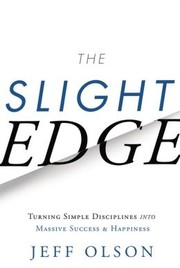
Categories
BOOK REVIEWS

The 50 Best Books for Freelancers & the Self-Employed

Twenty years in, I can tell you the fastest, cheapest mentor you will ever hire is a book. The right one takes someone else’s decade of expensive mistakes and hands it to you for the price of a coffee, or free on a trial.
This is the list I wish someone had handed me when I went self-employed: 50 books that actually move the needle for freelancers, solopreneurs and one-person businesses, sorted by the stage you are in and rated honestly.
Written by Alan Spicer — self-employment coach, YouTube Certified Expert and 20-year self-employed veteran who has coached 500+ people out of the safe-job trap. No paid placements here: every book is on the list because it earns its place, and each one now has its own full review.
⚡ Quick answer
The single best book for most people starting out is Atomic Habits for the behaviour side and The E-Myth Revisited for the business side. Do not try to read all fifty. Pick your stage below, take one book, and change one thing. The cheapest way to get through a stack of them is an Audible trial (a free credit) or Kindle Unlimited.
The smart way to read this list

Buying 50 books gets expensive fast. Most of the mindset and money titles here are made for listening on a walk or a drive. Start a free Audible trial, grab a credit, and your first audiobook costs nothing. Prefer reading? Kindle Unlimited members get thousands of titles on a flat monthly fee.

Mindset

Before tactics, before funnels, before a single invoice — the way you think decides whether any of the rest sticks. These are the books that shift how you see money, work and yourself.

Rich Dad Poor Dad by Robert T. Kiyosaki book cover

1. Rich Dad Poor Dad

Robert T. Kiyosaki

★★★★½4.4/5 · our rating

The book that rewires how you see a payslip. The assets-versus-liabilities lesson is simplistic and the stories are shaky, but nothing gets more people to question the safe-job script faster.

Best for: Anyone who still thinks a salary is the only safe money

Read the full Rich Dad Poor Dad review →

Atomic Habits by James Clear book cover

2. Atomic Habits

James Clear

★★★★★4.8/5 · our rating

The most usable habit book going. The 1% idea and habit-stacking actually hold up when your calendar is a mess and no one is making you do the work.

Best for: Building work routines that survive a chaotic week

Read the full Atomic Habits review →

The 7 Habits of Highly Effective People by Stephen R. Covey book cover

3. The 7 Habits of Highly Effective People

Stephen R. Covey

★★★★½4.6/5 · our rating

Old-fashioned in the best way. Begin with the end in mind and sharpen the saw still hold up decades on, long after flashier books have dated.

Best for: A principles foundation that outlasts trends

Read the full The 7 Habits of Highly Effective People review →

Mindset by Carol S. Dweck book cover
4. Mindset

Carol S. Dweck

★★★★½4.5/5 · our rating

Fixed versus growth sounds obvious until you notice yourself dodging sales calls because you are not a salesperson. This picks that habit apart.

Best for: Catching the stories that keep you small

Read the full Mindset review →

The War of Art by Steven Pressfield book cover

5. The War of Art

Steven Pressfield

★★★★½4.5/5 · our rating

A short, sharp read about why you stall. Pressfield names your excuses as Resistance and refuses to let you off the hook.

Best for: Anyone who keeps not doing the work

Read the full The War of Art review →

Think and Grow Rich by Napoleon Hill book cover

6. Think and Grow Rich

Napoleon Hill

★★★★½4.4/5 · our rating

Dated language and a couple of odd chapters, still worth it. The parts on desire, decision and persistence are the DNA of everything written since.

Best for: Understanding where every hustle book came from

Read the full Think and Grow Rich review →

The Slight Edge by Jeff Olson book cover

7. The Slight Edge

Jeff Olson

★★★★½4.4/5 · our rating

One idea over a whole book, but it is the right idea: small choices compound. Handy when the results have not shown up yet and you want to quit.

Best for: The early stretch when nothing seems to be working

Read the full The Slight Edge review →

Can't Hurt Me by David Goggins book cover

8. Can't Hurt Me

David Goggins

★★★★½4.7/5 · our rating

Not a business book, but the toughness one that sticks. Goggins is extreme; take the 40% rule and leave the ego on the shelf.

Best for: A hard mental reset when you are making excuses

Read the full Can't Hurt Me review →

Starting

The messy first stretch: proving an idea, getting the first client, deciding what you are actually building. These keep you from wasting a year on the wrong thing.

The Lean Startup by Eric Ries book cover

9. The Lean Startup

Eric Ries

★★★★½4.5/5 · our rating

Stops you building something nobody wants. The build-measure-learn loop is standard practice now for good reason, whether you are a team of one or fifty.

Best for: Testing an idea before you sink a year into it

Read the full The Lean Startup review →

The $100 Startup by Chris Guillebeau book cover

10. The $100 Startup

Chris Guillebeau

★★★★½4.5/5 · our rating

Fifty real cases of people who started tiny and made it pay. The antidote to thinking you need funding before you can begin.

Best for: Starting small without investors or an office

Read the full The $100 Startup review →

Company of One by Paul Jarvis book cover

11. Company of One

Paul Jarvis

★★★★½4.4/5 · our rating

Jarvis argues for staying small on purpose. If the word scale makes you wince, this is both the permission slip and the plan.

Best for: Anyone who has no interest in building an empire

Read the full Company of One review →

The E-Myth Revisited by Michael E. Gerber book cover

12. The E-Myth Revisited

Michael E. Gerber

★★★★½4.6/5 · our rating

Explains why most self-employed people end up owning their own worst boss. The work on it, not in it lesson is worth the whole book.

Best for: Freelancers who have built themselves a job, not a business

Read the full The E-Myth Revisited review →

Start with Why by Simon Sinek book cover

13. Start with Why

Simon Sinek

★★★★½4.5/5 · our rating

The why idea can tip into cult territory, but the core holds: people buy the reason before the thing. Useful when you blend into the crowd.

Best for: Standing out when your offer sounds like everyone else's

Read the full Start with Why review →

Will It Fly? by Pat Flynn book cover

14. Will It Fly?

Pat Flynn

★★★★½4.5/5 · our rating

Flynn walks you through testing a business idea properly. Practical, honest, and refreshingly free of get-rich energy.

Best for: Sense-checking an idea before you quit anything

Read the full Will It Fly? review →

The 4-Hour Work Week by Timothy Ferriss book cover

15. The 4-Hour Work Week

Timothy Ferriss

★★★★½4.4/5 · our rating

Half of it has not aged well, half of it shifted how a generation thinks about work. Read it for the reframe, not the outsourcing tactics.

Best for: A mindset jolt about how work could look

Read the full The 4-Hour Work Week review →

Rework by Jason Fried & David Heinemeier Hansson book cover

16. Rework

Jason Fried & David Heinemeier Hansson

★★★★½4.5/5 · our rating

Short, blunt and contrarian. The pair bin most received startup wisdom, which is a relief when you are running lean and solo.

Best for: Anyone sick of startup orthodoxy

Read the full Rework review →

Key Person of Influence by Daniel Priestley book cover

17. Key Person of Influence

Daniel Priestley

★★★★½4.6/5 · our rating

Priestley's five-step route to being the name people think of first. The pitch, publish and product sections are the ones you will actually use.

Best for: Becoming the obvious choice in your niche

Read the full Key Person of Influence review →

Sales & Marketing

Nothing happens until something sells. These are the books that make selling feel less like begging and more like a system you can run on repeat.

$100M Offers by Alex Hormozi book cover

18. $100M Offers

Alex Hormozi

★★★★★4.8/5 · our rating

The offer book. The value equation turns your pricing conversation into a system instead of a nervous shrug. Dense and worth re-reading.

Best for: Fixing pricing that feels like a guess

Read the full $100M Offers review →

$100M Leads by Alex Hormozi book cover

19. $100M Leads

Alex Hormozi

★★★★½4.7/5 · our rating

The follow-up to Offers, and the natural next read. No filler, all mechanics for turning attention into leads. Bring a notepad.

Best for: Getting strangers to want what you sell

Read the full $100M Leads review →

Expert Secrets by Russell Brunson book cover

20. Expert Secrets

Russell Brunson

★★★★½4.6/5 · our rating

Salesy by design, but the section on building conviction in your audience is genuinely sharp. Read it with your marketer's hat on.

Best for: Building belief in an audience you want to sell to

Read the full Expert Secrets review →

DotCom Secrets by Russell Brunson book cover

21. DotCom Secrets

Russell Brunson

★★★★½4.6/5 · our rating

The nuts and bolts of funnels. Pair it with Expert Secrets; this is the one that shows you the pipes.

Best for: The plumbing behind online funnels

Read the full DotCom Secrets review →

Building a StoryBrand by Donald Miller book cover

22. Building a StoryBrand

Donald Miller

★★★★½4.6/5 · our rating

Make the customer the hero, not your brand. The framework fixes wishy-washy copy fast; you will rewrite your homepage the same day.

Best for: Fixing a website that says nothing

Read the full Building a StoryBrand review →

Influence by Robert B. Cialdini book cover

23. Influence

Robert B. Cialdini

★★★★½4.6/5 · our rating

Six principles of persuasion backed by real research rather than bro-science. Read it for your own selling and your own defence.

Best for: Selling better and spotting when you are being sold to

Read the full Influence review →

This Is Marketing by Seth Godin book cover

24. This Is Marketing

Seth Godin

★★★★½4.4/5 · our rating

Godin at his most useful: marketing as service to the smallest viable audience. A calmer, kinder way to sell that still works.

Best for: Marketing without shouting louder

Read the full This Is Marketing review →

Oversubscribed by Daniel Priestley book cover

25. Oversubscribed

Daniel Priestley

★★★★½4.6/5 · our rating

Priestley on engineering demand so people queue for you. The best of his books for a service business that lives feast to famine.

Best for: Building a waiting list instead of a cashflow panic

Read the full Oversubscribed review →

Day Trading AttentionGary Vaynerchuk

26. Day Trading Attention

Gary Vaynerchuk

★★★★½4.5/5 · our rating

Vaynerchuk's current playbook for attention. Skip the hype and keep the platform-by-platform breakdowns, which are the useful part.

Best for: Organic reach across today's platforms

Read the full Day Trading Attention review →

Money

Earning it is one thing; keeping it, pricing it and negotiating for it is another. These sort out the side of self-employment that quietly sinks most people.

Profit First by Mike Michalowicz book cover

27. Profit First

Mike Michalowicz

★★★★½4.6/5 · our rating

The accounting habit that finally sticks. The system is simple enough to actually run, and it makes you pay yourself before the business eats everything.

Best for: Ending the feast-and-famine cashflow cycle

Read the full Profit First review →

The Psychology of Money by Morgan Housel book cover

28. The Psychology of Money

Morgan Housel

★★★★½4.7/5 · our rating

A money book about behaviour, not spreadsheets. The short chapters are the ones you end up quoting to friends for years.

Best for: Anyone whose money problems are really behaviour problems

Read the full The Psychology of Money review →

The 10X Rule by Grant Cardone book cover

29. The 10X Rule

Grant Cardone

★★★★½4.5/5 · our rating

Cardone is a lot. Under the volume is a real point about massive action and setting targets you would normally be too scared to say out loud.

Best for: A kick when you keep sandbagging your own targets

Read the full The 10X Rule review →

Money by Rob Moore book cover

30. Money

Rob Moore

★★★★½4.5/5 · our rating

Moore's blunt, British spin on making money. Occasionally over the top, but grounded and practical where a lot of the genre floats off.

Best for: A UK take on wealth without the American gloss

Read the full Money review →

I Will Teach You to Be Rich by Ramit Sethi book cover

31. I Will Teach You to Be Rich

Ramit Sethi

★★★★½4.6/5 · our rating

A system for putting your finances on autopilot. The chapters aimed at the self-employed and freelancers alone earn it a place.

Best for: Automating your money so you stop thinking about it

Read the full I Will Teach You to Be Rich review →

The Millionaire Fastlane by MJ DeMarco book cover

32. The Millionaire Fastlane

MJ DeMarco

★★★★½4.6/5 · our rating

DeMarco tears into save-for-40-years advice and argues for building something that scales past your hours. Ranty, but it lands.

Best for: Anyone tired of slow-lane get-rich-eventually advice

Read the full The Millionaire Fastlane review →

Never Split the Difference by Chris Voss book cover

33. Never Split the Difference

Chris Voss

★★★★½4.7/5 · our rating

FBI hostage tactics turned into everyday negotiation. Your conversations about rates and scope will not be the same afterwards.

Best for: Day-rate and contract conversations

Read the full Never Split the Difference review →

The Richest Man in Babylon by George S. Clason book cover

34. The Richest Man in Babylon

George S. Clason

★★★★½4.6/5 · our rating

Ancient parables, timeless rules. Pay yourself first, in about ninety pages. The book to hand your younger self.

Best for: The money basics, in an afternoon

Read the full The Richest Man in Babylon review →

Productivity

You are the whole team, so your attention is the bottleneck. These help you protect it, aim it and stop being busy for the sake of it.

Deep Work by Cal Newport book cover

35. Deep Work

Cal Newport

★★★★½4.6/5 · our rating

The case for focus in a distracted world. If the work that actually pays keeps getting shoved to the edges of your day, start here.

Best for: When admin and notifications eat your best hours

Read the full Deep Work review →

Four Thousand Weeks by Oliver Burkeman book cover

36. Four Thousand Weeks

Oliver Burkeman

★★★★½4.5/5 · our rating

Burkeman kills the productivity fantasy and it is a relief. You will never finish everything, so you choose what matters. Oddly freeing.

Best for: Anyone drowning in their own to-do list

Read the full Four Thousand Weeks review →

ADHD 2.0 by Edward M. Hallowell & John J. Ratey book cover

37. ADHD 2.0

Edward M. Hallowell & John J. Ratey

★★★★½4.5/5 · our rating

If your head does not work like the productivity gurus assume, this explains the wiring and gives you tools that actually suit it.

Best for: Working with a brain that runs differently

Read the full ADHD 2.0 review →

Getting Things Done by David Allen book cover

38. Getting Things Done

David Allen

★★★★½4.5/5 · our rating

The original capture-everything system. Fiddly to set up, but the calm head it gives you is real once you are running several jobs at once.

Best for: Juggling many clients without dropping anything

Read the full Getting Things Done review →

Essentialism by Greg McKeown book cover

39. Essentialism

Greg McKeown

★★★★½4.6/5 · our rating

The disciplined pursuit of less. The book to read when you are run off your feet and still cannot see why the money is not moving.

Best for: The busy-but-broke trap

Read the full Essentialism review →

The One Thing by Gary Keller & Jay Papasan book cover

40. The One Thing

Gary Keller & Jay Papasan

★★★★½4.6/5 · our rating

One focusing question that trims your to-do list to what actually matters. Simple, repeatable, and it works when you use it.

Best for: Cutting a long list down to what moves the needle

Read the full The One Thing review →

Eat That Frog! by Brian Tracy book cover

41. Eat That Frog!

Brian Tracy

★★★★½4.5/5 · our rating

Do the worst task first. That is the book, and it works. Twenty short chapters you can put to use before lunch.

Best for: Chronic procrastinators who want a quick win

Read the full Eat That Frog! review →

Make Time by Jake Knapp & John Zeratsky book cover

42. Make Time

Jake Knapp & John Zeratsky

★★★★½4.4/5 · our rating

Two ex-Google designers on building your day around a single priority. Lighter than Deep Work and easier to start today.

Best for: An easier on-ramp than Deep Work

Read the full Make Time review →

Scaling

The point where the business has to work without you doing every job. Delegation, systems and the harder decisions that come with growing past yourself.

The 48 Laws of Power by Robert Greene book cover

43. The 48 Laws of Power

Robert Greene

★★★★½4.5/5 · our rating

Cynical, amoral and uncomfortable, and worth reading with your eyes open. Greene shows you the power games happening whether you play or not.

Best for: Anyone who wants to see the games being played

Read the full The 48 Laws of Power review →

Traction by Gino Wickman book cover

44. Traction

Gino Wickman

★★★★½4.6/5 · our rating

The EOS system for getting a business out of your head and onto rails. The read for when it is time to stop being the only cog.

Best for: The jump from solo operator to owner

Read the full Traction review →

Who Not How by Dan Sullivan & Benjamin Hardy book cover

45. Who Not How

Dan Sullivan & Benjamin Hardy

★★★★½4.5/5 · our rating

Stop asking how to do it all and start asking who could. A simple swap that finally makes delegation feel possible.

Best for: Anyone who insists on doing everything themselves

Read the full Who Not How review →

Buy Back Your Time by Dan Martell book cover

46. Buy Back Your Time

Dan Martell

★★★★½4.6/5 · our rating

A practical guide to hiring and delegating so your calendar stops running you. Aimed squarely at the one-person business that has outgrown one person.

Best for: Freelancers drowning in their own success

Read the full Buy Back Your Time review →

The Almanack of Naval Ravikant by Eric Jorgenson book cover

47. The Almanack of Naval Ravikant

Eric Jorgenson

★★★★½4.7/5 · our rating

A free-flowing collection on wealth and happiness. Not a system, but the one you will come back to and mark up for years. Free as an ebook, too.

Best for: A highlighter-friendly reread on wealth and calm

Read the full The Almanack of Naval Ravikant review →

Zero to One by Peter Thiel & Blake Masters book cover

48. Zero to One

Peter Thiel & Blake Masters

★★★★½4.5/5 · our rating

Thiel on making something genuinely new rather than copying. Contrarian and quotable, and a good corrective when you are about to build another clone.

Best for: Anyone building a me-too business

Read the full Zero to One review →

Good to Great by Jim Collins book cover

49. Good to Great

Jim Collins

★★★★½4.5/5 · our rating

Collins' research on the jump from good to great. Level 5 leadership and the hedgehog concept still get quoted decades later for a reason.

Best for: Understanding why some businesses leap and others stall

Read the full Good to Great review →

The Hard Thing About Hard Things by Ben Horowitz book cover

50. The Hard Thing About Hard Things

Ben Horowitz

★★★★½4.6/5 · our rating

Horowitz on the parts of running something that no one prepares you for. Honest about the mess, which most business books are not.

Best for: The messy realities nobody warns you about

Read the full The Hard Thing About Hard Things review →

Audiobook vs Kindle vs paperback: which format for which book

Format matters more than people think. Here is the rule I use.

Format Best for Cheapest route
Audiobook Mindset, money and story-led books you absorb passively while walking, driving or at the gym. Audible free trial (free credit)
Kindle Tactical, framework-heavy books you want to highlight and search later. Kindle Unlimited (flat monthly)
Paperback Workbook-style reads you will dog-ear, annotate and lend out. Buy per book
My system: I listen to one book on the morning dog walk and keep one tactical book on the Kindle for evenings. Two books on the go, zero extra time carved out of the day.

If you are here, read these: reading stacks by situation

Still in the day job, itching to leave: Rich Dad Poor Dad, The War of Art, Company of One.
Just started, skint, need clients: $100M Offers, The E-Myth Revisited, Building a StoryBrand.
Working differently (ADHD or scattered): ADHD 2.0, The One Thing, Four Thousand Weeks.
Busy but stuck at a ceiling: Who Not How, Buy Back Your Time, Profit First.
Reading is the shortcut. Coaching is the accelerator.

A book compresses someone’s twenty years into a weekend. It still cannot make the calls for your exact situation. If you want a second pair of eyes on yours, book a free discovery call.

Book a free discovery call

People also ask

What is the best book for someone going self-employed?

For the mindset, Atomic Habits. For the business itself, The E-Myth Revisited, which explains why so many self-employed people accidentally build themselves a worse boss.

Which business book has the best return for the time?

$100M Offers by Alex Hormozi. It is short, dense and directly changes how you price and package what you sell, which usually pays for itself fast.

Are audiobooks as good as reading for business books?

For mindset, story and money books, yes, often better because you get through them. For heavy tactical books you want to annotate, a Kindle or paperback wins.

Frequently asked questions

How many of these books should I actually read?

You do not need all fifty. Pick one from the stage you are in right now, finish it, and change one thing you do because of it. One book that shifts your behaviour beats ten you skimmed. If you want a route, start with the five in the reading-path table below.

Is it cheaper to buy the books or use a subscription?

For most people a subscription wins. An Audible trial gives you a free audiobook credit, and Kindle Unlimited lets members read thousands of titles for a flat monthly fee. If you read or listen to more than one business book a month, a trial or subscription usually costs less than buying them one by one.

Audiobook, Kindle or paperback for this kind of book?

Narrative and mindset books (Can't Hurt Me, The Psychology of Money) work brilliantly on audio while you walk or drive. Tactical, framework-heavy books you will scribble in (Building a StoryBrand, $100M Offers) are better on Kindle or paperback so you can flick back. There is a format note on each pick to help you choose.

Are these not just the same recycled business books everyone lists?

Some are famous for a reason and they earn their place. But this list keeps the honest, uncomfortable and UK picks that sanitised lists drop, and every entry has a plain reason it is here and who it is for, rather than a copied blurb.

I have no time to read. What is the point?

That is exactly who audiobooks are for. A dog walk, the gym, the school run, the commute: that is a chapter a day without sitting down. Most of the mindset and money books on here are made for listening.

Can a book really help me go self-employed?

A book compresses someone else's twenty years into a weekend, which is a genuine shortcut. What it cannot do is make the decisions for your situation. That is the gap coaching fills, and there is a link near the end if you want a hand with the specifics.

Final thoughts

Do not treat this as a to-read list of fifty. Treat it as a shelf you dip into depending on where you are stuck. One book, read properly and acted on, is worth more than a shelf of half-finished ones you bought to feel productive.
Pick your stage. Take one book. Change one thing. Then come back for the next.

Ready to stop reading about it and start doing it?

Twenty years of self-employment, 500+ people coached. Bring me where you are stuck and we will map the next move on a free call.

Book your free discovery call

Notes & sources: Book cover images via the Open Library Covers API. Ratings shown are our own editorial review scores, informed by broad reader reception; individual review posts carry the full rating breakdown. Affiliate links are marked and support the site at no extra cost to you.

Reminder for publish: set datePublished/dateModified in the schema, set the meta description, add the featured image, and run the Rich Results Test. If you moved this URL into the Book Reviews category, add a 301 from the old path.