Categories
BOOK REVIEWS

Atomic Habits Review and Summary

A practical Atomic Habits review and summary: why James Clear's systems-over-goals approach is the book I hand almost every self-employed client.

Atomic Habits by James Clear book cover

★★★★★4.8/5

The verdict: The most usable habit book there is, and the one I recommend more than any other.

🎧 Listen free on Audible
Try Kindle Unlimited
Buy the paperback

⚡ Quick answerAtomic Habits by James Clear gets 4.8/5 from me. The most usable habit book there is, and the one I recommend more than any other. Almost everyone, but especially anyone whose problem is consistency rather than knowledge.

What is Atomic Habits about?

Clear's core claim is that you do not rise to the level of your goals, you fall to the level of your systems. Tiny changes repeated daily compound, and lasting change comes from identity ("I am someone who…") far more than from motivation.

Atomic Habits summary

Clear structures the whole book around a single reframe: stop obsessing over goals and fix your systems instead. Goals set the direction, but your daily systems decide whether you get there. Two people with the same goal succeed or fail on the strength of their systems alone.

The engine of the book is the four laws of behaviour change. To build a habit, make it obvious, make it attractive, make it easy and make it satisfying; to break one, invert each law. Around that he stacks genuinely practical tools: habit stacking, where you attach a new habit to one you already do; environment design, where you arrange your surroundings so the good choice is the easy one; the two-minute rule for getting started; and habit tracking to keep the streak alive.

Underneath the tactics sits the idea that does the heavy lifting: identity. Every action is a vote for the type of person you want to become. You do not try to write a book, you become a writer one small action at a time. Clear ties it together with the plateau of latent potential, the reason habits feel pointless right up until they suddenly pay off.

Published in 2018, it became one of the best-selling non-fiction books of its generation, and for once the sales match the substance. It is written for anyone who knows what they should be doing but cannot get themselves to do it consistently, which describes most self-employed people at some point.

The one idea worth the price: Every action is a vote for the person you are becoming. Cast enough small votes and the identity, then the results, follow.

Key ideas and takeaways

  • The 1% principle. Small improvements are invisible day to day and enormous over a year. The maths of compounding applies to habits, not just money.
  • The four laws. Make it obvious, attractive, easy and satisfying. Flip them to break a bad habit.
  • Habit stacking. Bolt a new habit onto one you already do, so an existing routine becomes the trigger.
  • Identity over outcomes. You do not chase the goal, you become the kind of person for whom the goal is normal.

My honest take

For the self-employed this might be the most important book on the whole list, because nobody is making you do the work. Motivation is useless on a wet Tuesday when you are your own boss, and Clear's systems survive that exact moment. I have watched clients go from chaotic to consistent on the back of habit-stacking alone, without any grand plan.

It is practical without being preachy and short enough that you will actually finish it, which matters, because a habit book you abandon is its own small irony. This is the one I reach for first when someone tells me they know what to do but cannot make themselves do it.

The reason I recommend it more than any other book here is that you cannot finish it and have nothing to do on Monday. Most self-help leaves you inspired and stuck. This leaves you with two or three specific changes to your actual working day, which for the self-employed is the whole game.

The honest caveat: The ideas are not wholly original. Duhigg and BJ Fogg covered a lot of this ground first, and Clear's real gift is packaging. If you have read deeply in the area, some of it will feel familiar.

Where it falls short

  • If you have read Duhigg or BJ Fogg, some of it will feel like familiar ground in a tidier wrapper.
  • It is strong on personal habits and lighter on the messier, people-based habits of running a business.

How it compares

The Slight Edge makes the philosophical case for small actions; Atomic Habits gives you the mechanics to install them. If you only read one, read this, then use The Slight Edge to keep your resolve up on the hard days.

Who should read it (and who should skip it)

Almost everyone, but especially anyone whose problem is consistency rather than knowledge.

Best format: Works in any format. Kindle if you want to keep the four-laws checklists to hand, audio if you just want the ideas in your head.

How to actually use it if you are self-employed

  • Stack one work habit onto something you already do daily, like reviewing your day right after your morning coffee.
  • Design your desk so the most important task is the default thing in front of you.
  • Write one identity line: I am someone who ships work before checking email.
⚡ The 60-second recap

  • Systems beat goals; build the system.
  • Use the four laws to design habits on purpose.
  • Change the identity and the behaviour follows.
A book is a shortcut. A second pair of eyes is faster.

Twenty years self-employed, 500+ people coached. If you want help applying this to your own situation, book a free discovery call.

Book a free discovery call

Frequently asked questions

Is Atomic Habits better than The Power of Habit?

For practical use, most people find it easier to apply. The Power of Habit is stronger on the science and the stories; Atomic Habits is stronger on what to actually do.

How long does it take to read?

A few hours of reading or listening. It is deliberately concise, which is part of why it works.

Does it work for business habits, not just personal ones?

Yes. The systems apply cleanly to sales follow-up, content, admin and anything else you need to do without being told.

Do I need a physical copy?

Only if you want the checklists to hand. The audiobook carries the ideas perfectly well.

Is it worth reading if my habits are already decent?

Yes, because it helps you fix the one or two that keep slipping, which is usually where the money is.

Final verdict

Atomic Habits earns 4.8/5. The most usable habit book there is, and the one I recommend more than any other. If it is the stage you are at, the cheapest way in is a free Audible trial or Kindle Unlimited.

Note: Cover image via the Open Library Covers API. Rating is my own editorial score. Affiliate links are marked and support the site at no cost to you.
Publish reminder: set the featured image and meta description; confirm the /book-reviews/ category is assigned.
Categories
BOOK REVIEWS

Rich Dad Poor Dad Review and Summary

An honest Rich Dad Poor Dad review and summary: why Kiyosaki's flawed classic still does the one job a first money book has to do — make you rethink the salary.

Rich Dad Poor Dad by Robert T. Kiyosaki book cover

★★★★½4.4/5

The verdict: The book that makes people question the safe-job script. Flawed, but it lights the fuse.

🎧 Listen free on Audible
Try Kindle Unlimited
Buy the paperback

⚡ Quick answerRich Dad Poor Dad by Robert T. Kiyosaki gets 4.4/5 from me. The book that makes people question the safe-job script. Flawed, but it lights the fuse. Anyone still assuming a salaried job is the only safe option.

What is Rich Dad Poor Dad about?

Kiyosaki sets his own educated but perpetually broke father against his friend's less-schooled but wealthy one. The argument: school teaches you to work for money and never how money actually works. The fix is to buy assets that put money in your pocket and stop mistaking liabilities for assets.

Rich Dad Poor Dad summary

The book is built around a simple contrast. Kiyosaki's real father, the poor dad, was highly educated, worked hard, chased job security and stayed broke. His friend's father, the rich dad, left school early, built businesses and grew wealthy. Kiyosaki uses that contrast to make one central argument: the school system trains you to be a good employee and teaches you almost nothing about how money actually works.

From there he lays out his now-famous rules. Learn the difference between an asset and a liability, then spend your life buying assets. Understand that the wealthy do not work for money; they build or buy things that pay them whether they turn up or not. Treat your home as a liability rather than the asset most people assume it is. And take jobs for what they teach you, not only what they pay, with sales and communication singled out as the skills that change everything.

The back half moves into mindset and action: getting past fear and cynicism, paying yourself first, and using a business and the right structure to keep more of what you earn. None of it is a detailed plan. It is a way of seeing money that most people are never taught, delivered as a parable.

First published in 1997, it has sold tens of millions of copies and dragged personal finance into the mainstream self-help world. It is aimed squarely at people who were raised, as most of us were, to get good grades and find a safe job, and it is still a common first step for anyone starting to question that path.

The one idea worth the price: Run every purchase through one test: does this put money in my pocket each month, or take it out? That single question separates assets from liabilities for life.

Key ideas and takeaways

  • Assets vs liabilities. An asset feeds you, a liability bleeds you. Most people buy liabilities they have been told are assets, the family home being the famous, contested example.
  • The rat race. Earn, spend, earn more, spend more. A pay rise you immediately spend keeps you exactly where you started, just on a faster treadmill.
  • Work to learn, not to earn. Take a job for the skills, especially sales and communication, not only the wage.
  • Make money work for you. The goal is income you do not have to trade every hour for, rather than a bigger salary you never escape.

My honest take

I read this early and it did the one thing a first money book has to do: it made me annoyed enough to change something. The finance is thin and the anecdotes are almost certainly polished, but that misses the point. It reframes a payslip from security into a single income stream you do not control, and for a lot of people that is the first real crack in the wall. Twenty years self-employed, I can trace the start of it back to arguments this book started in my head.

Do not come to it for a plan. Come to it for the shift, then get your actual tactics from books that have them. As a spark, it has few equals, which is why it still sells by the truckload decades on.

What I respect most, looking back, is how efficiently it does its one job. It does not try to turn you into a finance expert. It tries to make you curious and slightly uncomfortable about how you earn and spend, and it succeeds. That discomfort is exactly what pushes people towards the second, better book.

The honest caveat: The specific advice is light and some of it is dubious. Treat it as a mindset primer, not a how-to, and do not put real money on the strength of it alone.

Where it falls short

  • The financial detail is thin and occasionally wrong, so do not build a real strategy on it alone.
  • Kiyosaki's later ventures and paid courses have drawn plenty of fair criticism, so judge the book on its own merits and keep the wider empire at arm's length.

How it compares

Where The Psychology of Money explains why we behave badly with money, Rich Dad Poor Dad is the earlier, blunter wake-up call that there is another way to think about it at all. Read this first for the jolt, then Housel for the wisdom.

Who should read it (and who should skip it)

Anyone still assuming a salaried job is the only safe option. Skip it if you already run a business and want practical finance, because you will find it basic.

Best format: Great on audio. It is story-led and you will get through it in a couple of walks.

How to actually use it if you are self-employed

  • List your real assets against your real liabilities this week and be honest about which your home is.
  • Pick one income stream you could start outside the job, however small.
  • Take one gig or role specifically to learn selling, not for the money.
⚡ The 60-second recap

  • A salary is one income stream you do not control.
  • Buy assets, understand liabilities, and stop confusing the two.
  • Learn to sell and communicate above almost everything else.
A book is a shortcut. A second pair of eyes is faster.

Twenty years self-employed, 500+ people coached. If you want help applying this to your own situation, book a free discovery call.

Book a free discovery call

Frequently asked questions

Is Rich Dad Poor Dad worth reading in 2026?

Yes, as a mindset primer rather than a finance manual. It still does the job of shaking loose the belief that a salary is the only safe path.

Is the rich dad character real?

Kiyosaki has always been vague about it and many doubt he existed. Read the book as a parable, not a biography, and it holds up fine.

What should I read after it?

Something with real mechanics. The Psychology of Money for behaviour, or The Millionaire Fastlane for building income that scales.

How long does it take to read?

A few hours. It is short and repetitive, so it moves quickly in print or on audio.

Do the tips work in the UK?

The tax and property specifics are American, so ignore those. The principles travel fine.

Final verdict

Rich Dad Poor Dad earns 4.4/5. The book that makes people question the safe-job script. Flawed, but it lights the fuse. If it is the stage you are at, the cheapest way in is a free Audible trial or Kindle Unlimited.

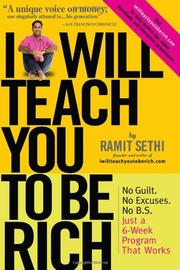
Note: Cover image via the Open Library Covers API. Rating is my own editorial score. Affiliate links are marked and support the site at no cost to you.
Publish reminder: set the featured image and meta description; confirm the /book-reviews/ category is assigned.
Categories
BOOK REVIEWS

The 50 Best Books for Freelancers & the Self-Employed

Twenty years in, I can tell you the fastest, cheapest mentor you will ever hire is a book. The right one takes someone else’s decade of expensive mistakes and hands it to you for the price of a coffee, or free on a trial.
This is the list I wish someone had handed me when I went self-employed: 50 books that actually move the needle for freelancers, solopreneurs and one-person businesses, sorted by the stage you are in and rated honestly.
Written by Alan Spicer — self-employment coach, YouTube Certified Expert and 20-year self-employed veteran who has coached 500+ people out of the safe-job trap. No paid placements here: every book is on the list because it earns its place, and each one now has its own full review.
⚡ Quick answer
The single best book for most people starting out is Atomic Habits for the behaviour side and The E-Myth Revisited for the business side. Do not try to read all fifty. Pick your stage below, take one book, and change one thing. The cheapest way to get through a stack of them is an Audible trial (a free credit) or Kindle Unlimited.
The smart way to read this list

Buying 50 books gets expensive fast. Most of the mindset and money titles here are made for listening on a walk or a drive. Start a free Audible trial, grab a credit, and your first audiobook costs nothing. Prefer reading? Kindle Unlimited members get thousands of titles on a flat monthly fee.

Mindset

Before tactics, before funnels, before a single invoice — the way you think decides whether any of the rest sticks. These are the books that shift how you see money, work and yourself.

Rich Dad Poor Dad by Robert T. Kiyosaki book cover

1. Rich Dad Poor Dad

Robert T. Kiyosaki

★★★★½4.4/5 · our rating

The book that rewires how you see a payslip. The assets-versus-liabilities lesson is simplistic and the stories are shaky, but nothing gets more people to question the safe-job script faster.

Best for: Anyone who still thinks a salary is the only safe money

Read the full Rich Dad Poor Dad review →

Atomic Habits by James Clear book cover

2. Atomic Habits

James Clear

★★★★★4.8/5 · our rating

The most usable habit book going. The 1% idea and habit-stacking actually hold up when your calendar is a mess and no one is making you do the work.

Best for: Building work routines that survive a chaotic week

Read the full Atomic Habits review →

The 7 Habits of Highly Effective People by Stephen R. Covey book cover

3. The 7 Habits of Highly Effective People

Stephen R. Covey

★★★★½4.6/5 · our rating

Old-fashioned in the best way. Begin with the end in mind and sharpen the saw still hold up decades on, long after flashier books have dated.

Best for: A principles foundation that outlasts trends

Read the full The 7 Habits of Highly Effective People review →

Mindset by Carol S. Dweck book cover

4. Mindset

Carol S. Dweck

★★★★½4.5/5 · our rating

Fixed versus growth sounds obvious until you notice yourself dodging sales calls because you are not a salesperson. This picks that habit apart.

Best for: Catching the stories that keep you small

Read the full Mindset review →

The War of Art by Steven Pressfield book cover

5. The War of Art

Steven Pressfield

★★★★½4.5/5 · our rating

A short, sharp read about why you stall. Pressfield names your excuses as Resistance and refuses to let you off the hook.

Best for: Anyone who keeps not doing the work

Read the full The War of Art review →

Think and Grow Rich by Napoleon Hill book cover

6. Think and Grow Rich

Napoleon Hill

★★★★½4.4/5 · our rating

Dated language and a couple of odd chapters, still worth it. The parts on desire, decision and persistence are the DNA of everything written since.

Best for: Understanding where every hustle book came from

Read the full Think and Grow Rich review →

The Slight Edge by Jeff Olson book cover

7. The Slight Edge

Jeff Olson

★★★★½4.4/5 · our rating

One idea over a whole book, but it is the right idea: small choices compound. Handy when the results have not shown up yet and you want to quit.

Best for: The early stretch when nothing seems to be working

Read the full The Slight Edge review →

Can't Hurt Me by David Goggins book cover

8. Can't Hurt Me

David Goggins

★★★★½4.7/5 · our rating

Not a business book, but the toughness one that sticks. Goggins is extreme; take the 40% rule and leave the ego on the shelf.

Best for: A hard mental reset when you are making excuses

Read the full Can't Hurt Me review →

Starting

The messy first stretch: proving an idea, getting the first client, deciding what you are actually building. These keep you from wasting a year on the wrong thing.

The Lean Startup by Eric Ries book cover

9. The Lean Startup

Eric Ries

★★★★½4.5/5 · our rating

Stops you building something nobody wants. The build-measure-learn loop is standard practice now for good reason, whether you are a team of one or fifty.

Best for: Testing an idea before you sink a year into it

Read the full The Lean Startup review →

The $100 Startup by Chris Guillebeau book cover

10. The $100 Startup

Chris Guillebeau

★★★★½4.5/5 · our rating

Fifty real cases of people who started tiny and made it pay. The antidote to thinking you need funding before you can begin.

Best for: Starting small without investors or an office

Read the full The $100 Startup review →

Company of One by Paul Jarvis book cover

11. Company of One

Paul Jarvis

★★★★½4.4/5 · our rating

Jarvis argues for staying small on purpose. If the word scale makes you wince, this is both the permission slip and the plan.

Best for: Anyone who has no interest in building an empire

Read the full Company of One review →

The E-Myth Revisited by Michael E. Gerber book cover

12. The E-Myth Revisited

Michael E. Gerber

★★★★½4.6/5 · our rating

Explains why most self-employed people end up owning their own worst boss. The work on it, not in it lesson is worth the whole book.

Best for: Freelancers who have built themselves a job, not a business

Read the full The E-Myth Revisited review →

Start with Why by Simon Sinek book cover

13. Start with Why

Simon Sinek

★★★★½4.5/5 · our rating

The why idea can tip into cult territory, but the core holds: people buy the reason before the thing. Useful when you blend into the crowd.

Best for: Standing out when your offer sounds like everyone else's

Read the full Start with Why review →

Will It Fly? by Pat Flynn book cover

14. Will It Fly?

Pat Flynn

★★★★½4.5/5 · our rating

Flynn walks you through testing a business idea properly. Practical, honest, and refreshingly free of get-rich energy.

Best for: Sense-checking an idea before you quit anything

Read the full Will It Fly? review →

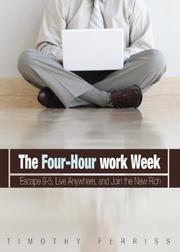
The 4-Hour Work Week by Timothy Ferriss book cover

15. The 4-Hour Work Week

Timothy Ferriss

★★★★½4.4/5 · our rating

Half of it has not aged well, half of it shifted how a generation thinks about work. Read it for the reframe, not the outsourcing tactics.

Best for: A mindset jolt about how work could look

Read the full The 4-Hour Work Week review →

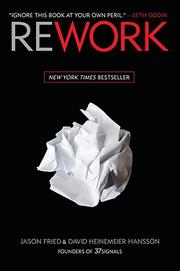
Rework by Jason Fried & David Heinemeier Hansson book cover

16. Rework

Jason Fried & David Heinemeier Hansson

★★★★½4.5/5 · our rating

Short, blunt and contrarian. The pair bin most received startup wisdom, which is a relief when you are running lean and solo.

Best for: Anyone sick of startup orthodoxy

Read the full Rework review →

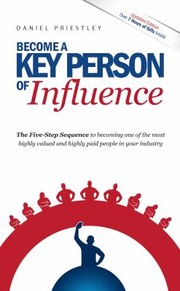
Key Person of Influence by Daniel Priestley book cover

17. Key Person of Influence

Daniel Priestley

★★★★½4.6/5 · our rating

Priestley's five-step route to being the name people think of first. The pitch, publish and product sections are the ones you will actually use.

Best for: Becoming the obvious choice in your niche

Read the full Key Person of Influence review →

Sales & Marketing

Nothing happens until something sells. These are the books that make selling feel less like begging and more like a system you can run on repeat.

$100M Offers by Alex Hormozi book cover

18. $100M Offers

Alex Hormozi

★★★★★4.8/5 · our rating

The offer book. The value equation turns your pricing conversation into a system instead of a nervous shrug. Dense and worth re-reading.

Best for: Fixing pricing that feels like a guess

Read the full $100M Offers review →

$100M Leads by Alex Hormozi book cover

19. $100M Leads

Alex Hormozi

★★★★½4.7/5 · our rating

The follow-up to Offers, and the natural next read. No filler, all mechanics for turning attention into leads. Bring a notepad.

Best for: Getting strangers to want what you sell

Read the full $100M Leads review →

Expert Secrets by Russell Brunson book cover

20. Expert Secrets

Russell Brunson

★★★★½4.6/5 · our rating

Salesy by design, but the section on building conviction in your audience is genuinely sharp. Read it with your marketer's hat on.

Best for: Building belief in an audience you want to sell to

Read the full Expert Secrets review →

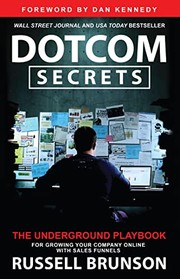
DotCom Secrets by Russell Brunson book cover

21. DotCom Secrets

Russell Brunson

★★★★½4.6/5 · our rating

The nuts and bolts of funnels. Pair it with Expert Secrets; this is the one that shows you the pipes.

Best for: The plumbing behind online funnels

Read the full DotCom Secrets review →

Building a StoryBrand by Donald Miller book cover

22. Building a StoryBrand

Donald Miller

★★★★½4.6/5 · our rating

Make the customer the hero, not your brand. The framework fixes wishy-washy copy fast; you will rewrite your homepage the same day.

Best for: Fixing a website that says nothing

Read the full Building a StoryBrand review →

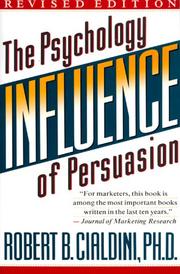
Influence by Robert B. Cialdini book cover

23. Influence

Robert B. Cialdini

★★★★½4.6/5 · our rating

Six principles of persuasion backed by real research rather than bro-science. Read it for your own selling and your own defence.

Best for: Selling better and spotting when you are being sold to

Read the full Influence review →

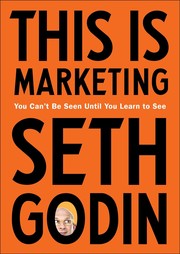
This Is Marketing by Seth Godin book cover

24. This Is Marketing

Seth Godin

★★★★½4.4/5 · our rating

Godin at his most useful: marketing as service to the smallest viable audience. A calmer, kinder way to sell that still works.

Best for: Marketing without shouting louder

Read the full This Is Marketing review →

Oversubscribed by Daniel Priestley book cover

25. Oversubscribed

Daniel Priestley

★★★★½4.6/5 · our rating

Priestley on engineering demand so people queue for you. The best of his books for a service business that lives feast to famine.

Best for: Building a waiting list instead of a cashflow panic

Read the full Oversubscribed review →

Day Trading AttentionGary Vaynerchuk

26. Day Trading Attention

Gary Vaynerchuk

★★★★½4.5/5 · our rating

Vaynerchuk's current playbook for attention. Skip the hype and keep the platform-by-platform breakdowns, which are the useful part.

Best for: Organic reach across today's platforms

Read the full Day Trading Attention review →

Money

Earning it is one thing; keeping it, pricing it and negotiating for it is another. These sort out the side of self-employment that quietly sinks most people.

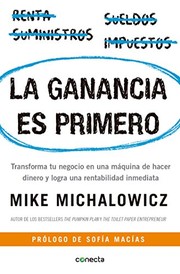
Profit First by Mike Michalowicz book cover

27. Profit First

Mike Michalowicz

★★★★½4.6/5 · our rating

The accounting habit that finally sticks. The system is simple enough to actually run, and it makes you pay yourself before the business eats everything.

Best for: Ending the feast-and-famine cashflow cycle

Read the full Profit First review →

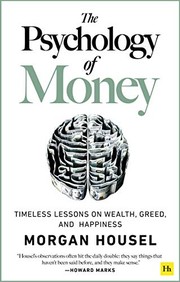
The Psychology of Money by Morgan Housel book cover

28. The Psychology of Money

Morgan Housel

★★★★½4.7/5 · our rating

A money book about behaviour, not spreadsheets. The short chapters are the ones you end up quoting to friends for years.

Best for: Anyone whose money problems are really behaviour problems

Read the full The Psychology of Money review →

The 10X Rule by Grant Cardone book cover

29. The 10X Rule

Grant Cardone

★★★★½4.5/5 · our rating

Cardone is a lot. Under the volume is a real point about massive action and setting targets you would normally be too scared to say out loud.

Best for: A kick when you keep sandbagging your own targets

Read the full The 10X Rule review →

Money by Rob Moore book cover

30. Money

Rob Moore

★★★★½4.5/5 · our rating

Moore's blunt, British spin on making money. Occasionally over the top, but grounded and practical where a lot of the genre floats off.

Best for: A UK take on wealth without the American gloss

Read the full Money review →

I Will Teach You to Be Rich by Ramit Sethi book cover

31. I Will Teach You to Be Rich

Ramit Sethi

★★★★½4.6/5 · our rating

A system for putting your finances on autopilot. The chapters aimed at the self-employed and freelancers alone earn it a place.

Best for: Automating your money so you stop thinking about it

Read the full I Will Teach You to Be Rich review →

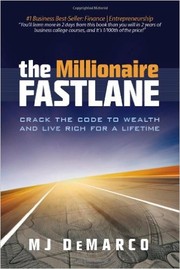
The Millionaire Fastlane by MJ DeMarco book cover

32. The Millionaire Fastlane

MJ DeMarco

★★★★½4.6/5 · our rating

DeMarco tears into save-for-40-years advice and argues for building something that scales past your hours. Ranty, but it lands.

Best for: Anyone tired of slow-lane get-rich-eventually advice

Read the full The Millionaire Fastlane review →

Never Split the Difference by Chris Voss book cover

33. Never Split the Difference

Chris Voss

★★★★½4.7/5 · our rating

FBI hostage tactics turned into everyday negotiation. Your conversations about rates and scope will not be the same afterwards.

Best for: Day-rate and contract conversations

Read the full Never Split the Difference review →

The Richest Man in Babylon by George S. Clason book cover

34. The Richest Man in Babylon

George S. Clason

★★★★½4.6/5 · our rating

Ancient parables, timeless rules. Pay yourself first, in about ninety pages. The book to hand your younger self.

Best for: The money basics, in an afternoon

Read the full The Richest Man in Babylon review →

Productivity

You are the whole team, so your attention is the bottleneck. These help you protect it, aim it and stop being busy for the sake of it.

Deep Work by Cal Newport book cover

35. Deep Work

Cal Newport

★★★★½4.6/5 · our rating

The case for focus in a distracted world. If the work that actually pays keeps getting shoved to the edges of your day, start here.

Best for: When admin and notifications eat your best hours

Read the full Deep Work review →

Four Thousand Weeks by Oliver Burkeman book cover

36. Four Thousand Weeks

Oliver Burkeman

★★★★½4.5/5 · our rating

Burkeman kills the productivity fantasy and it is a relief. You will never finish everything, so you choose what matters. Oddly freeing.

Best for: Anyone drowning in their own to-do list

Read the full Four Thousand Weeks review →

ADHD 2.0 by Edward M. Hallowell & John J. Ratey book cover

37. ADHD 2.0

Edward M. Hallowell & John J. Ratey

★★★★½4.5/5 · our rating

If your head does not work like the productivity gurus assume, this explains the wiring and gives you tools that actually suit it.

Best for: Working with a brain that runs differently

Read the full ADHD 2.0 review →

Getting Things Done by David Allen book cover

38. Getting Things Done

David Allen

★★★★½4.5/5 · our rating

The original capture-everything system. Fiddly to set up, but the calm head it gives you is real once you are running several jobs at once.

Best for: Juggling many clients without dropping anything

Read the full Getting Things Done review →

Essentialism by Greg McKeown book cover

39. Essentialism

Greg McKeown

★★★★½4.6/5 · our rating

The disciplined pursuit of less. The book to read when you are run off your feet and still cannot see why the money is not moving.

Best for: The busy-but-broke trap

Read the full Essentialism review →

The One Thing by Gary Keller & Jay Papasan book cover

40. The One Thing

Gary Keller & Jay Papasan

★★★★½4.6/5 · our rating

One focusing question that trims your to-do list to what actually matters. Simple, repeatable, and it works when you use it.

Best for: Cutting a long list down to what moves the needle

Read the full The One Thing review →

Eat That Frog! by Brian Tracy book cover

41. Eat That Frog!

Brian Tracy

★★★★½4.5/5 · our rating

Do the worst task first. That is the book, and it works. Twenty short chapters you can put to use before lunch.

Best for: Chronic procrastinators who want a quick win

Read the full Eat That Frog! review →

Make Time by Jake Knapp & John Zeratsky book cover

42. Make Time

Jake Knapp & John Zeratsky

★★★★½4.4/5 · our rating

Two ex-Google designers on building your day around a single priority. Lighter than Deep Work and easier to start today.

Best for: An easier on-ramp than Deep Work

Read the full Make Time review →

Scaling

The point where the business has to work without you doing every job. Delegation, systems and the harder decisions that come with growing past yourself.

The 48 Laws of Power by Robert Greene book cover

43. The 48 Laws of Power

Robert Greene

★★★★½4.5/5 · our rating

Cynical, amoral and uncomfortable, and worth reading with your eyes open. Greene shows you the power games happening whether you play or not.

Best for: Anyone who wants to see the games being played

Read the full The 48 Laws of Power review →

Traction by Gino Wickman book cover

44. Traction

Gino Wickman

★★★★½4.6/5 · our rating

The EOS system for getting a business out of your head and onto rails. The read for when it is time to stop being the only cog.

Best for: The jump from solo operator to owner

Read the full Traction review →

Who Not How by Dan Sullivan & Benjamin Hardy book cover

45. Who Not How

Dan Sullivan & Benjamin Hardy

★★★★½4.5/5 · our rating

Stop asking how to do it all and start asking who could. A simple swap that finally makes delegation feel possible.

Best for: Anyone who insists on doing everything themselves

Read the full Who Not How review →

Buy Back Your Time by Dan Martell book cover

46. Buy Back Your Time

Dan Martell

★★★★½4.6/5 · our rating

A practical guide to hiring and delegating so your calendar stops running you. Aimed squarely at the one-person business that has outgrown one person.

Best for: Freelancers drowning in their own success

Read the full Buy Back Your Time review →

The Almanack of Naval Ravikant by Eric Jorgenson book cover

47. The Almanack of Naval Ravikant

Eric Jorgenson

★★★★½4.7/5 · our rating

A free-flowing collection on wealth and happiness. Not a system, but the one you will come back to and mark up for years. Free as an ebook, too.

Best for: A highlighter-friendly reread on wealth and calm

Read the full The Almanack of Naval Ravikant review →

Zero to One by Peter Thiel & Blake Masters book cover

48. Zero to One

Peter Thiel & Blake Masters

★★★★½4.5/5 · our rating

Thiel on making something genuinely new rather than copying. Contrarian and quotable, and a good corrective when you are about to build another clone.

Best for: Anyone building a me-too business

Read the full Zero to One review →

Good to Great by Jim Collins book cover

49. Good to Great

Jim Collins

★★★★½4.5/5 · our rating

Collins' research on the jump from good to great. Level 5 leadership and the hedgehog concept still get quoted decades later for a reason.

Best for: Understanding why some businesses leap and others stall

Read the full Good to Great review →

The Hard Thing About Hard Things by Ben Horowitz book cover

50. The Hard Thing About Hard Things

Ben Horowitz

★★★★½4.6/5 · our rating

Horowitz on the parts of running something that no one prepares you for. Honest about the mess, which most business books are not.

Best for: The messy realities nobody warns you about

Read the full The Hard Thing About Hard Things review →

Audiobook vs Kindle vs paperback: which format for which book

Format matters more than people think. Here is the rule I use.

Format Best for Cheapest route
Audiobook Mindset, money and story-led books you absorb passively while walking, driving or at the gym. Audible free trial (free credit)
Kindle Tactical, framework-heavy books you want to highlight and search later. Kindle Unlimited (flat monthly)
Paperback Workbook-style reads you will dog-ear, annotate and lend out. Buy per book
My system: I listen to one book on the morning dog walk and keep one tactical book on the Kindle for evenings. Two books on the go, zero extra time carved out of the day.

If you are here, read these: reading stacks by situation

Still in the day job, itching to leave: Rich Dad Poor Dad, The War of Art, Company of One.
Just started, skint, need clients: $100M Offers, The E-Myth Revisited, Building a StoryBrand.
Working differently (ADHD or scattered): ADHD 2.0, The One Thing, Four Thousand Weeks.
Busy but stuck at a ceiling: Who Not How, Buy Back Your Time, Profit First.
Reading is the shortcut. Coaching is the accelerator.

A book compresses someone’s twenty years into a weekend. It still cannot make the calls for your exact situation. If you want a second pair of eyes on yours, book a free discovery call.

Book a free discovery call

People also ask

What is the best book for someone going self-employed?

For the mindset, Atomic Habits. For the business itself, The E-Myth Revisited, which explains why so many self-employed people accidentally build themselves a worse boss.

Which business book has the best return for the time?

$100M Offers by Alex Hormozi. It is short, dense and directly changes how you price and package what you sell, which usually pays for itself fast.

Are audiobooks as good as reading for business books?

For mindset, story and money books, yes, often better because you get through them. For heavy tactical books you want to annotate, a Kindle or paperback wins.

Frequently asked questions

How many of these books should I actually read?

You do not need all fifty. Pick one from the stage you are in right now, finish it, and change one thing you do because of it. One book that shifts your behaviour beats ten you skimmed. If you want a route, start with the five in the reading-path table below.

Is it cheaper to buy the books or use a subscription?

For most people a subscription wins. An Audible trial gives you a free audiobook credit, and Kindle Unlimited lets members read thousands of titles for a flat monthly fee. If you read or listen to more than one business book a month, a trial or subscription usually costs less than buying them one by one.

Audiobook, Kindle or paperback for this kind of book?

Narrative and mindset books (Can't Hurt Me, The Psychology of Money) work brilliantly on audio while you walk or drive. Tactical, framework-heavy books you will scribble in (Building a StoryBrand, $100M Offers) are better on Kindle or paperback so you can flick back. There is a format note on each pick to help you choose.

Are these not just the same recycled business books everyone lists?

Some are famous for a reason and they earn their place. But this list keeps the honest, uncomfortable and UK picks that sanitised lists drop, and every entry has a plain reason it is here and who it is for, rather than a copied blurb.

I have no time to read. What is the point?

That is exactly who audiobooks are for. A dog walk, the gym, the school run, the commute: that is a chapter a day without sitting down. Most of the mindset and money books on here are made for listening.

Can a book really help me go self-employed?

A book compresses someone else's twenty years into a weekend, which is a genuine shortcut. What it cannot do is make the decisions for your situation. That is the gap coaching fills, and there is a link near the end if you want a hand with the specifics.

Final thoughts

Do not treat this as a to-read list of fifty. Treat it as a shelf you dip into depending on where you are stuck. One book, read properly and acted on, is worth more than a shelf of half-finished ones you bought to feel productive.
Pick your stage. Take one book. Change one thing. Then come back for the next.

Ready to stop reading about it and start doing it?

Twenty years of self-employment, 500+ people coached. Bring me where you are stuck and we will map the next move on a free call.

Book your free discovery call

Notes & sources: Book cover images via the Open Library Covers API. Ratings shown are our own editorial review scores, informed by broad reader reception; individual review posts carry the full rating breakdown. Affiliate links are marked and support the site at no extra cost to you.

Reminder for publish: set datePublished/dateModified in the schema, set the meta description, add the featured image, and run the Rich Results Test. If you moved this URL into the Book Reviews category, add a 301 from the old path.