

A 7 Habits of Highly Effective People review and summary: why Covey's slow-burn classic still beats most modern productivity books on substance.
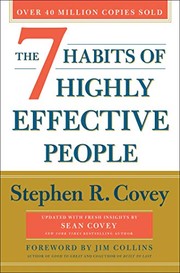
★★★★½4.6/5
The verdict: Dated on the surface, timeless underneath.
🎧 Listen free on Audible
Try Kindle Unlimited
Buy the paperback
What is The 7 Habits of Highly Effective People about?
Covey builds from private victory (be proactive, begin with the end in mind, put first things first) to public victory (win-win, seek first to understand, synergise) and finishes with renewal (sharpen the saw). It is a principles book, not a hacks book.
The 7 Habits of Highly Effective People summary
Covey organises the book as a progression, not a checklist. The first three habits cover what he calls private victory, the work you do on yourself. Be proactive, which means owning your responses and focusing on what you can influence. Begin with the end in mind, which means defining success before you chase it. And put first things first, using his famous matrix to protect what is important from the tyranny of what is merely urgent.
The next three habits move to public victory, how you work with others. Think win-win rather than treating every deal as one winner and one loser. Seek first to understand, then to be understood, which is really just listening properly before you make your case. And synergise, where good collaboration produces more than the sum of its parts.
The seventh habit, sharpen the saw, wraps around all of them: renew yourself physically, mentally, socially and spiritually, or the other six degrade over time. It is a book about character and principles rather than quick wins, which is its weakness for impatient readers and its strength for anyone who wants something that lasts.
First published in 1989, it has sold tens of millions of copies and shaped decades of leadership training. It is aimed at people who want a durable framework for effectiveness rather than a bag of tricks, and it rewards patience in a way few modern books ask for.
Key ideas and takeaways
- Circle of influence. Spend your energy on what you can affect and stop bleeding it on what you cannot. For the self-employed, worry is a daily tax and this is the cure.
- Begin with the end in mind. Decide what the finished thing looks like before you start moving.
- The time-management matrix. Urgent and important are not the same. Most people drown in urgent and neglect important.
- Sharpen the saw. Maintain the person doing the work, or the work degrades.
My honest take
I resisted this for years because it looked like corporate-training wallpaper. I was wrong. The circle of influence idea alone is worth the whole book for anyone self-employed, where it is easy to spend all day worrying about clients, algorithms and the economy, none of which you control on a Tuesday afternoon.
It reads slower than modern books and you have to mine it a little, but the substance underneath is deeper than most of what has followed. This is a book you keep and reread at different stages, getting something new each time.
For someone self-employed, the win-win habit quietly reshapes how you price and negotiate. Once you stop treating every client conversation as a fight to win, you strike better deals and keep clients longer. That one shift has probably earned me more than any tactic in a flashier book.
Where it falls short
- The writing is dense and dated, and you have to work to extract the value.
- It is pitched at a corporate and family audience, so you translate some of it to a solo context yourself.
How it compares
Where most productivity books hand you tactics, Covey hands you the principles sitting underneath them. Pair it with The One Thing if you want the sharp, practical counterpart to Covey's slower, deeper approach.
Who should read it (and who should skip it)
Anyone who wants principles that outlast trends. Skip it if you want a quick tactical hit today.
How to actually use it if you are self-employed
- Draw your circle of influence and consciously drop one worry that sits outside it.
- Write a one-line mission for your business you can actually remember.
- Block a weekly slot for important-but-not-urgent work before the urgent floods in.
- Own your responses; work your circle of influence.
- Protect important-but-not-urgent work every week.
- Renew yourself or the good habits decay.
Twenty years self-employed, 500+ people coached. If you want help applying this to your own situation, book a free discovery call.
Frequently asked questions
Is it still relevant?
More than most books its age. The principles are about human behaviour, which has not changed, even if the examples have.
Which habit matters most for the self-employed?
The circle of influence idea inside be proactive. It stops you wasting energy on things you cannot change.
Is it a hard read?
Slower than modern books, yes. Treat it as a mine, not a sprint, and it pays out.
Is a summary enough, or do I need the full book?
The matrix and the circle of influence you can grasp from a summary, but the depth on character rewards the full read.
Where should a beginner start?
Habits one to three. Get proactive, define your end goal, and protect your priorities first.
Final verdict
The 7 Habits of Highly Effective People earns 4.6/5. Dated on the surface, timeless underneath. If it is the stage you are at, the cheapest way in is a free Audible trial or Kindle Unlimited.
Publish reminder: set the featured image and meta description; confirm the /book-reviews/ category is assigned.
Discover more from Alan Spicer - YouTube Certified Expert
Subscribe to get the latest posts sent to your email.


