Categories
BOOK REVIEWS

The One Thing Review and Summary

A The One Thing review and summary: Gary Keller's simple focusing question for getting more done by doing less.

The One Thing by Gary Keller & Jay Papasan book cover

★★★★½4.6/5

The verdict: One focusing question that cuts a long list down to what matters.

🎧 Listen free on Audible
Try Kindle Unlimited
Buy the paperback

⚡ Quick answerThe One Thing by Gary Keller & Jay Papasan gets 4.6/5 from me. One focusing question that cuts a long list down to what matters. Anyone whose to-do list feels endless and equally urgent.

What is The One Thing about?

Keller and Papasan argue that success comes from focusing on one thing at a time rather than juggling many. Their focusing question helps you identify the single most important task that makes everything else easier or unnecessary.

The One Thing summary

The book's argument is that extraordinary results come from narrowing your focus, not widening it. Trying to do many things at once spreads your energy thin; putting it all behind one priority is what creates momentum.

The centrepiece is the focusing question: what is the one thing I can do such that by doing it everything else becomes easier or unnecessary? Applied to your life, year, month, day and even the next hour, it forces you to find the single most leveraged action and do that first. The authors debunk common myths, that everything matters equally, that multitasking works, that discipline and willpower are limitless, and argue for time-blocking your one thing early each day before the world crowds in.

It is a simple idea, repeated and applied across different areas, with practical advice on protecting the time to act on it. Like several productivity books, its power is in the discipline of applying one clear question relentlessly.

Published in 2013, it became a bestseller on focus and prioritisation, drawing on Keller's experience building a large business. It is aimed at anyone spread across too many tasks who wants a simple way to prioritise.

The one idea worth the price: Ask what is the one thing I can do such that everything else becomes easier or unnecessary, then do that first.

Key ideas and takeaways

  • The focusing question. One question that finds your most leveraged action.
  • Say no to multitasking. Doing many things at once does all of them worse.
  • Time-block the one thing. Protect time for your priority before the day fills up.
  • Dominoes. The right one thing knocks over everything behind it.

My honest take

This is the sharpest, simplest focusing tool on the list. Where Essentialism gives you a whole philosophy, The One Thing hands you a single question you can use in the moment, and that question is genuinely useful. Ask it of your week and your day, and the fog of a long to-do list clears fast.

For the self-employed, drowning in tasks that all feel urgent, the discipline of identifying the one action that makes the rest easier is worth a great deal. The idea of time-blocking that one thing first thing, before email and everyone else's priorities arrive, is a simple habit with a big payoff. The book is repetitive, but the core question is one I use constantly.

It covers similar ground to Essentialism and Deep Work, so if you have read those, some will feel familiar. But the focusing question is distinct and portable enough that it earns its place even alongside them.

The honest caveat: It is padded around one idea and strays into life-coaching territory in places. Take the focusing question and the time-blocking habit; skim the rest.

Where it falls short

  • One strong idea stretched to book length.
  • Wanders into broader life-advice territory that dilutes the sharp core.

How it compares

Essentialism is the philosophy of doing less; The One Thing is the single practical question that puts it to work each day. Read The One Thing for the tool and Essentialism for the wider discipline.

Who should read it (and who should skip it)

Anyone whose to-do list feels endless and equally urgent. Skip it if you already work from a single clear priority each day.

Best format: Audio or Kindle; the idea is simple enough to absorb in either.

How to actually use it if you are self-employed

  • Ask the focusing question of your week and pick the single most leveraged task.
  • Time-block that task first thing tomorrow, before email.
  • Repeat the question daily until it becomes a habit.
⚡ The 60-second recap

  • Focus on one leveraged thing, not many.
  • Time-block it before the day fills.
  • Multitasking does everything worse.
A book is a shortcut. A second pair of eyes is faster.

Twenty years self-employed, 500+ people coached. If you want help applying this to your own situation, book a free discovery call.

Book a free discovery call

Frequently asked questions

What is the focusing question?

What is the one thing I can do such that by doing it everything else becomes easier or unnecessary?

Is it just about to-do lists?

It is about prioritisation and focus more broadly, applied from your day right up to your life goals.

Who is it for?

Anyone overwhelmed by tasks that all feel equally urgent and wanting a simple way to prioritise.

Is it similar to Essentialism?

Yes, same territory. The One Thing is a sharper single tool; Essentialism is the broader philosophy.

Is it repetitive?

Somewhat. The core question is simple and the book stretches around it, so you can move quickly.

Final verdict

The One Thing earns 4.6/5. One focusing question that cuts a long list down to what matters. If it is the stage you are at, the cheapest way in is a free Audible trial or Kindle Unlimited.

Disclosure: Some links in this article are affiliate links. If you buy through them I may earn a small commission, at no extra cost to you. Star ratings are my own editorial scores.
Categories
BOOK REVIEWS

Essentialism Review and Summary

An Essentialism review and summary: Greg McKeown on doing less but better by focusing only on what truly matters.

Essentialism by Greg McKeown book cover

★★★★½4.6/5

The verdict: The disciplined pursuit of less, for anyone busy and going nowhere.

🎧 Listen free on Audible
Try Kindle Unlimited
Buy the paperback

⚡ Quick answerEssentialism by Greg McKeown gets 4.6/5 from me. The disciplined pursuit of less, for anyone busy and going nowhere. Capable people who are busy, stretched and stuck because they have said yes to too much.

What is Essentialism about?

McKeown argues that we spread ourselves thin trying to do everything, and that the answer is essentialism: the disciplined pursuit of less. By focusing only on what truly matters and cutting the rest, you achieve more of importance.

Essentialism summary

McKeown's premise is that being busy is not the same as being productive, and that trying to do it all leaves you stretched, exhausted and making no real progress. The essentialist takes a different path: do less, but do the right things, and do them well.

He frames it as a discipline with three parts. First, explore and evaluate: consider many options but be highly selective, asking what is truly essential and treating almost everything else as noise. Second, eliminate: cut the non-essential ruthlessly, which means learning to say no gracefully and stop committing out of guilt or habit. Third, execute: build systems and buffers so that doing the essential things becomes easier and more consistent.

A recurring idea is that if it is not a clear yes, it is a no. The book is practical and repeats its message deliberately, aimed at capable people who have said yes to too much and lost focus on what matters.

Published in 2014, it became a bestseller on focus and doing less in an overcommitted world. It is aimed at capable, busy people who have taken on too much and lost sight of what matters.

The one idea worth the price: If it is not a clear yes, it is a no. Do less, but do the right things properly, and stop spreading yourself thin.

Key ideas and takeaways

  • Less but better. Focus on the vital few, not the trivial many.
  • The power of no. Saying no to the non-essential protects the essential.
  • If it is not a clear yes. Ambivalence about a commitment means decline it.
  • Design for the essential. Build systems and buffers so the right things get done.

My honest take

This is the book for the person who is busy all the time and cannot understand why they are not getting anywhere, which describes a lot of self-employed people. McKeown's argument, that spreading yourself across everything guarantees you do nothing well, is uncomfortable and correct.

The most useful, and hardest, lesson is saying no. When you are self-employed, every opportunity feels like one you cannot afford to turn down, so you say yes to too much and your focus shatters. Essentialism gives you both the permission and the framework to decline, so your energy goes to the few things that actually matter. It repeats itself, but the message is one most of us need drummed in.

It pairs naturally with The One Thing and Four Thousand Weeks, all three circling the same truth from different angles: your power is in focus and subtraction, not in doing more. Of the three, Essentialism is the most complete as a practical philosophy.

The honest caveat: It is repetitive, making the same point in several ways, and light on how to apply it when you genuinely cannot drop obligations. Take the principle and adapt it to real constraints.

Where it falls short

  • Repetitive, circling one core idea for a whole book.
  • Easier to preach than to practise when you have obligations you cannot simply cut.

How it compares

The One Thing narrows you to a single priority; Essentialism gives you the broader discipline of cutting everything non-essential. Read Essentialism for the philosophy and The One Thing for the sharp focusing tool.

Who should read it (and who should skip it)

Capable people who are busy, stretched and stuck because they have said yes to too much. Skip it if you already focus ruthlessly on a few priorities.

Best format: Audio or Kindle; the message carries well either way.

How to actually use it if you are self-employed

  • Apply the clear-yes test to your next three requests and decline the maybes.
  • Identify the one or two things that matter most and protect time for them.
  • Practise saying no gracefully to one commitment this week.
⚡ The 60-second recap

  • Do less, but better.
  • Say no to protect the essential.
  • If it is not a clear yes, it is a no.
A book is a shortcut. A second pair of eyes is faster.

Twenty years self-employed, 500+ people coached. If you want help applying this to your own situation, book a free discovery call.

Book a free discovery call

Frequently asked questions

What is essentialism?

The disciplined pursuit of less: focusing only on what truly matters and cutting the rest, so you do fewer things better.

Is it just about saying no?

Saying no is central, but it also covers how to identify the essential and build systems to protect it.

Who is it for?

Busy, capable people who are stretched thin and not making progress on what matters.

Is it repetitive?

Somewhat, yes. It makes its point in several ways, which reinforces it but can feel padded.

How is it different from The One Thing?

The One Thing narrows you to a single priority; Essentialism is the wider discipline of cutting the non-essential.

Final verdict

Essentialism earns 4.6/5. The disciplined pursuit of less, for anyone busy and going nowhere. If it is the stage you are at, the cheapest way in is a free Audible trial or Kindle Unlimited.

Disclosure: Some links in this article are affiliate links. If you buy through them I may earn a small commission, at no extra cost to you. Star ratings are my own editorial scores.
Categories
BOOK REVIEWS

Getting Things Done Review and Summary

A Getting Things Done review and summary: David Allen's classic system for clearing your head and staying on top of everything.

Getting Things Done by David Allen book cover

★★★★½4.5/5

The verdict: The original capture-everything system, fiddly to set up but powerful once running.

🎧 Listen free on Audible
Try Kindle Unlimited
Buy the paperback

⚡ Quick answerGetting Things Done by David Allen gets 4.5/5 from me. The original capture-everything system, fiddly to set up but powerful once running. Anyone juggling many commitments who keeps dropping things or feeling overwhelmed.

What is Getting Things Done about?

Allen's GTD system is built on one idea: your mind is for having ideas, not holding them. By capturing every task and commitment into a trusted external system, you free your head and stop things falling through the cracks.

Getting Things Done summary

Allen's core insight is that trying to keep everything in your head is both stressful and unreliable. His system is a method for getting all of it out of your head and into a trusted external setup, so your mind is free to focus rather than nag.

The method has five stages: capture everything that has your attention, clarify what each item actually is and whether it needs action, organise it into the right lists and places, reflect by reviewing regularly, and engage by simply doing. Along the way he introduces well-known ideas: the two-minute rule, do it now if it takes under two minutes; the next-action habit, always define the very next physical step; and the weekly review that keeps the whole system trustworthy.

It is a comprehensive, somewhat fiddly system, and setting it up takes real effort. But the payoff, what Allen calls a mind like water, a calm, clear head because nothing is being held in memory, is real once it is running. Many people adopt parts of it rather than the whole.

First published in 2001 and revised since, it became one of the most influential productivity books ever and spawned a devoted following. It is aimed at anyone overwhelmed by commitments who wants a reliable system to manage them.

The one idea worth the price: Your head is for having ideas, not holding them. Get everything into a trusted system and your mind clears.

Key ideas and takeaways

  • Capture everything. Get every task and idea out of your head into a trusted system.
  • Next action. Always define the very next physical step, not a vague goal.
  • The two-minute rule. If it takes under two minutes, do it now.
  • The weekly review. Regularly review so the system stays trustworthy.

My honest take

This is the granddaddy of task-management systems, and even if you never adopt the whole thing, a few of its ideas will change how you work. The next-action habit alone, always asking what is the very next physical step, cuts through the vague, stuck feeling of a big to-do list.

For the self-employed, who juggle many clients and commitments with no one else tracking them, the value is real: a trusted system means nothing gets dropped and your head stays clear. The honest catch is that full GTD is fiddly to set up and maintain, and plenty of people bounce off the complexity. My advice is to steal the best bits, capture everything, define next actions, do a weekly review, rather than treat it as all or nothing.

It predates most modern apps, so the specific tools feel dated, but the thinking underneath has aged well and quietly influences almost every task manager you use today. Read it for the principles, then apply them with whatever tools you like.

The honest caveat: The full system is complex and high-maintenance, and many people abandon it. The tool references are dated. Take the core habits rather than forcing the whole method.

Where it falls short

  • The complete system is fiddly and hard to maintain long term.
  • Written before modern apps, so the specific tools and examples feel dated.

How it compares

Deep Work is about protecting focus; Getting Things Done is about capturing and organising everything so nothing is lost. Use GTD to clear the decks and Deep Work to spend the cleared time well.

Who should read it (and who should skip it)

Anyone juggling many commitments who keeps dropping things or feeling overwhelmed. Skip it if you already have a task system that works for you.

Best format: Kindle or paper, because you will want to reference the workflow as you set it up.

How to actually use it if you are self-employed

  • Do a full brain-dump of every task and commitment into one list.
  • For each item, write the very next physical action.
  • Book a recurring weekly review to keep the system alive.
⚡ The 60-second recap

  • Get everything out of your head into a system.
  • Define the next physical action for everything.
  • Review weekly to keep it trustworthy.
A book is a shortcut. A second pair of eyes is faster.

Twenty years self-employed, 500+ people coached. If you want help applying this to your own situation, book a free discovery call.

Book a free discovery call

Frequently asked questions

What does GTD stand for?

Getting Things Done, the name of David Allen's system for capturing and organising all your commitments.

Is it hard to set up?

The full system takes real effort to set up and maintain. Many people adopt parts of it rather than the whole.

What is the next-action habit?

Always defining the very next physical step for any task, rather than leaving it as a vague goal.

Is it dated?

The tool references are, but the underlying principles have aged well and influence most modern task apps.

Do I need special software?

No. The method works on paper or in any app. It is about the process, not the tool.

Final verdict

Getting Things Done earns 4.5/5. The original capture-everything system, fiddly to set up but powerful once running. If it is the stage you are at, the cheapest way in is a free Audible trial or Kindle Unlimited.

Disclosure: Some links in this article are affiliate links. If you buy through them I may earn a small commission, at no extra cost to you. Star ratings are my own editorial scores.
Categories
BOOK REVIEWS

ADHD 2.0 Review and Summary

An ADHD 2.0 review and summary: two experts, both with ADHD themselves, on understanding and working with the ADHD brain.

ADHD 2.0 by Edward M. Hallowell & John J. Ratey book cover

★★★★½4.5/5

The verdict: A clear, compassionate guide to a brain that works differently.

🎧 Listen free on Audible
Try Kindle Unlimited
Buy the paperback

⚡ Quick answerADHD 2.0 by Edward M. Hallowell & John J. Ratey gets 4.5/5 from me. A clear, compassionate guide to a brain that works differently. People with ADHD, or who suspect it, and those close to them, especially the many self-employed who work differently.

What is ADHD 2.0 about?

Hallowell and Ratey, both psychiatrists who have ADHD themselves, give an up-to-date, compassionate account of how the ADHD brain works and practical strategies for managing it, drawing on recent research and their own experience.

ADHD 2.0 summary

The book reframes ADHD not as a simple deficit but as a different way the brain is wired, with real challenges and genuine strengths. The authors, who both have ADHD, write with warmth and first-hand understanding rather than clinical distance.

They explain the current science, including the roles of two brain networks and how they can misfire in ADHD, and introduce ideas like the negativity and harsh self-criticism that often come with it. The bulk of the book is practical: strategies around exercise, sleep, nutrition, structure and environment, the value of the right kind of stimulation, medication and when it helps, and building a life and work setup that plays to ADHD strengths rather than fighting them.

It is short, readable and non-judgemental, aimed at people with ADHD and those close to them. For the many self-employed people who work differently, it offers both explanation and a toolkit.

Published in 2021, it is an updated take on ADHD from two long-standing experts in the field who have the condition themselves. It is aimed at adults with ADHD and the people around them who want understanding and practical help.

The one idea worth the price: ADHD is a different wiring, not a character flaw. Build your work and life around how your brain actually works, rather than fighting it.

Key ideas and takeaways

  • Difference, not deficit. ADHD brings genuine strengths alongside real challenges.
  • Structure helps. External systems and environment do the work willpower cannot.
  • Body affects brain. Exercise, sleep and nutrition matter more than most realise.
  • Play to strengths. Design work that suits your wiring rather than fighting it.

My honest take

This is not a business book, but it earns its place because so many self-employed people work differently, and this explains why with compassion rather than judgement. Written by two psychiatrists who have ADHD themselves, it avoids both the doom and the hype and simply helps you understand your own wiring.

The practical strategies are the valuable part, and many suit the self-employed well: building external structure, using the right environment, leaning into the kind of stimulating work that ADHD brains do brilliantly. If you have ever wondered why standard productivity advice does not work for you, this is a gentle, useful place to start. Worth saying plainly: it is a guide, not a diagnosis, and a qualified professional is the person for that.

What sets it apart is the tone. It is hopeful without being naive, honest about the difficulties without being bleak, and it treats the reader as capable rather than broken. For anyone recently making sense of how their brain works, that matters.

The honest caveat: It is an accessible overview rather than a deep clinical text, so specialists or those wanting depth may find it light. It informs, but it is no substitute for a professional assessment.

Where it falls short

  • Accessible rather than in-depth, so it may feel light to those wanting the full science.
  • As a general guide, it is no replacement for a proper professional assessment.

How it compares

Where most productivity books assume a neurotypical brain, ADHD 2.0 is written for one that works differently. Pair it with Atomic Habits, using its systems in the ADHD-friendly ways this book suggests.

Who should read it (and who should skip it)

People with ADHD, or who suspect it, and those close to them, especially the many self-employed who work differently. Skip it if you want a deep clinical text rather than a practical guide.

Best format: Audio or Kindle; it is short and accessible in any format.

How to actually use it if you are self-employed

  • Build one external structure, a list, alarm or routine, to carry what willpower does not.
  • Add regular exercise, which the book links strongly to focus.
  • Design your work around stimulating tasks you naturally engage with.
⚡ The 60-second recap

  • ADHD is different wiring, with strengths as well as struggles.
  • Use structure and environment to do what willpower cannot.
  • Look after the body to help the brain.
A book is a shortcut. A second pair of eyes is faster.

Twenty years self-employed, 500+ people coached. If you want help applying this to your own situation, book a free discovery call.

Book a free discovery call

Frequently asked questions

Is it a business or productivity book?

Neither exactly, but its strategies are highly relevant to the many self-employed people who have ADHD or work differently.

Who wrote it?

Two psychiatrists, Hallowell and Ratey, who both have ADHD themselves, which gives it first-hand understanding.

Can it diagnose me?

No. It helps you understand and manage ADHD, but a proper diagnosis needs a qualified professional.

Is it up to date?

Yes, it reflects more recent research than the authors' earlier work.

Is it useful for partners or family?

Yes. It is written to help both people with ADHD and those close to them.

Final verdict

ADHD 2.0 earns 4.5/5. A clear, compassionate guide to a brain that works differently. If it is the stage you are at, the cheapest way in is a free Audible trial or Kindle Unlimited.

Disclosure: Some links in this article are affiliate links. If you buy through them I may earn a small commission, at no extra cost to you. Star ratings are my own editorial scores.
Categories
BOOK REVIEWS

Four Thousand Weeks Review and Summary

A Four Thousand Weeks review and summary: Oliver Burkeman on making peace with a finite life instead of trying to do everything.

Four Thousand Weeks by Oliver Burkeman book cover

★★★★½4.5/5

The verdict: The anti-productivity productivity book, and it is oddly freeing.

🎧 Listen free on Audible
Try Kindle Unlimited
Buy the paperback

⚡ Quick answerFour Thousand Weeks by Oliver Burkeman gets 4.5/5 from me. The anti-productivity productivity book, and it is oddly freeing. Anyone overwhelmed by an endless to-do list and a sense of being behind.

What is Four Thousand Weeks about?

Burkeman confronts the uncomfortable fact that a human life is only about four thousand weeks long, and argues that most productivity advice makes us miserable by pretending we can do it all. The answer is to choose what matters and let the rest go.

Four Thousand Weeks summary

Burkeman starts from a blunt calculation: live to eighty and you get roughly four thousand weeks. From there he dismantles the modern obsession with productivity and time management, arguing it is built on a false promise, that if you are just efficient enough, you will finally get on top of everything and earn the right to relax.

You never will, he says, because the to-do list is infinite and the more efficient you become, the more you take on. The real problem is not time management but our refusal to accept our limits. His answer is a kind of liberation through acceptance: you cannot do everything, so the task is to choose consciously what matters, make peace with neglecting the rest, and actually live in the finite time you have rather than treating the present as a stepping stone to some future when you are finally sorted.

It is more philosophy than method, thoughtful and a little melancholy, but ultimately freeing. It gives you permission to stop chasing an impossible standard.

Published in 2021, it became a bestseller for pushing back against hustle culture and productivity obsession. It is aimed at people worn down by the pressure to do everything and optimise every hour.

The one idea worth the price: You will never get on top of everything, and accepting that is the point. Choose what matters and let the rest go, on purpose.

Key ideas and takeaways

  • Life is finite. About four thousand weeks, which changes how you should spend them.
  • The efficiency trap. Getting more done just makes room for more to do.
  • Choose and neglect. You must consciously decide what matters and let the rest go.
  • Live now. Stop treating the present as a stepping stone to a sorted future.

My honest take

This is the book that gave me permission to stop feeling guilty about an unfinished to-do list, and that turned out to be more useful than any productivity hack. Burkeman's insight, that you will never get to the bottom of everything, sounds bleak but lands as a relief.

For the self-employed, who tend to carry an endless list and a nagging sense of being behind, it is genuinely valuable. Once you accept you cannot do it all, the real question becomes which few things actually matter, and that is a far healthier place to work from than the impossible dream of getting on top of everything. It is a productivity book that quietly argues against the whole genre, and it is better for it.

It is more meditation than manual, so if you want a system you will finish it thoughtful rather than equipped. But paired with a practical book, it provides the wisdom that stops you using productivity as another way to punish yourself.

The honest caveat: It is philosophical rather than practical, so it will not hand you a system or a method. If you want concrete steps, pair it with something tactical.

Where it falls short

  • Light on practical method; it reframes rather than instructs.
  • The reflective, philosophical tone will not suit readers wanting an upbeat how-to.

How it compares

Deep Work helps you do your chosen work with full focus; Four Thousand Weeks helps you choose what is worth doing at all. Read Burkeman for the why and Newport for the how.

Who should read it (and who should skip it)

Anyone overwhelmed by an endless to-do list and a sense of being behind. Skip it if you want a concrete productivity system rather than a reframe.

Best format: Audio or Kindle; it is reflective and reads well either way.

How to actually use it if you are self-employed

  • Accept you cannot do it all, and choose the few things that genuinely matter.
  • Cut something from your list on purpose and stop feeling guilty about it.
  • Protect time for what matters now, not only for future goals.
⚡ The 60-second recap

  • Your time is finite; spend it deliberately.
  • You cannot do everything, so choose.
  • Live now rather than deferring life.
A book is a shortcut. A second pair of eyes is faster.

Twenty years self-employed, 500+ people coached. If you want help applying this to your own situation, book a free discovery call.

Book a free discovery call

Frequently asked questions

Is it a productivity book?

Almost the opposite. It argues against the productivity obsession and for accepting your limits, which is oddly freeing.

Is it practical?

More philosophical than practical. It reframes how you think about time rather than giving a system.

Why the title?

A human life of about eighty years is roughly four thousand weeks, a number meant to focus the mind.

Is it depressing?

It confronts mortality, but most readers find it freeing rather than bleak.

What should I pair it with?

A practical book like Deep Work or Essentialism, which supply the method to its wisdom.

Final verdict

Four Thousand Weeks earns 4.5/5. The anti-productivity productivity book, and it is oddly freeing. If it is the stage you are at, the cheapest way in is a free Audible trial or Kindle Unlimited.

Disclosure: Some links in this article are affiliate links. If you buy through them I may earn a small commission, at no extra cost to you. Star ratings are my own editorial scores.
Categories
BOOK REVIEWS

Deep Work Review and Summary

A Deep Work review and summary: Cal Newport on why focused, distraction-free work is rare, valuable, and the key to doing your best work.

Deep Work by Cal Newport book cover

★★★★½4.6/5

The verdict: The best case going for protecting focus in a world built to shatter it.

🎧 Listen free on Audible
Try Kindle Unlimited
Buy the paperback

⚡ Quick answerDeep Work by Cal Newport gets 4.6/5 from me. The best case going for protecting focus in a world built to shatter it. Anyone whose important work keeps getting eaten by admin and distraction.

What is Deep Work about?

Newport argues that the ability to focus without distraction on a demanding task, what he calls deep work, is becoming both rarer and more valuable, and that cultivating it is the key to producing your best and most valuable output.

Deep Work summary

Newport splits work into two kinds. Deep work is cognitively demanding, distraction-free effort that creates real value and is hard to replicate. Shallow work is the logistical, low-value busywork, email, admin, meetings, that fills most days and feels productive without being so.

The first half argues why deep work matters: it is increasingly rare as distraction rises, increasingly valuable in a knowledge economy, and the source of almost all meaningful output. The second half is practical, offering strategies to build a deep-work habit: scheduling focused blocks, embracing boredom rather than reaching for your phone, quitting or limiting social media, and ruthlessly draining the shallow work from your day.

Newport writes clearly and backs his case with examples from high performers. For anyone whose best work keeps getting eaten by notifications and admin, the book is both a diagnosis and a plan.

Published in 2016, it became a defining book on focus and productivity in the distraction age. It is aimed at knowledge workers whose most valuable work keeps losing to busywork and interruption.

The one idea worth the price: The ability to focus deeply is a rare skill that produces your most valuable work. Protect it like the asset it is.

Key ideas and takeaways

  • Deep vs shallow. Distinguish valuable focused work from busywork that only feels productive.
  • Focus is a skill. Deep concentration can be trained and strengthened.
  • Embrace boredom. Stop feeding constant distraction, or you cannot focus when it counts.
  • Drain the shallow. Ruthlessly cut low-value work from your day.

My honest take

If your best, most valuable work keeps losing to email, notifications and admin, this is the book. Newport makes a compelling case that the ability to focus is becoming both rarer and more valuable, and then gives you practical ways to reclaim it.

For the self-employed, this hits hard, because you are the whole team and your attention is the bottleneck. The hours you spend in genuine deep work are the ones that actually move things forward, and everything else is often just noise wearing a productive costume. The strategies, scheduling focus blocks, weaning yourself off constant distraction, are demanding but they work. It changed how I structure my days.

Newport can come across as a little severe, and some of his advice, like quitting social media, is easier for an academic than for someone whose business lives on those platforms. Take the principle, protecting deep focus, and adapt the tactics to your reality.

The honest caveat: Some advice suits an academic more than a business owner who needs social media, and the tone can feel purist. Adapt the tactics rather than following them to the letter.

Where it falls short

  • Certain tactics, like cutting social media entirely, do not fit businesses that rely on it.
  • The tone can feel purist and a little judgemental of shallow work that some jobs require.

How it compares

Four Thousand Weeks argues you cannot do everything and must choose; Deep Work shows you how to do the chosen things with full focus. Read them together for a full picture of attention.

Who should read it (and who should skip it)

Anyone whose important work keeps getting eaten by admin and distraction. Skip it if you already protect long, focused blocks well.

Best format: Kindle or paper, because you will want to note the strategies and revisit them.

How to actually use it if you are self-employed

  • Schedule one distraction-free deep-work block into tomorrow and defend it.
  • Move email and admin into set windows rather than all day.
  • Cut one source of constant distraction for a week and see what changes.
⚡ The 60-second recap

  • Deep, focused work produces your real value.
  • Focus is a trainable skill.
  • Cut distraction and shallow work ruthlessly.
A book is a shortcut. A second pair of eyes is faster.

Twenty years self-employed, 500+ people coached. If you want help applying this to your own situation, book a free discovery call.

Book a free discovery call

Frequently asked questions

What is deep work?

Focused, distraction-free work on a demanding task, which creates the most value and is hard to replicate.

Is it practical?

Yes. The second half is full of concrete strategies for building focus and cutting distraction.

Who is it for?

Anyone whose valuable work keeps being eaten by email, admin and interruptions.

Do I have to quit social media?

No. Newport suggests it, but the core principle is protecting deep focus, which you can do while still using platforms mindfully.

How is it different from Atomic Habits?

Atomic Habits builds habits in general; Deep Work is specifically about protecting focus and attention.

Final verdict

Deep Work earns 4.6/5. The best case going for protecting focus in a world built to shatter it. If it is the stage you are at, the cheapest way in is a free Audible trial or Kindle Unlimited.

Disclosure: Some links in this article are affiliate links. If you buy through them I may earn a small commission, at no extra cost to you. Star ratings are my own editorial scores.
Categories
BOOK REVIEWS

The Richest Man in Babylon Review and Summary

A Richest Man in Babylon review and summary: George Clason's timeless money principles told through simple ancient parables.

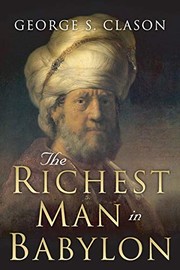
The Richest Man in Babylon by George S. Clason book cover

★★★★½4.6/5

The verdict: The money basics, in parables, in an afternoon.

🎧 Listen free on Audible
Try Kindle Unlimited
Buy the paperback

⚡ Quick answerThe Richest Man in Babylon by George S. Clason gets 4.6/5 from me. The money basics, in parables, in an afternoon. Anyone starting out with money, or who never learned the basics.

What is The Richest Man in Babylon about?

Clason teaches the fundamentals of personal finance through a set of parables set in ancient Babylon. The lessons, pay yourself first, live below your means, make money work for you, are simple, old and still true.

The Richest Man in Babylon summary

The book is a collection of short parables set in ancient Babylon, following characters who learn, and teach, the basic laws of building wealth. The most famous, the richest man in Babylon, shares how a humble scribe became the wealthiest man in the city.

The lessons are deliberately simple and repeated across the stories. Pay yourself first: save at least a tenth of everything you earn before anything else. Live below your means and control your spending. Make your savings work by investing them wisely, and guard them against loss. Seek advice only from those competent to give it. Improve your ability to earn. None of it is complicated, and that is the point; the parable format makes timeless principles memorable.

Because it dates from the 1920s and uses old-fashioned, biblical-sounding language, it has a distinctive style. But it is short, readable in an afternoon, and covers the foundations of personal finance more clearly than many modern books manage in far more pages.

First published in 1926, it has sold millions and remained a recommended primer on personal finance for a century. It is aimed at anyone who wants the timeless basics of money in a simple, memorable form.

The one idea worth the price: Pay yourself first. Save a tenth of everything you earn before you spend a penny of the rest, and never break the habit.

Key ideas and takeaways

  • Pay yourself first. Save at least a tenth of all you earn, always.
  • Live below your means. Control spending so there is always something to save.
  • Make money work. Invest savings wisely so they earn for you.
  • Guard your wealth. Protect your money and take advice only from the competent.

My honest take

This is the book to hand your younger self, or anyone starting out. It strips personal finance back to a handful of laws that have not changed in a hundred years, and delivers them in a form you actually remember, because they are stories rather than spreadsheets.

Pay yourself first is the one that matters most, and it is worth the entry price alone. For the self-employed, whose income is irregular and whose saving is easily neglected, that single discipline, taking a slice off the top before anything else, is the foundation everything else sits on. It is short, gentle and timeless, and I still recommend it decades after first reading it.

The old-fashioned language is either charming or grating depending on your taste, and it takes a chapter to settle into. But do not mistake simplicity for shallowness; these are the foundations, and most people who struggle with money have simply never applied them.

The honest caveat: The archaic, parable style will not suit everyone, and it covers foundations rather than anything advanced. If you already have the basics down, it will feel too simple.

Where it falls short

  • The old-fashioned language takes some getting used to.
  • It covers only the fundamentals, so experienced savers will find little new.

How it compares

I Will Teach You to Be Rich is the modern, tactical version; The Richest Man in Babylon is the timeless foundation beneath it. Read Clason for the principles and Sethi for the current system.

Who should read it (and who should skip it)

Anyone starting out with money, or who never learned the basics. Skip it if your financial foundations are already solid.

Best format: Audio or Kindle; it is short and the parables listen well. Often free or cheap as a classic.

How to actually use it if you are self-employed

  • Set up an automatic transfer of at least ten percent of income to savings.
  • List where your money leaks and cut one thing to live below your means.
  • Move idle savings somewhere they can earn rather than sitting still.
⚡ The 60-second recap

  • Pay yourself first, always.
  • Live below your means.
  • Make your money work and guard it.
A book is a shortcut. A second pair of eyes is faster.

Twenty years self-employed, 500+ people coached. If you want help applying this to your own situation, book a free discovery call.

Book a free discovery call

Frequently asked questions

Is it still relevant?

Yes. The principles, pay yourself first, live below your means, are timeless, even if the language is old.

Is it hard to read?

No, it is short and simple, though the old-fashioned, parable style takes a chapter to settle into.

What is the main lesson?

Pay yourself first: save at least a tenth of everything you earn before spending the rest.

Is there a free version?

As a very old classic it is often free or very cheap, and frequently on Kindle Unlimited.

Is it too basic?

If you already have the fundamentals, yes. It is best for people building the foundations.

Final verdict

The Richest Man in Babylon earns 4.6/5. The money basics, in parables, in an afternoon. If it is the stage you are at, the cheapest way in is a free Audible trial or Kindle Unlimited.

Disclosure: Some links in this article are affiliate links. If you buy through them I may earn a small commission, at no extra cost to you. Star ratings are my own editorial scores.
Categories
BOOK REVIEWS

Never Split the Difference Review and Summary

A Never Split the Difference review and summary: former FBI negotiator Chris Voss on getting better outcomes in any negotiation, including your rates.

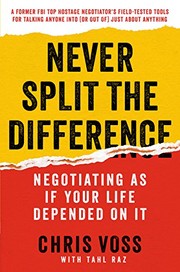
Never Split the Difference by Chris Voss book cover

★★★★½4.7/5

The verdict: FBI hostage tactics turned into everyday negotiation, and it works.

🎧 Listen free on Audible
Try Kindle Unlimited
Buy the paperback

⚡ Quick answerNever Split the Difference by Chris Voss gets 4.7/5 from me. FBI hostage tactics turned into everyday negotiation, and it works. Anyone who negotiates rates, contracts or deals, which is every freelancer.

What is Never Split the Difference about?

Voss, a former lead FBI hostage negotiator, turns the techniques he used in life-or-death situations into practical methods for everyday negotiation, from salaries and rates to deals and disagreements.

Never Split the Difference summary

Voss argues that traditional negotiation advice, built around logic and meeting in the middle, misses how people actually decide, which is emotionally. His methods start from empathy and listening rather than argument.

The book covers a toolkit of techniques. Tactical empathy, understanding and naming the other side's feelings. Mirroring, repeating their last few words to keep them talking. Labelling, putting their emotions into words to defuse them. Calibrated questions that start with how or what, which make the other person solve your problem for you. And the counterintuitive power of a well-placed no, which makes people feel safe, over chasing a yes. The title comes from his insistence that compromise, splitting the difference, is often the worst outcome for both sides.

Each idea comes wrapped in a real hostage-negotiation story, which makes it a gripping read as well as a practical one. The techniques translate directly to business, where most self-employed people negotiate badly or avoid it altogether.

Published in 2016, it became a bestseller and a standard reference on negotiation, praised for being practical rather than theoretical. It is aimed at anyone who wants to negotiate better in work and life.

The one idea worth the price: Negotiation is not about being clever or logical; it is about making the other person feel understood. Empathy is the lever, not argument.

Key ideas and takeaways

  • Tactical empathy. Understand and name the other side's emotions to lower their guard.
  • Mirroring and labelling. Repeat their words and name their feelings to keep them talking.
  • Calibrated questions. Ask how and what questions that make them solve your problem.
  • Aim for no. A safe no often opens more than a pressured yes.

My honest take

For the self-employed, this might be one of the most quietly profitable books on the list, because so many of us are terrible at negotiating and simply take the first number offered. Voss gives you a toolkit that works, and, crucially, does not require you to be a natural salesperson or a hard case.

The techniques are practical and immediately usable. Labelling a client's concern before they voice it, asking how am I supposed to do that when a budget is unrealistic, aiming for a calm no rather than a nervous yes. I have used these in real rate conversations and they change the dynamic completely. The hostage stories make it a genuinely enjoyable read on top.

What makes it stick is the empathy at its core. This is not about tricking or steamrolling people; it is about understanding them well enough that better deals become possible for both sides. That framing makes it usable by people who hate the idea of hard-selling.

The honest caveat: Some techniques feel awkward the first few times and take practice to use naturally. The hostage stories, while gripping, occasionally overshadow the practical point.

Where it falls short

  • The techniques need practice before they feel natural rather than scripted.
  • The dramatic stories sometimes crowd out the everyday application.

How it compares

Influence explains the psychology of persuasion in general; Never Split the Difference applies it directly to live negotiation. Read Cialdini for the theory and Voss for the conversation itself.

Who should read it (and who should skip it)

Anyone who negotiates rates, contracts or deals, which is every freelancer. Skip it only if you are already a confident, skilled negotiator.

Best format: Audio is great for the stories; Kindle if you want the techniques to hand for reference.

How to actually use it if you are self-employed

  • Before your next rate conversation, prepare two calibrated how or what questions.
  • Practise labelling a client's likely concern out loud before they raise it.
  • Stop splitting the difference by default; hold your number and ask questions instead.
⚡ The 60-second recap

  • Lead with empathy, not logic.
  • Mirror, label and ask calibrated questions.
  • A calm no beats a pressured yes.
A book is a shortcut. A second pair of eyes is faster.

Twenty years self-employed, 500+ people coached. If you want help applying this to your own situation, book a free discovery call.

Book a free discovery call

Frequently asked questions

Is it only about big negotiations?

No. The techniques work for everyday situations, from rates and salaries to disagreements with clients.

What does the title mean?

Voss argues that compromise, splitting the difference, is often the worst result, and that better outcomes come from understanding the other side.

Is it manipulative?

It is built on empathy and understanding rather than tricks, which is what makes it usable with integrity.

Do the techniques take practice?

Yes. They feel awkward at first and get more natural with use.

Is the audiobook good?

Very. Voss narrates parts and the hostage stories carry well on audio.

Final verdict

Never Split the Difference earns 4.7/5. FBI hostage tactics turned into everyday negotiation, and it works. If it is the stage you are at, the cheapest way in is a free Audible trial or Kindle Unlimited.
Disclosure: Some links in this article are affiliate links. If you buy through them I may earn a small commission, at no extra cost to you. Star ratings are my own editorial scores.
Categories
BOOK REVIEWS

The Millionaire Fastlane Review and Summary

A Millionaire Fastlane review and summary: MJ DeMarco's case for building wealth through business that scales, not decades of saving.

The Millionaire Fastlane by MJ DeMarco book cover

★★★★½4.6/5

The verdict: A ranty, energising attack on slow-lane get-rich-eventually advice.

🎧 Listen free on Audible
Try Kindle Unlimited
Buy the paperback

⚡ Quick answerThe Millionaire Fastlane by MJ DeMarco gets 4.6/5 from me. A ranty, energising attack on slow-lane get-rich-eventually advice. Freelancers who are just selling hours and want to think bigger about scale.

What is The Millionaire Fastlane about?

DeMarco attacks the conventional wisdom of working, saving and investing for forty years, and argues instead for the fastlane: building a business that can create wealth quickly by serving many people and scaling beyond your own hours.

The Millionaire Fastlane summary

DeMarco splits the world into three financial roadmaps. The sidewalk is living for today with no plan, spending everything and ending up broke. The slowlane is the conventional path: get a job, save hard, invest in index funds, and hope to be wealthy by retirement. The fastlane is his alternative: build a business that can grow fast and produce wealth while you are young enough to enjoy it.

His central complaint with the slowlane is that it trades your most valuable, finite resource, time, for money, and makes your wealth dependent on decades and on factors you do not control. The fastlane instead relies on what he calls the five commandments, business qualities like control, scale and detachment from your time, that let income grow independently of the hours you put in.

The tone is blunt and ranty, and he is scornful of gurus and slow-lane orthodoxy alike. Underneath the noise is a genuine argument about building income that scales and detaches from your time, which is the heart of moving from freelancer to business owner.

Published in 2011, it became a cult favourite in entrepreneurial circles for its attack on conventional wealth advice. It is aimed at people who reject the work-save-wait model and want to build wealth through business.

The one idea worth the price: Wealth built by trading time for money is capped by your hours. Build something that makes money without you in every transaction.

Key ideas and takeaways

  • Three roadmaps. Sidewalk, slowlane and fastlane, and only one builds real wealth fast.
  • Time over money. Your finite time is worth more than the money a job trades it for.
  • Scale and control. Real wealth comes from businesses you control that scale beyond your hours.
  • Detach income from time. Build income that grows without you being in every transaction.

My honest take

This is a book to read when you catch yourself accepting that wealth has to take forty years. DeMarco's rant against the save-and-wait model is bracing, and his core point, that trading your hours for money caps you, is one every freelancer needs to sit with.

Because that is the trap: going self-employed but still selling hours, just at a higher rate, is really just a better-paid job with worse security. DeMarco pushes you to think about scale and systems that detach income from your time. The delivery is over the top and he is dismissive of things that have their place, but the central challenge is a valuable one.

It pairs well with The E-Myth. Gerber shows you how to build a business that runs without you; DeMarco gives you the fire to want to in the first place, and the argument for why it matters.

The honest caveat: The tone is ranty and repetitive, and he is unfairly dismissive of sensible slow-lane investing, which suits plenty of people fine. Take the challenge, not the absolutism.

Where it falls short

  • Repetitive and combative in tone.
  • Too dismissive of conventional investing, which is a sound path for many.

How it compares

The E-Myth shows you how to build a business that runs without you; The Millionaire Fastlane gives you the motivation and the reason to. Read DeMarco for the fire and Gerber for the method.

Who should read it (and who should skip it)

Freelancers who are just selling hours and want to think bigger about scale. Skip it if the ranty tone will put you off, or you are happy with a steady slow-lane plan.

Best format: Audio suits the energetic delivery; Kindle if you want to note the commandments.

How to actually use it if you are self-employed

  • Ask whether your business would earn anything if you stopped working for a month.
  • Identify one part of your offer that could scale beyond your hours.
  • Sketch one product or system that does not need you in every sale.
⚡ The 60-second recap

  • Trading hours for money caps your wealth.
  • Build something that scales beyond your time.
  • Control and scale are what create fastlane wealth.
A book is a shortcut. A second pair of eyes is faster.

Twenty years self-employed, 500+ people coached. If you want help applying this to your own situation, book a free discovery call.

Book a free discovery call

Frequently asked questions

What is the fastlane?

Building a business that can create wealth quickly by scaling and detaching income from your own hours, rather than saving for decades.

Is it against saving and investing?

It is dismissive of relying on them alone, though conventional investing suits many people fine. Take the challenge with a pinch of salt.

Who is it best for?

Freelancers and would-be founders who want to build income that scales beyond their time.

Is it practical?

More motivational and conceptual than step-by-step, so pair it with a how-to book.

Is the tone off-putting?

It can be ranty and combative. If that grates, focus on the core argument about scale.

Final verdict

The Millionaire Fastlane earns 4.6/5. A ranty, energising attack on slow-lane get-rich-eventually advice. If it is the stage you are at, the cheapest way in is a free Audible trial or Kindle Unlimited.

Disclosure: Some links in this article are affiliate links. If you buy through them I may earn a small commission, at no extra cost to you. Star ratings are my own editorial scores.
Categories
BOOK REVIEWS

I Will Teach You to Be Rich Review and Summary

An I Will Teach You to Be Rich review and summary: Ramit Sethi's practical six-week system for automating your finances and spending guilt-free on what you love.

I Will Teach You to Be Rich by Ramit Sethi book cover

★★★★½4.6/5

The verdict: A no-nonsense system for automating your money so you can stop thinking about it.

🎧 Listen free on Audible
Try Kindle Unlimited
Buy the paperback

⚡ Quick answerI Will Teach You to Be Rich by Ramit Sethi gets 4.6/5 from me. A no-nonsense system for automating your money so you can stop thinking about it. Anyone who earns reasonably but never gets round to organising their money.

What is I Will Teach You to Be Rich about?

Sethi gives a practical, six-week programme for sorting your money: cutting fees, automating savings and bills, and setting things up so your finances largely run themselves, leaving you free to spend on what you actually enjoy.

I Will Teach You to Be Rich summary

Sethi's approach is deliberately unglamorous and systems-based. Rather than preaching frugality, he argues you should cut costs mercilessly on the things you do not care about so you can spend freely on the things you do, what he calls conscious spending.

The book is structured as a six-week action plan. It walks through optimising credit cards and bank accounts, beating fees, opening the right savings and investment accounts, and then the centrepiece: automating the whole system so money flows to bills, savings and investments the moment you are paid. He is a strong advocate of low-cost index investing and of not agonising over small decisions, arguing that getting the big things automated matters far more than fretting over a coffee.

The updated edition brings the specifics current. The tone is brash and funny, aimed at a younger audience, but underneath it is one of the most genuinely actionable personal-finance systems around, with a useful section for freelancers and irregular income.

First published in 2009 and substantially updated in 2019, it became a modern personal-finance staple aimed at a younger generation. It is aimed at people who want their money organised without becoming obsessed with budgeting.

The one idea worth the price: Automate the boring big decisions once, so your money sorts itself every month and you can spend guilt-free on what you love.

Key ideas and takeaways

  • Conscious spending. Cut hard on what you do not value so you can spend freely on what you do.
  • Automate everything. Set money to flow to bills, savings and investing automatically.
  • Big wins over small guilt. Sorting the big things beats agonising over a coffee.
  • Invest simply. Low-cost index funds beat trying to be clever.

My honest take

This is the most practical money book on the list, and the one to reach for once The Psychology of Money has sorted your head out. Where Housel gives you the mindset, Sethi gives you the actual steps: which accounts, in what order, automated how.

The automation idea is the killer. Set your money to move itself the day you are paid, and you remove willpower from the equation entirely. For the self-employed, whose income is irregular and whose finances are easy to ignore, the section on handling variable income alone earns it a spot. The tone is loud and American, but the system underneath is genuinely useful.

The conscious-spending idea deserves special mention because it removes the guilt so many people carry. You are allowed to spend generously on what you love, provided you are ruthless on what you do not. That balance is healthier than the deprivation most money books push.

The honest caveat: The tone is brash and aimed at a younger, American audience, and some account specifics need translating for the UK. The system and principles carry across fine.

Where it falls short

  • The specific accounts and products are US-focused, so UK readers adapt them.
  • The loud, jokey tone will not suit everyone, especially older readers.

How it compares

The Psychology of Money sorts your mindset; I Will Teach You to Be Rich gives you the step-by-step system to act on it. Read Housel first, then Sethi to actually set things up.

Who should read it (and who should skip it)

Anyone who earns reasonably but never gets round to organising their money. Skip it if your finances are already automated and optimised.

Best format: Kindle or paper, because you will want to work through the six-week plan.

How to actually use it if you are self-employed

  • Set up automatic transfers to savings and tax the day you are paid.
  • List what you love spending on and what you do not, then cut the second hard.
  • Check the fees on your accounts and cards and kill the worst ones.
⚡ The 60-second recap

  • Cut hard on what you do not value, spend freely on what you do.
  • Automate money the day you are paid.
  • Keep investing simple with low-cost funds.
A book is a shortcut. A second pair of eyes is faster.

Twenty years self-employed, 500+ people coached. If you want help applying this to your own situation, book a free discovery call.

Book a free discovery call

Frequently asked questions

Is it UK-friendly?

The principles are, but the specific accounts and products are US-based, so you adapt those to UK equivalents.

Is it about being frugal?

No. It is about conscious spending: cutting hard on what you do not value so you can spend freely on what you do.

Is it good for freelancers?

Yes. The updated edition has a solid section on managing irregular, self-employed income.

Which edition should I read?

The updated 2019 edition, which brings the specifics current.

Do I need investing knowledge?

No. It walks you through simple, low-cost investing from scratch.

Final verdict

I Will Teach You to Be Rich earns 4.6/5. A no-nonsense system for automating your money so you can stop thinking about it. If it is the stage you are at, the cheapest way in is a free Audible trial or Kindle Unlimited.

Disclosure: Some links in this article are affiliate links. If you buy through them I may earn a small commission, at no extra cost to you. Star ratings are my own editorial scores.
Categories
BOOK REVIEWS

Money Review and Summary

A Money by Rob Moore review and summary: a UK entrepreneur's direct, practical guide to earning, keeping and thinking about money.

Money by Rob Moore book cover

★★★★½4.5/5

The verdict: A blunt British take on wealth, minus the American gloss.

🎧 Listen free on Audible
Try Kindle Unlimited
Buy the paperback

⚡ Quick answerMoney by Rob Moore gets 4.5/5 from me. A blunt British take on wealth, minus the American gloss. UK readers who want a relatable, British take on wealth and mindset.

What is Money about?

Rob Moore, a UK entrepreneur, sets out his beliefs and methods around money: how to earn more, keep more and give more, delivered in a blunt, British, no-nonsense style.

Money summary

Moore's book is a broad take on money from a British perspective, which sets it apart from a genre dominated by American voices. Its subtitle, know more, make more, give more, sums up the arc: understand money better, use that to earn more, and put some of it to good use.

He covers money beliefs and the emotional baggage many people carry about wealth, arguing you have to fix your mindset before the methods work. From there he moves into practical territory: raising your income, the difference between earned and other forms of income, managing and multiplying money, and his own experience going from broke and in debt to wealthy. There is a strong self-development thread throughout, tying money to purpose and self-worth.

The tone is direct and occasionally over the top, very much in Moore's own voice. It is less structured than some money books and more a collection of his hard-won principles, but the British framing and blunt delivery make it a useful, relatable read for a UK audience.

Published in 2018 by a well-known UK entrepreneur, it brought a distinctly British voice to a genre dominated by American authors. It is aimed at UK readers who want a relatable take on earning and managing money.

The one idea worth the price: Fix your beliefs about money before your methods. Most people's money problem starts in their head, not their bank account.

Key ideas and takeaways

  • Money beliefs first. Sort the emotional baggage before the tactics.
  • Know more, make more. Understanding money is the route to earning more of it.
  • Multiple income types. Move beyond only earned income.
  • Give more. Wealth is tied to purpose, not just accumulation.

My honest take

It is refreshing to have a money book written from a British point of view, without the American gloss that makes so much of the genre feel foreign. Moore has been broke and in debt himself, and that grounding shows; he is blunt about the mindset side in a way UK readers will recognise.

He can be over the top, and the book is more a collection of principles than a tidy system. But for someone here in the UK who bounces off the Cardone-style American material, this is a more relatable voice covering similar ground. Take the mindset work seriously and the practical bits as a starting point.

It works well as a British counterpart to The Psychology of Money. Housel is calmer and more polished; Moore is blunter and more personal, but both push the same truth that your relationship with money matters more than the maths.

The honest caveat: It is less structured than some money books and the tone can tip into hype and self-promotion. Take the mindset lessons and treat the delivery as background.

Where it falls short

  • Loosely structured, more a set of principles than a system.
  • The tone occasionally veers into hype and self-promotion.

How it compares

The Psychology of Money is the calmer, more polished take on money mindset; Money is the blunter, British counterpart. Read Housel for the craft and Moore for the home-grown directness.

Who should read it (and who should skip it)

UK readers who want a relatable, British take on wealth and mindset. Skip it if you prefer a tightly structured, tactical money system.

Best format: Audio or Kindle; it reads like Moore talking, which suits listening.

How to actually use it if you are self-employed

  • Write down the beliefs about money you picked up growing up, and question them.
  • Identify one way to add income beyond your main earned source.
  • Set a simple giving or saving rule you can stick to.
⚡ The 60-second recap

  • Fix your money beliefs first.
  • Understand money to earn more.
  • Build income beyond your wages, and give some back.
A book is a shortcut. A second pair of eyes is faster.

Twenty years self-employed, 500+ people coached. If you want help applying this to your own situation, book a free discovery call.

Book a free discovery call

Frequently asked questions

Is it a UK-focused money book?

Yes. Rob Moore is a British entrepreneur, which makes it more relatable for UK readers than most of the genre.

Is it practical or mindset-focused?

Both, with a strong emphasis on fixing your money beliefs before the practical methods.

Who is it best for?

UK readers who want a direct, relatable take on wealth and mindset.

How does it compare to American money books?

Similar ground, but without the American framing, which many UK readers find easier to relate to.

Is the tone off-putting?

It can be blunt and a little self-promotional, but the honesty about his own past struggles balances it.

Final verdict

Money earns 4.5/5. A blunt British take on wealth, minus the American gloss. If it is the stage you are at, the cheapest way in is a free Audible trial or Kindle Unlimited.

Disclosure: Some links in this article are affiliate links. If you buy through them I may earn a small commission, at no extra cost to you. Star ratings are my own editorial scores.
Categories
BOOK REVIEWS

The 10X Rule Review and Summary

A 10X Rule review and summary: Grant Cardone's case for setting bigger targets and taking far more action than you think you need.

The 10X Rule by Grant Cardone book cover

★★★★½4.5/5

The verdict: Loud, relentless and a lot, but the point about massive action lands.

🎧 Listen free on Audible
Try Kindle Unlimited
Buy the paperback

⚡ Quick answerThe 10X Rule by Grant Cardone gets 4.5/5 from me. Loud, relentless and a lot, but the point about massive action lands. Anyone playing too small and setting timid, comfortable goals.

What is The 10X Rule about?

Cardone argues that most people fail because they set targets too low and take too little action. His 10X Rule says to aim ten times higher and act ten times harder than you think is required.

The 10X Rule summary

Cardone's premise is blunt: the main reason people fall short is that they underestimate what a goal will take and then under-deliver on effort. His answer is the 10X Rule, which has two parts. Set targets ten times bigger than you think you should, and take ten times more action than you think is needed to hit them.

He argues that ordinary levels of action produce ordinary, fragile results, and that massive action is the only thing that reliably breaks through, while also throwing off unexpected opportunities along the way. He dismisses the middle-class goal of comfort as a trap, pushes readers to treat success as a duty rather than an option, and spends much of the book attacking excuses, fear and average thinking.

The tone is relentless and self-promotional, which is either motivating or exhausting depending on your taste. Underneath the volume, though, is a genuine and useful point about the gap between the effort people plan for and the effort success actually takes.

Published in 2011, it became one of Cardone's signature books and a staple of the high-energy success genre. It is aimed at people who set safe goals and take too little action to reach them.

The one idea worth the price: Whatever you think a goal will take, you have underestimated it. Set the target higher and take far more action than feels reasonable.

Key ideas and takeaways

  • Set 10X targets. Aim far higher than feels sensible.
  • Take 10X action. Massive action, not average effort, is what breaks through.
  • Kill excuses. Fear and average thinking are the real enemies.
  • Success as duty. Treat success as an obligation, not an option.

My honest take

Cardone is a lot, and I will not pretend otherwise. The relentless intensity and self-promotion put plenty of people off, and that is fair. But if you strip away the volume, there is a real and useful idea here: most people badly underestimate the effort success takes, then quit when their modest effort produces modest results.

The 10X reframe fixes that. Set the target far higher and plan for far more action than feels comfortable, and even falling short leaves you well ahead of where timid goals would have. I do not buy the whole obsession-above-all lifestyle, but for someone playing too small and too safe, this is a useful, if loud, corrective.

Take it as a dose, not a diet. Read it when you catch yourself sandbagging your goals, use the reframe, and do not feel obliged to adopt the entire always-on philosophy that comes with it.

The honest caveat: The tone is relentless, self-promotional and light on nuance around balance and burnout. Take the core reframe and leave the lifestyle.

Where it falls short

  • Repetitive, hype-heavy and heavy on self-promotion.
  • Little regard for balance or burnout, so apply the drive with your own limits in mind.

How it compares

Think and Grow Rich is the calm, original source for the desire-and-action message; The 10X Rule is the loud modern remix. Read Hill for the blueprint and Cardone for the high-energy push.

Who should read it (and who should skip it)

Anyone playing too small and setting timid, comfortable goals. Skip it if hype and intensity put you off, or if you already push yourself hard.

Best format: Audio suits the high-energy delivery, though the message is simple enough to get quickly.

How to actually use it if you are self-employed

  • Take your current main goal and multiply it by ten, then plan for it.
  • List the actions you planned, then multiply the volume.
  • Catch one excuse this week and act instead.
⚡ The 60-second recap

  • Set targets far bigger than feel sensible.
  • Take massive action, not average effort.
  • Most people simply underestimate what it takes.
A book is a shortcut. A second pair of eyes is faster.

Twenty years self-employed, 500+ people coached. If you want help applying this to your own situation, book a free discovery call.

Book a free discovery call

Frequently asked questions

What is the 10X Rule?

Set targets ten times bigger than you think you should, and take ten times more action than you think is needed.

Is it worth reading given the hype?

If you can filter the tone, the core point about massive action is genuinely useful.

Who is it best for?

People who play it too safe and set timid goals. It is a corrective for under-ambition.

Is it repetitive?

Yes. The single idea is hammered hard, which is either motivating or wearing depending on you.

Does it ignore burnout?

Largely, yes. Take the drive but set your own sensible limits.

Final verdict

The 10X Rule earns 4.5/5. Loud, relentless and a lot, but the point about massive action lands. If it is the stage you are at, the cheapest way in is a free Audible trial or Kindle Unlimited.

Disclosure: Some links in this article are affiliate links. If you buy through them I may earn a small commission, at no extra cost to you. Star ratings are my own editorial scores.
Categories
BOOK REVIEWS

The Psychology of Money Review and Summary

A Psychology of Money review and summary: Morgan Housel on why doing well with money is about behaviour, not intelligence.

The Psychology of Money by Morgan Housel book cover

★★★★½4.7/5

The verdict: The rare money book about behaviour, not spreadsheets, and it is superb.

🎧 Listen free on Audible
Try Kindle Unlimited
Buy the paperback

⚡ Quick answerThe Psychology of Money by Morgan Housel gets 4.7/5 from me. The rare money book about behaviour, not spreadsheets, and it is superb. Everyone, but especially the self-employed with irregular income and an anxious relationship with money.

What is The Psychology of Money about?

Housel argues that financial success has less to do with how much you know and more to do with how you behave. Through nineteen short stories, he explores the psychology behind how people handle money.

The Psychology of Money summary

Housel's central idea is that money is not a hard science governed by formulas but a soft skill, where how you behave matters more than what you know. A genius who loses control of their emotions can be a financial disaster, while an ordinary person with patience and discipline can do very well.

The book is a set of nineteen largely standalone chapters, each making one point through a story. He covers the role of luck and risk, the power of compounding and why we underrate it, the difference between being rich and being wealthy, the value of enough and knowing when to stop, and why saving is more about humility and freedom than income. A recurring theme is that reasonable decisions you can stick with beat optimal ones you cannot.

Because the chapters are short and story-led, it is an easy, pleasant read that still leaves you with ideas you keep coming back to. It is less about what to do with money and more about how to think about it.

Published in 2020, it became a word-of-mouth bestseller and one of the most recommended money books of recent years. It is aimed at anyone who wants to think more clearly about money, regardless of how much they have.

The one idea worth the price: Doing well with money is mostly about behaviour, not brains. Reasonable decisions you can stick to beat perfect ones you cannot.

Key ideas and takeaways

  • Behaviour over brains. Temperament matters more than intelligence with money.
  • The power of enough. Knowing when you have enough prevents ruinous risk.
  • Compounding is underrated. The biggest gains come from time and patience.
  • Reasonable beats optimal. A plan you can stick to wins over a perfect one you abandon.

My honest take

This is my favourite money book on the list, and the one I would hand to almost anyone. It sidesteps the usual spreadsheets and instead deals with the real reason people struggle with money, which is behaviour, emotion and story.

Housel writes beautifully and the short chapters make it a genuine pleasure to read. The ideas stick: the value of enough, the danger of moving the goalposts, the quiet power of patience. For the self-employed, whose income is lumpy and whose relationship with money is often fraught, it is grounding in a way few finance books manage. I reread bits of it regularly.

There is not much to criticise, other than that it is deliberately about principles rather than specific tactics. If you want to know which account to open or which fund to buy, this is not that book, and it is better for it.

The honest caveat: It is about mindset and principles, not specific tactics, so it will not tell you exactly what to invest in or how. That is by design, but worth knowing.

Where it falls short

  • Deliberately light on concrete, do-this financial steps.
  • A couple of chapters cover similar ground, though the quality stays high.

How it compares

Where Rich Dad Poor Dad is the blunt wake-up call, The Psychology of Money is the wiser, calmer follow-up. Read Kiyosaki for the jolt and Housel for the wisdom.

Who should read it (and who should skip it)

Everyone, but especially the self-employed with irregular income and an anxious relationship with money. Hard to think of who should skip it.

Best format: Audio is excellent, as the short stories carry beautifully, though Kindle is nice for noting the lines you will want to keep.

How to actually use it if you are self-employed

  • Define what enough looks like for you, so you know when to stop taking risks.
  • Automate saving a fixed share of irregular income.
  • Judge financial decisions by whether you can stick to them, not whether they are optimal.
⚡ The 60-second recap

  • Behaviour beats intelligence with money.
  • Know your enough and protect it.
  • Let compounding and patience do the work.
A book is a shortcut. A second pair of eyes is faster.

Twenty years self-employed, 500+ people coached. If you want help applying this to your own situation, book a free discovery call.

Book a free discovery call

Frequently asked questions

Is it a how-to money book?

No. It is about behaviour and mindset rather than specific tactics, which is what makes it stand out.

Do I need finance knowledge to read it?

None at all. It is written in plain language through stories anyone can follow.

Why is it so highly recommended?

Because it addresses the real reason people struggle with money, behaviour, rather than just the maths.

Is the audiobook good?

Yes, the short story-led chapters work very well on audio.

What should I read alongside it?

Profit First for a practical system, or The Richest Man in Babylon for the timeless basics.

Final verdict

The Psychology of Money earns 4.7/5. The rare money book about behaviour, not spreadsheets, and it is superb. If it is the stage you are at, the cheapest way in is a free Audible trial or Kindle Unlimited.

Disclosure: Some links in this article are affiliate links. If you buy through them I may earn a small commission, at no extra cost to you. Star ratings are my own editorial scores.
Categories
BOOK REVIEWS

Profit First Review and Summary

A Profit First review and summary: Mike Michalowicz's system for making sure your business actually pays you a profit.

Profit First by Mike Michalowicz book cover

★★★★½4.6/5

The verdict: The simple accounting habit that ends the feast-and-famine cycle.

🎧 Listen free on Audible
Try Kindle Unlimited
Buy the paperback

⚡ Quick answerProfit First by Mike Michalowicz gets 4.6/5 from me. The simple accounting habit that ends the feast-and-famine cycle. Freelancers and owners who earn well but never keep a profit.

What is Profit First about?

Michalowicz flips the usual accounting formula. Instead of profit being what is left after expenses, you take profit first and run the business on what remains, using a simple system of separate bank accounts.

Profit First summary

Michalowicz starts from a problem most business owners recognise: money comes in, money goes out, and somehow there is never any profit left. The usual formula, sales minus expenses equals profit, leaves profit as an afterthought that never arrives.

His fix is to reverse it: sales minus profit equals expenses. You take a set percentage as profit first, along with allocations for your own pay and tax, and force the business to run on what is left. The mechanism is deliberately simple, several separate bank accounts, so that the money for profit, tax and pay is physically moved out of reach before you can spend it on running costs.

He builds on the idea that most people manage money by what they see in the main account, so by keeping temptation out of sight, the system works with human nature rather than against it. It is behavioural accounting for people who are not accountants, and its simplicity is the point.

Published in 2014 and revised since, it became a popular system among small-business owners and freelancers. It is aimed at people who make money but struggle to hold on to any of it.

The one idea worth the price: Take your profit first and force the business to live on what is left. Left to the end, profit never shows up.

Key ideas and takeaways

  • Profit first. Reserve profit before expenses, not after.
  • Separate accounts. Move profit, tax and pay out of the main account so you cannot spend them.
  • Work with human nature. People spend what they see, so hide what should not be spent.
  • Small percentages, regularly. Start with modest allocations and increase them over time.

My honest take

This is the money book I recommend to freelancers who earn decent money but never seem to keep any. The clever part is not the accounting, it is the behaviour: by moving profit, tax and your pay into separate accounts the moment money lands, you stop the business quietly eating everything.

So many self-employed people run everything from one account, see a healthy balance and spend it, then panic at tax time. Michalowicz's system is simple enough to actually stick to, which matters far more than being clever. Twenty years in, the people I have seen stay solvent are the ones with a system like this, whatever they call it.

It is repetitive and a little evangelical, and if you already run tight books you may find it basic. But for the many people who avoid looking at their finances at all, its simplicity is exactly why it works where spreadsheets have failed.

The honest caveat: It repeats itself and can feel like an infomercial for the method at times. If you already have disciplined financial systems, it will feel basic.

Where it falls short

  • Repetitive and a touch evangelical about the system.
  • Aimed at people with no system, so experienced owners find it simplistic.

How it compares

The Psychology of Money explains why we behave badly with money; Profit First gives you a mechanical system that works around that behaviour. Read Housel for the why and Michalowicz for the how.

Who should read it (and who should skip it)

Freelancers and owners who earn well but never keep a profit. Skip it if your financial systems are already solid.

Best format: Kindle or audio; it is more concept than reference, though the account setup is worth noting.

How to actually use it if you are self-employed

  • Open separate accounts for profit, tax and your own pay.
  • Move a small percentage into each the moment money comes in.
  • Run the business on what is left, and raise the percentages over time.
⚡ The 60-second recap

  • Take profit first, run on what is left.
  • Use separate accounts to hide money from yourself.
  • Keep it simple so you actually stick to it.
A book is a shortcut. A second pair of eyes is faster.

Twenty years self-employed, 500+ people coached. If you want help applying this to your own situation, book a free discovery call.

Book a free discovery call

Frequently asked questions

What is the Profit First formula?

Sales minus profit equals expenses. You take profit first and run the business on what remains.

Do I really need separate accounts?

They are the heart of the system. Physically separating the money is what stops you spending it.

Is it for freelancers or bigger businesses?

Both, but it is especially useful for freelancers and small owners with no financial system yet.

Is it complicated to set up?

No. The whole point is simplicity, a handful of accounts and regular transfers.

Will my accountant approve?

Many do, as it enforces tax and profit discipline. Check the specifics for UK tax with yours.

Final verdict

Profit First earns 4.6/5. The simple accounting habit that ends the feast-and-famine cycle. If it is the stage you are at, the cheapest way in is a free Audible trial or Kindle Unlimited.

Disclosure: Some links in this article are affiliate links. If you buy through them I may earn a small commission, at no extra cost to you. Star ratings are my own editorial scores.
Categories
BOOK REVIEWS

Day Trading Attention Review and Summary

A Day Trading Attention review and summary: Gary Vaynerchuk's up-to-date guide to winning attention across today's social platforms.

Day Trading AttentionGary Vaynerchuk

★★★★½4.5/5

The verdict: Vaynerchuk's current playbook for organic reach: skip the hype, keep the breakdowns.

🎧 Listen free on Audible
Try Kindle Unlimited
Buy the paperback

⚡ Quick answerDay Trading Attention by Gary Vaynerchuk gets 4.5/5 from me. Vaynerchuk's current playbook for organic reach: skip the hype, keep the breakdowns. Anyone building an audience or brand on social platforms right now.

What is Day Trading Attention about?

Vaynerchuk argues that attention is the asset that matters most now, and lays out how to earn it organically across modern social platforms through content built for how people actually scroll.

Day Trading Attention summary

Vaynerchuk's central claim is that the businesses winning today are the ones that understand where attention is cheap and how to capture it, and that right now organic social content offers reach that would once have cost a fortune in ads. The book is his current thinking on how to do that.

He breaks down the idea of creating large volumes of content, then using the best-performing pieces to guide what you make next, a test-and-learn approach to attention. A large part of the book goes platform by platform, covering the formats and behaviours that work on each, and the idea of modelling content on what already gets engagement rather than guessing. He ties it to a simple commercial point: attention is only useful if it eventually leads to sales, so the content has to connect to an offer.

The tone is high-energy and repetitive in places, which is very Vaynerchuk. Underneath it is a genuinely useful, current breakdown of organic reach that most older marketing books cannot offer.

Published in 2024, it is Vaynerchuk's updated take on modern social-media marketing and one of the more current books on this list. It is aimed at business owners and creators trying to win attention organically today.

The one idea worth the price: Attention is the cheapest it will ever be on the platforms most people are ignoring. Make content built for how people actually scroll, not how you wish they did.

Key ideas and takeaways

  • Attention is the asset. The scarce, valuable thing now is attention, and organic reach is underpriced.
  • Volume then double down. Make a lot, then lean into what performs.
  • Platform-native content. Match the format and behaviour of each platform.
  • Attention must convert. Reach only counts if it eventually leads to a sale.

My honest take

This is the one genuinely current book in the marketing section, and that is its main value. A lot of marketing classics were written before the platforms most of us now rely on existed, and Vaynerchuk's breakdowns of how organic reach works today fill that gap.

You do have to filter the hype. He is high-energy and repetitive, and not every reader enjoys the tone. But the platform-by-platform detail and the test-and-learn approach to content are practical and up to date, which for anyone building an audience right now is exactly what is needed. Take the tactics, leave the volume.

It pairs well with $100M Leads. Hormozi gives you the framework for where leads come from; Vaynerchuk goes deeper on the organic-content channel specifically, which is where a lot of self-employed people get their cheapest reach.

The honest caveat: The tone is hype-heavy and repetitive, and platform tactics date fast, so treat the specifics as a snapshot. The underlying approach to attention lasts longer than any single tactic.

Where it falls short

  • High-energy, repetitive style that grates on some readers.
  • Platform-specific tactics will date as the platforms change.

How it compares

$100M Leads covers all the ways to get seen; Day Trading Attention goes deep on the organic-content channel specifically. Read Hormozi for the map and Vaynerchuk for the social detail.

Who should read it (and who should skip it)

Anyone building an audience or brand on social platforms right now. Skip it if organic social is not part of your plan.

Best format: Kindle or paper for the platform breakdowns; audio loses the visual examples.

How to actually use it if you are self-employed

  • Pick one platform and study what already gets engagement in your niche.
  • Commit to a volume of content, then double down on your best performers.
  • Make sure each piece connects, eventually, to something you sell.
⚡ The 60-second recap

  • Attention is the asset; organic reach is underpriced.
  • Make volume, then double down on what works.
  • Turn attention into sales, not just views.
A book is a shortcut. A second pair of eyes is faster.

Twenty years self-employed, 500+ people coached. If you want help applying this to your own situation, book a free discovery call.

Book a free discovery call

Frequently asked questions

What does day trading attention mean?

Treating attention like a market: spotting where reach is currently cheap and moving quickly to capture it with the right content.

Is it up to date?

Yes. Published in 2024, it is one of the more current marketing books, though platform tactics always date eventually.

Who is it for?

People building an audience or brand on social platforms right now.

Is the tone off-putting?

It is high-energy and repetitive, which some love and some do not. The tactics are worth filtering for.

Do I need to be on every platform?

No. The book helps you pick where your attention is best spent rather than spreading thin.

Final verdict

Day Trading Attention earns 4.5/5. Vaynerchuk's current playbook for organic reach: skip the hype, keep the breakdowns. If it is the stage you are at, the cheapest way in is a free Audible trial or Kindle Unlimited.

Disclosure: Some links in this article are affiliate links. If you buy through them I may earn a small commission, at no extra cost to you. Star ratings are my own editorial scores.
Categories
BOOK REVIEWS

Oversubscribed Review and Summary

An Oversubscribed review and summary: Daniel Priestley's method for creating more demand than you can supply.

Oversubscribed by Daniel Priestley book cover

★★★★½4.6/5

The verdict: How to build a business people queue for, instead of chasing every sale.

🎧 Listen free on Audible
Try Kindle Unlimited
Buy the paperback

⚡ Quick answerOversubscribed by Daniel Priestley gets 4.6/5 from me. How to build a business people queue for, instead of chasing every sale. Service providers, coaches and consultants stuck in feast-and-famine.

What is Oversubscribed about?

Priestley explains how to become oversubscribed: to have more demand than you can meet, so you set the terms, charge well and stop chasing work. It is about engineering demand rather than hoping for it.

Oversubscribed summary

Priestley's premise is that the healthiest position for any business is to be oversubscribed, with more people wanting what you offer than you can serve. Being oversubscribed lets you choose your clients, raise your prices and work without the constant anxiety of where the next job comes from.

He argues demand is not luck; it is engineered. The book explains how to build anticipation before a launch, cultivate a warm audience over time, and use signals of scarcity and popularity honestly so that when you do open your doors, people are ready to buy. He introduces the idea of a market being in balance, in your favour or against you, and how to tip it in your favour through relationships and timing.

It is practical and grounded in Priestley's own experience running events and businesses. For service providers who live feast to famine, it reframes the whole problem from finding customers to building demand you can then release.

Published in 2015, it became a popular playbook among coaches, consultants and event-based businesses. It is aimed at service providers who want reliable demand instead of chasing every sale.

The one idea worth the price: Build the demand before you need the sale. When more people want you than you can serve, everything else gets easier.

Key ideas and takeaways

  • Engineer demand. Demand is built deliberately, not left to luck.
  • Warm the audience. Cultivate relationships before you ever ask for a sale.
  • Honest scarcity. Real limits on your time or spots make people act.
  • Choose your clients. Being oversubscribed lets you pick, price and set terms.

My honest take

This is the best of Priestley's books for a service business, and it tackles the single most stressful part of self-employment: the feast-and-famine cycle. Instead of chasing customers when the pipeline runs dry, he shows you how to build steady demand so you are the one choosing.

The reframe is the valuable bit. Most people think their problem is finding clients. Priestley argues the real job is building an audience and anticipation over time, so that selling becomes releasing demand rather than hunting for it. For anyone who dreads the quiet months, that shift is worth a lot.

It sits naturally alongside Key Person of Influence, his other book on this list. That one is about becoming known in your field; this one is about turning that reputation into a queue of people ready to buy.

The honest caveat: Like his other work, it points towards Priestley's own programmes, and some examples suit event-based businesses best. The core principle of building demand applies to almost anyone.

Where it falls short

  • A promotional undertone towards the author's own programmes.
  • Examples lean towards launches and events, so steady-service businesses adapt the specifics.

How it compares

Key Person of Influence makes you known; Oversubscribed turns that into a queue of buyers. Read them together for Priestley's full approach to standing out and selling out.

Who should read it (and who should skip it)

Service providers, coaches and consultants stuck in feast-and-famine. Skip it if you already have steady, reliable demand.

Best format: Kindle or audio; it is brisk and readable either way.

How to actually use it if you are self-employed

  • Start building a warm audience now, before you next need sales.
  • Plan your next offer with a real, honest limit on places.
  • Track demand so you launch when interest is high, not when cash is low.
⚡ The 60-second recap

  • Aim to be oversubscribed, with demand beyond supply.
  • Build audience and anticipation before selling.
  • Use honest scarcity and choose your clients.
A book is a shortcut. A second pair of eyes is faster.

Twenty years self-employed, 500+ people coached. If you want help applying this to your own situation, book a free discovery call.

Book a free discovery call

Frequently asked questions

What does oversubscribed mean?

Having more demand than you can supply, so you can choose clients, raise prices and stop chasing work.

Is demand really something you can build?

Priestley argues yes, through relationships, anticipation and honest scarcity, rather than leaving it to luck.

Who is it best for?

Service providers, coaches and consultants who suffer from feast-and-famine income.

Should I read Key Person of Influence first?

Either order works. KPI is about becoming known; Oversubscribed is about converting that into demand.

Does it only work for launches?

Launches are the clearest example, but the demand-building principle applies to ongoing services too.

Final verdict

Oversubscribed earns 4.6/5. How to build a business people queue for, instead of chasing every sale. If it is the stage you are at, the cheapest way in is a free Audible trial or Kindle Unlimited.

Disclosure: Some links in this article are affiliate links. If you buy through them I may earn a small commission, at no extra cost to you. Star ratings are my own editorial scores.
Categories
BOOK REVIEWS

This Is Marketing Review and Summary

A This Is Marketing review and summary: Seth Godin's case for serving the smallest viable audience instead of trying to reach everyone.

This Is Marketing by Seth Godin book cover

★★★★½4.4/5

The verdict: Marketing as service, not shouting: Godin at his most useful.

🎧 Listen free on Audible
Try Kindle Unlimited
Buy the paperback

⚡ Quick answerThis Is Marketing by Seth Godin gets 4.4/5 from me. Marketing as service, not shouting: Godin at his most useful. Freelancers and small businesses who dislike pushy marketing and want a service-led approach.

What is This Is Marketing about?

Godin reframes marketing away from spam and interruption towards service: understanding a specific group of people deeply and helping them get where they want to go. It is marketing with empathy at its centre.

This Is Marketing summary

Godin's argument is that good marketing is not about tricks, ads or reaching everyone. It is about seeing a specific group of people clearly, understanding what they want and believe, and making something that genuinely helps them, then telling a true story about it.

A central idea is the smallest viable audience: rather than watering down your work to appeal to everyone, choose the smallest group you can serve brilliantly, and serve them so well they tell others. He covers positioning, the importance of tension and change in marketing, status and belonging as drivers of behaviour, and permission marketing, earning the right to speak to people rather than interrupting them.

It is more a way of thinking than a step-by-step manual. Godin writes in short, aphoristic sections that reward slow reading, and the overall effect is to make marketing feel less grubby and more like a craft of service.

Published in 2018, it distilled decades of Godin's thinking into a single volume and became a modern marketing staple. It is aimed at people who want to market with integrity rather than interruption.

The one idea worth the price: Stop trying to reach everyone. Find the smallest audience you can serve brilliantly, and serve them so well they bring the others.

Key ideas and takeaways

  • Smallest viable audience. Serve a specific small group superbly rather than everyone weakly.
  • Marketing as service. Help people become who they want to be, do not interrupt them.
  • Status and belonging. People act to fit their group and to move their status.
  • Permission over interruption. Earn the right to communicate rather than shouting.

My honest take

This is the marketing book for people who dislike marketing. If ads and hard-sell tactics make you uncomfortable, Godin offers a version built on empathy and service that is far easier to do with a straight face.

The smallest-viable-audience idea is the one I quote most. So many self-employed people try to appeal to everyone and end up meaning nothing to anyone. Choosing a specific group and serving them properly is both kinder and more effective, and this book makes the case beautifully. It is more philosophy than checklist, so pair it with something practical.

It rewards a slow read. Godin writes in short bursts you can chew on rather than long chapters, and it works well to read a few pages, then go and apply the thinking to your own audience before continuing.

The honest caveat: It is high on philosophy and low on step-by-step tactics, so if you want a checklist you will finish it inspired but unsure what to do first. Pair it with a practical book.

Where it falls short

  • Light on concrete, do-this-next tactics.
  • The aphoristic style can feel scattered if you want a linear argument.

How it compares

Building a StoryBrand gives you the exact words; This Is Marketing gives you the mindset behind them. Read Godin for the philosophy and Miller for the framework.

Who should read it (and who should skip it)

Freelancers and small businesses who dislike pushy marketing and want a service-led approach. Skip it if you need a tactical, step-by-step playbook.

Best format: Audio or Kindle; the short sections suit dipping in and out.

How to actually use it if you are self-employed

  • Define the smallest group you could serve brilliantly and write down who they are.
  • Ask what change you help that group make in their lives.
  • Rewrite one piece of marketing to speak only to that group.
⚡ The 60-second recap

  • Serve the smallest viable audience brilliantly.
  • Market by helping, not interrupting.
  • Tell a true story that changes how people see themselves.
A book is a shortcut. A second pair of eyes is faster.

Twenty years self-employed, 500+ people coached. If you want help applying this to your own situation, book a free discovery call.

Book a free discovery call

Frequently asked questions

What is the smallest viable audience?

The smallest group of people you can serve so well that they spread the word, instead of diluting your work to reach everyone.

Is it practical?

More philosophical than tactical. It changes how you think about marketing rather than giving a step-by-step plan.

Who is it for?

People who dislike pushy marketing and want a service-led, empathetic approach.

Should I read it before or after a tactical book?

Either. It pairs well with a practical book like Building a StoryBrand, which supplies the how.

Is it just for big brands?

No. The smallest-viable-audience idea is arguably most powerful for a small or solo business.

Final verdict

This Is Marketing earns 4.4/5. Marketing as service, not shouting: Godin at his most useful. If it is the stage you are at, the cheapest way in is a free Audible trial or Kindle Unlimited.

Disclosure: Some links in this article are affiliate links. If you buy through them I may earn a small commission, at no extra cost to you. Star ratings are my own editorial scores.
Categories
BOOK REVIEWS

Influence Review and Summary

An Influence review and summary: Robert Cialdini's six principles of persuasion, grounded in real research rather than opinion.

Influence by Robert B. Cialdini book cover

★★★★½4.6/5

The verdict: The research-backed classic on why people say yes: read it to sell and to defend yourself.

🎧 Listen free on Audible
Try Kindle Unlimited
Buy the paperback

⚡ Quick answerInfluence by Robert B. Cialdini gets 4.6/5 from me. The research-backed classic on why people say yes: read it to sell and to defend yourself. Anyone who sells, markets or negotiates, which is every self-employed person.

What is Influence about?

Cialdini, a research psychologist, spent years studying why people comply with requests, and distilled it into six principles of persuasion that quietly drive a huge amount of human behaviour.

Influence summary

Cialdini set out to understand the psychology behind why people say yes, going as far as training in the world of salespeople, fundraisers and marketers to see the tactics from the inside. The result is six principles, each backed by studies.

They are reciprocity, the urge to return a favour; commitment and consistency, our need to act in line with what we have already said or done; social proof, following what others do; liking, saying yes more readily to people we like; authority, deferring to credible experts; and scarcity, wanting more of what is less available. For each, he explains the psychology, shows how it is used, and, importantly, how to protect yourself from it.

What sets the book apart is the rigour. This is not a marketer's opinion but a psychologist's research, which is why it has held up for decades and become a standard reference across sales, marketing and behavioural science.

First published in 1984 and updated since, it is one of the most cited books in marketing and behavioural science. It is aimed at anyone who wants to understand, and ethically use, the psychology of persuasion.

The one idea worth the price: People rarely weigh every decision from scratch. Understand the six shortcuts they use, and you can both persuade better and spot when you are being played.

Key ideas and takeaways

  • Reciprocity. People feel obliged to return favours, so give first.
  • Social proof. We look to others' behaviour to decide our own.
  • Authority and liking. We say yes more to credible experts and to people we like.
  • Scarcity and consistency. We want what is scarce and act to stay consistent with past choices.

My honest take

This is the one persuasion book I would keep if I had to bin the rest, because it is built on research rather than a clever person's hunches. The six principles show up everywhere once you know them, in every sales page, negotiation and marketing campaign you meet.

For the self-employed it works two ways. It makes your own selling more effective and more honest, because you understand what actually moves people. And it inoculates you against being manipulated, which matters when suppliers, platforms and clients are all using the same levers on you. Read it for offence and defence.

It is a little academic in places and the examples show their age, but that is a small price for the depth. Unlike most of the genre, this is where many of those flashier books quietly got their ideas from.

The honest caveat: The writing is more academic than a typical business book, and some examples are dated. The principles themselves have aged extremely well.

Where it falls short

  • The tone is more textbook than page-turner in places.
  • A few examples are of their time, though the underlying research still holds.

How it compares

Where $100M Offers builds the deal, Influence explains the psychology that makes people accept it. Read Cialdini for the why-people-say-yes underneath every good offer.

Who should read it (and who should skip it)

Anyone who sells, markets or negotiates, which is every self-employed person. Skip it only if you have already studied persuasion deeply.

Best format: Kindle or paper, because you will want to note and revisit the principles.

How to actually use it if you are self-employed

  • Add genuine social proof, testimonials or numbers, to your key sales pages.
  • Give something useful for free before you ask for the sale.
  • Watch for these six levers being used on you by suppliers and platforms.
⚡ The 60-second recap

  • Six principles drive most yeses.
  • Use them to sell more honestly and effectively.
  • Know them to avoid being manipulated.
A book is a shortcut. A second pair of eyes is faster.

Twenty years self-employed, 500+ people coached. If you want help applying this to your own situation, book a free discovery call.

Book a free discovery call

Frequently asked questions

What are the six principles?

Reciprocity, commitment and consistency, social proof, liking, authority and scarcity.

Is it based on real research?

Yes. Cialdini is a research psychologist and the principles are drawn from studies, which is why they have lasted.

Which edition should I read?

The updated editions add current examples, but the core six principles are the same throughout.

Is it manipulative?

It can be misused, which is why Cialdini also teaches how to defend against the tactics. Used honestly, it just makes communication clearer.

Is Pre-Suasion worth reading too?

Cialdini's follow-up is good, but Influence is the essential one to read first.

Final verdict

Influence earns 4.6/5. The research-backed classic on why people say yes: read it to sell and to defend yourself. If it is the stage you are at, the cheapest way in is a free Audible trial or Kindle Unlimited.
Disclosure: Some links in this article are affiliate links. If you buy through them I may earn a small commission, at no extra cost to you. Star ratings are my own editorial scores.