Categories
BOOK REVIEWS

The Millionaire Fastlane Review and Summary

A Millionaire Fastlane review and summary: MJ DeMarco's case for building wealth through business that scales, not decades of saving.
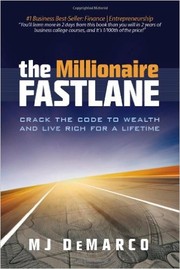
The Millionaire Fastlane by MJ DeMarco book cover

★★★★½4.6/5

The verdict: A ranty, energising attack on slow-lane get-rich-eventually advice.

🎧 Listen free on Audible
Try Kindle Unlimited
Buy the paperback

⚡ Quick answerThe Millionaire Fastlane by MJ DeMarco gets 4.6/5 from me. A ranty, energising attack on slow-lane get-rich-eventually advice. Freelancers who are just selling hours and want to think bigger about scale.

What is The Millionaire Fastlane about?

DeMarco attacks the conventional wisdom of working, saving and investing for forty years, and argues instead for the fastlane: building a business that can create wealth quickly by serving many people and scaling beyond your own hours.

The Millionaire Fastlane summary

DeMarco splits the world into three financial roadmaps. The sidewalk is living for today with no plan, spending everything and ending up broke. The slowlane is the conventional path: get a job, save hard, invest in index funds, and hope to be wealthy by retirement. The fastlane is his alternative: build a business that can grow fast and produce wealth while you are young enough to enjoy it.

His central complaint with the slowlane is that it trades your most valuable, finite resource, time, for money, and makes your wealth dependent on decades and on factors you do not control. The fastlane instead relies on what he calls the five commandments, business qualities like control, scale and detachment from your time, that let income grow independently of the hours you put in.

The tone is blunt and ranty, and he is scornful of gurus and slow-lane orthodoxy alike. Underneath the noise is a genuine argument about building income that scales and detaches from your time, which is the heart of moving from freelancer to business owner.

Published in 2011, it became a cult favourite in entrepreneurial circles for its attack on conventional wealth advice. It is aimed at people who reject the work-save-wait model and want to build wealth through business.

The one idea worth the price: Wealth built by trading time for money is capped by your hours. Build something that makes money without you in every transaction.

Key ideas and takeaways

  • Three roadmaps. Sidewalk, slowlane and fastlane, and only one builds real wealth fast.
  • Time over money. Your finite time is worth more than the money a job trades it for.
  • Scale and control. Real wealth comes from businesses you control that scale beyond your hours.
  • Detach income from time. Build income that grows without you being in every transaction.

My honest take

This is a book to read when you catch yourself accepting that wealth has to take forty years. DeMarco's rant against the save-and-wait model is bracing, and his core point, that trading your hours for money caps you, is one every freelancer needs to sit with.

Because that is the trap: going self-employed but still selling hours, just at a higher rate, is really just a better-paid job with worse security. DeMarco pushes you to think about scale and systems that detach income from your time. The delivery is over the top and he is dismissive of things that have their place, but the central challenge is a valuable one.

It pairs well with The E-Myth. Gerber shows you how to build a business that runs without you; DeMarco gives you the fire to want to in the first place, and the argument for why it matters.

The honest caveat: The tone is ranty and repetitive, and he is unfairly dismissive of sensible slow-lane investing, which suits plenty of people fine. Take the challenge, not the absolutism.

Where it falls short

  • Repetitive and combative in tone.
  • Too dismissive of conventional investing, which is a sound path for many.

How it compares

The E-Myth shows you how to build a business that runs without you; The Millionaire Fastlane gives you the motivation and the reason to. Read DeMarco for the fire and Gerber for the method.

Who should read it (and who should skip it)

Freelancers who are just selling hours and want to think bigger about scale. Skip it if the ranty tone will put you off, or you are happy with a steady slow-lane plan.

Best format: Audio suits the energetic delivery; Kindle if you want to note the commandments.

How to actually use it if you are self-employed

  • Ask whether your business would earn anything if you stopped working for a month.
  • Identify one part of your offer that could scale beyond your hours.
  • Sketch one product or system that does not need you in every sale.
⚡ The 60-second recap

  • Trading hours for money caps your wealth.
  • Build something that scales beyond your time.
  • Control and scale are what create fastlane wealth.
A book is a shortcut. A second pair of eyes is faster.

Twenty years self-employed, 500+ people coached. If you want help applying this to your own situation, book a free discovery call.

Book a free discovery call

Frequently asked questions

What is the fastlane?

Building a business that can create wealth quickly by scaling and detaching income from your own hours, rather than saving for decades.

Is it against saving and investing?

It is dismissive of relying on them alone, though conventional investing suits many people fine. Take the challenge with a pinch of salt.

Who is it best for?

Freelancers and would-be founders who want to build income that scales beyond their time.

Is it practical?

More motivational and conceptual than step-by-step, so pair it with a how-to book.

Is the tone off-putting?

It can be ranty and combative. If that grates, focus on the core argument about scale.

Final verdict

The Millionaire Fastlane earns 4.6/5. A ranty, energising attack on slow-lane get-rich-eventually advice. If it is the stage you are at, the cheapest way in is a free Audible trial or Kindle Unlimited.

Disclosure: Some links in this article are affiliate links. If you buy through them I may earn a small commission, at no extra cost to you. Star ratings are my own editorial scores.
Categories
BOOK REVIEWS

I Will Teach You to Be Rich Review and Summary

An I Will Teach You to Be Rich review and summary: Ramit Sethi's practical six-week system for automating your finances and spending guilt-free on what you love.

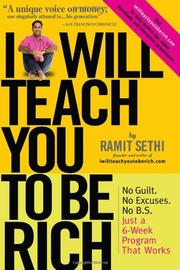
I Will Teach You to Be Rich by Ramit Sethi book cover

★★★★½4.6/5

The verdict: A no-nonsense system for automating your money so you can stop thinking about it.

🎧 Listen free on Audible
Try Kindle Unlimited
Buy the paperback

⚡ Quick answerI Will Teach You to Be Rich by Ramit Sethi gets 4.6/5 from me. A no-nonsense system for automating your money so you can stop thinking about it. Anyone who earns reasonably but never gets round to organising their money.

What is I Will Teach You to Be Rich about?

Sethi gives a practical, six-week programme for sorting your money: cutting fees, automating savings and bills, and setting things up so your finances largely run themselves, leaving you free to spend on what you actually enjoy.

I Will Teach You to Be Rich summary

Sethi's approach is deliberately unglamorous and systems-based. Rather than preaching frugality, he argues you should cut costs mercilessly on the things you do not care about so you can spend freely on the things you do, what he calls conscious spending.

The book is structured as a six-week action plan. It walks through optimising credit cards and bank accounts, beating fees, opening the right savings and investment accounts, and then the centrepiece: automating the whole system so money flows to bills, savings and investments the moment you are paid. He is a strong advocate of low-cost index investing and of not agonising over small decisions, arguing that getting the big things automated matters far more than fretting over a coffee.

The updated edition brings the specifics current. The tone is brash and funny, aimed at a younger audience, but underneath it is one of the most genuinely actionable personal-finance systems around, with a useful section for freelancers and irregular income.

First published in 2009 and substantially updated in 2019, it became a modern personal-finance staple aimed at a younger generation. It is aimed at people who want their money organised without becoming obsessed with budgeting.

The one idea worth the price: Automate the boring big decisions once, so your money sorts itself every month and you can spend guilt-free on what you love.

Key ideas and takeaways

  • Conscious spending. Cut hard on what you do not value so you can spend freely on what you do.
  • Automate everything. Set money to flow to bills, savings and investing automatically.
  • Big wins over small guilt. Sorting the big things beats agonising over a coffee.
  • Invest simply. Low-cost index funds beat trying to be clever.

My honest take

This is the most practical money book on the list, and the one to reach for once The Psychology of Money has sorted your head out. Where Housel gives you the mindset, Sethi gives you the actual steps: which accounts, in what order, automated how.

The automation idea is the killer. Set your money to move itself the day you are paid, and you remove willpower from the equation entirely. For the self-employed, whose income is irregular and whose finances are easy to ignore, the section on handling variable income alone earns it a spot. The tone is loud and American, but the system underneath is genuinely useful.

The conscious-spending idea deserves special mention because it removes the guilt so many people carry. You are allowed to spend generously on what you love, provided you are ruthless on what you do not. That balance is healthier than the deprivation most money books push.

The honest caveat: The tone is brash and aimed at a younger, American audience, and some account specifics need translating for the UK. The system and principles carry across fine.

Where it falls short

  • The specific accounts and products are US-focused, so UK readers adapt them.
  • The loud, jokey tone will not suit everyone, especially older readers.

How it compares

The Psychology of Money sorts your mindset; I Will Teach You to Be Rich gives you the step-by-step system to act on it. Read Housel first, then Sethi to actually set things up.

Who should read it (and who should skip it)

Anyone who earns reasonably but never gets round to organising their money. Skip it if your finances are already automated and optimised.

Best format: Kindle or paper, because you will want to work through the six-week plan.

How to actually use it if you are self-employed

  • Set up automatic transfers to savings and tax the day you are paid.
  • List what you love spending on and what you do not, then cut the second hard.
  • Check the fees on your accounts and cards and kill the worst ones.
⚡ The 60-second recap

  • Cut hard on what you do not value, spend freely on what you do.
  • Automate money the day you are paid.
  • Keep investing simple with low-cost funds.
A book is a shortcut. A second pair of eyes is faster.

Twenty years self-employed, 500+ people coached. If you want help applying this to your own situation, book a free discovery call.

Book a free discovery call

Frequently asked questions

Is it UK-friendly?

The principles are, but the specific accounts and products are US-based, so you adapt those to UK equivalents.

Is it about being frugal?

No. It is about conscious spending: cutting hard on what you do not value so you can spend freely on what you do.

Is it good for freelancers?

Yes. The updated edition has a solid section on managing irregular, self-employed income.

Which edition should I read?

The updated 2019 edition, which brings the specifics current.

Do I need investing knowledge?

No. It walks you through simple, low-cost investing from scratch.

Final verdict

I Will Teach You to Be Rich earns 4.6/5. A no-nonsense system for automating your money so you can stop thinking about it. If it is the stage you are at, the cheapest way in is a free Audible trial or Kindle Unlimited.

Disclosure: Some links in this article are affiliate links. If you buy through them I may earn a small commission, at no extra cost to you. Star ratings are my own editorial scores.
Categories
BOOK REVIEWS

Money Review and Summary

A Money by Rob Moore review and summary: a UK entrepreneur's direct, practical guide to earning, keeping and thinking about money.

Money by Rob Moore book cover

★★★★½4.5/5

The verdict: A blunt British take on wealth, minus the American gloss.

🎧 Listen free on Audible
Try Kindle Unlimited
Buy the paperback

⚡ Quick answerMoney by Rob Moore gets 4.5/5 from me. A blunt British take on wealth, minus the American gloss. UK readers who want a relatable, British take on wealth and mindset.

What is Money about?

Rob Moore, a UK entrepreneur, sets out his beliefs and methods around money: how to earn more, keep more and give more, delivered in a blunt, British, no-nonsense style.

Money summary

Moore's book is a broad take on money from a British perspective, which sets it apart from a genre dominated by American voices. Its subtitle, know more, make more, give more, sums up the arc: understand money better, use that to earn more, and put some of it to good use.

He covers money beliefs and the emotional baggage many people carry about wealth, arguing you have to fix your mindset before the methods work. From there he moves into practical territory: raising your income, the difference between earned and other forms of income, managing and multiplying money, and his own experience going from broke and in debt to wealthy. There is a strong self-development thread throughout, tying money to purpose and self-worth.

The tone is direct and occasionally over the top, very much in Moore's own voice. It is less structured than some money books and more a collection of his hard-won principles, but the British framing and blunt delivery make it a useful, relatable read for a UK audience.

Published in 2018 by a well-known UK entrepreneur, it brought a distinctly British voice to a genre dominated by American authors. It is aimed at UK readers who want a relatable take on earning and managing money.

The one idea worth the price: Fix your beliefs about money before your methods. Most people's money problem starts in their head, not their bank account.

Key ideas and takeaways

  • Money beliefs first. Sort the emotional baggage before the tactics.
  • Know more, make more. Understanding money is the route to earning more of it.
  • Multiple income types. Move beyond only earned income.
  • Give more. Wealth is tied to purpose, not just accumulation.

My honest take

It is refreshing to have a money book written from a British point of view, without the American gloss that makes so much of the genre feel foreign. Moore has been broke and in debt himself, and that grounding shows; he is blunt about the mindset side in a way UK readers will recognise.

He can be over the top, and the book is more a collection of principles than a tidy system. But for someone here in the UK who bounces off the Cardone-style American material, this is a more relatable voice covering similar ground. Take the mindset work seriously and the practical bits as a starting point.

It works well as a British counterpart to The Psychology of Money. Housel is calmer and more polished; Moore is blunter and more personal, but both push the same truth that your relationship with money matters more than the maths.

The honest caveat: It is less structured than some money books and the tone can tip into hype and self-promotion. Take the mindset lessons and treat the delivery as background.

Where it falls short

  • Loosely structured, more a set of principles than a system.
  • The tone occasionally veers into hype and self-promotion.

How it compares

The Psychology of Money is the calmer, more polished take on money mindset; Money is the blunter, British counterpart. Read Housel for the craft and Moore for the home-grown directness.

Who should read it (and who should skip it)

UK readers who want a relatable, British take on wealth and mindset. Skip it if you prefer a tightly structured, tactical money system.

Best format: Audio or Kindle; it reads like Moore talking, which suits listening.

How to actually use it if you are self-employed

  • Write down the beliefs about money you picked up growing up, and question them.
  • Identify one way to add income beyond your main earned source.
  • Set a simple giving or saving rule you can stick to.
⚡ The 60-second recap

  • Fix your money beliefs first.
  • Understand money to earn more.
  • Build income beyond your wages, and give some back.
A book is a shortcut. A second pair of eyes is faster.

Twenty years self-employed, 500+ people coached. If you want help applying this to your own situation, book a free discovery call.

Book a free discovery call

Frequently asked questions

Is it a UK-focused money book?

Yes. Rob Moore is a British entrepreneur, which makes it more relatable for UK readers than most of the genre.

Is it practical or mindset-focused?

Both, with a strong emphasis on fixing your money beliefs before the practical methods.

Who is it best for?

UK readers who want a direct, relatable take on wealth and mindset.

How does it compare to American money books?

Similar ground, but without the American framing, which many UK readers find easier to relate to.

Is the tone off-putting?

It can be blunt and a little self-promotional, but the honesty about his own past struggles balances it.

Final verdict

Money earns 4.5/5. A blunt British take on wealth, minus the American gloss. If it is the stage you are at, the cheapest way in is a free Audible trial or Kindle Unlimited.

Disclosure: Some links in this article are affiliate links. If you buy through them I may earn a small commission, at no extra cost to you. Star ratings are my own editorial scores.
Categories
BOOK REVIEWS

The 10X Rule Review and Summary

A 10X Rule review and summary: Grant Cardone's case for setting bigger targets and taking far more action than you think you need.

The 10X Rule by Grant Cardone book cover

★★★★½4.5/5

The verdict: Loud, relentless and a lot, but the point about massive action lands.

🎧 Listen free on Audible
Try Kindle Unlimited
Buy the paperback

⚡ Quick answerThe 10X Rule by Grant Cardone gets 4.5/5 from me. Loud, relentless and a lot, but the point about massive action lands. Anyone playing too small and setting timid, comfortable goals.

What is The 10X Rule about?

Cardone argues that most people fail because they set targets too low and take too little action. His 10X Rule says to aim ten times higher and act ten times harder than you think is required.

The 10X Rule summary

Cardone's premise is blunt: the main reason people fall short is that they underestimate what a goal will take and then under-deliver on effort. His answer is the 10X Rule, which has two parts. Set targets ten times bigger than you think you should, and take ten times more action than you think is needed to hit them.

He argues that ordinary levels of action produce ordinary, fragile results, and that massive action is the only thing that reliably breaks through, while also throwing off unexpected opportunities along the way. He dismisses the middle-class goal of comfort as a trap, pushes readers to treat success as a duty rather than an option, and spends much of the book attacking excuses, fear and average thinking.

The tone is relentless and self-promotional, which is either motivating or exhausting depending on your taste. Underneath the volume, though, is a genuine and useful point about the gap between the effort people plan for and the effort success actually takes.

Published in 2011, it became one of Cardone's signature books and a staple of the high-energy success genre. It is aimed at people who set safe goals and take too little action to reach them.

The one idea worth the price: Whatever you think a goal will take, you have underestimated it. Set the target higher and take far more action than feels reasonable.

Key ideas and takeaways

  • Set 10X targets. Aim far higher than feels sensible.
  • Take 10X action. Massive action, not average effort, is what breaks through.
  • Kill excuses. Fear and average thinking are the real enemies.
  • Success as duty. Treat success as an obligation, not an option.

My honest take

Cardone is a lot, and I will not pretend otherwise. The relentless intensity and self-promotion put plenty of people off, and that is fair. But if you strip away the volume, there is a real and useful idea here: most people badly underestimate the effort success takes, then quit when their modest effort produces modest results.

The 10X reframe fixes that. Set the target far higher and plan for far more action than feels comfortable, and even falling short leaves you well ahead of where timid goals would have. I do not buy the whole obsession-above-all lifestyle, but for someone playing too small and too safe, this is a useful, if loud, corrective.

Take it as a dose, not a diet. Read it when you catch yourself sandbagging your goals, use the reframe, and do not feel obliged to adopt the entire always-on philosophy that comes with it.

The honest caveat: The tone is relentless, self-promotional and light on nuance around balance and burnout. Take the core reframe and leave the lifestyle.

Where it falls short

  • Repetitive, hype-heavy and heavy on self-promotion.
  • Little regard for balance or burnout, so apply the drive with your own limits in mind.

How it compares

Think and Grow Rich is the calm, original source for the desire-and-action message; The 10X Rule is the loud modern remix. Read Hill for the blueprint and Cardone for the high-energy push.

Who should read it (and who should skip it)

Anyone playing too small and setting timid, comfortable goals. Skip it if hype and intensity put you off, or if you already push yourself hard.

Best format: Audio suits the high-energy delivery, though the message is simple enough to get quickly.

How to actually use it if you are self-employed

  • Take your current main goal and multiply it by ten, then plan for it.
  • List the actions you planned, then multiply the volume.
  • Catch one excuse this week and act instead.
⚡ The 60-second recap

  • Set targets far bigger than feel sensible.
  • Take massive action, not average effort.
  • Most people simply underestimate what it takes.
A book is a shortcut. A second pair of eyes is faster.

Twenty years self-employed, 500+ people coached. If you want help applying this to your own situation, book a free discovery call.

Book a free discovery call

Frequently asked questions

What is the 10X Rule?

Set targets ten times bigger than you think you should, and take ten times more action than you think is needed.

Is it worth reading given the hype?

If you can filter the tone, the core point about massive action is genuinely useful.

Who is it best for?

People who play it too safe and set timid goals. It is a corrective for under-ambition.

Is it repetitive?

Yes. The single idea is hammered hard, which is either motivating or wearing depending on you.

Does it ignore burnout?

Largely, yes. Take the drive but set your own sensible limits.

Final verdict

The 10X Rule earns 4.5/5. Loud, relentless and a lot, but the point about massive action lands. If it is the stage you are at, the cheapest way in is a free Audible trial or Kindle Unlimited.

Disclosure: Some links in this article are affiliate links. If you buy through them I may earn a small commission, at no extra cost to you. Star ratings are my own editorial scores.
Categories
BOOK REVIEWS

The Psychology of Money Review and Summary

A Psychology of Money review and summary: Morgan Housel on why doing well with money is about behaviour, not intelligence.

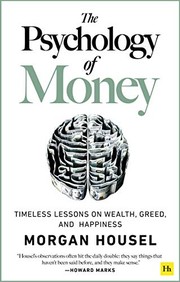
The Psychology of Money by Morgan Housel book cover

★★★★½4.7/5

The verdict: The rare money book about behaviour, not spreadsheets, and it is superb.

🎧 Listen free on Audible
Try Kindle Unlimited
Buy the paperback

⚡ Quick answerThe Psychology of Money by Morgan Housel gets 4.7/5 from me. The rare money book about behaviour, not spreadsheets, and it is superb. Everyone, but especially the self-employed with irregular income and an anxious relationship with money.

What is The Psychology of Money about?

Housel argues that financial success has less to do with how much you know and more to do with how you behave. Through nineteen short stories, he explores the psychology behind how people handle money.

The Psychology of Money summary

Housel's central idea is that money is not a hard science governed by formulas but a soft skill, where how you behave matters more than what you know. A genius who loses control of their emotions can be a financial disaster, while an ordinary person with patience and discipline can do very well.

The book is a set of nineteen largely standalone chapters, each making one point through a story. He covers the role of luck and risk, the power of compounding and why we underrate it, the difference between being rich and being wealthy, the value of enough and knowing when to stop, and why saving is more about humility and freedom than income. A recurring theme is that reasonable decisions you can stick with beat optimal ones you cannot.

Because the chapters are short and story-led, it is an easy, pleasant read that still leaves you with ideas you keep coming back to. It is less about what to do with money and more about how to think about it.

Published in 2020, it became a word-of-mouth bestseller and one of the most recommended money books of recent years. It is aimed at anyone who wants to think more clearly about money, regardless of how much they have.

The one idea worth the price: Doing well with money is mostly about behaviour, not brains. Reasonable decisions you can stick to beat perfect ones you cannot.

Key ideas and takeaways

  • Behaviour over brains. Temperament matters more than intelligence with money.
  • The power of enough. Knowing when you have enough prevents ruinous risk.
  • Compounding is underrated. The biggest gains come from time and patience.
  • Reasonable beats optimal. A plan you can stick to wins over a perfect one you abandon.

My honest take

This is my favourite money book on the list, and the one I would hand to almost anyone. It sidesteps the usual spreadsheets and instead deals with the real reason people struggle with money, which is behaviour, emotion and story.

Housel writes beautifully and the short chapters make it a genuine pleasure to read. The ideas stick: the value of enough, the danger of moving the goalposts, the quiet power of patience. For the self-employed, whose income is lumpy and whose relationship with money is often fraught, it is grounding in a way few finance books manage. I reread bits of it regularly.

There is not much to criticise, other than that it is deliberately about principles rather than specific tactics. If you want to know which account to open or which fund to buy, this is not that book, and it is better for it.

The honest caveat: It is about mindset and principles, not specific tactics, so it will not tell you exactly what to invest in or how. That is by design, but worth knowing.

Where it falls short

  • Deliberately light on concrete, do-this financial steps.
  • A couple of chapters cover similar ground, though the quality stays high.

How it compares

Where Rich Dad Poor Dad is the blunt wake-up call, The Psychology of Money is the wiser, calmer follow-up. Read Kiyosaki for the jolt and Housel for the wisdom.

Who should read it (and who should skip it)

Everyone, but especially the self-employed with irregular income and an anxious relationship with money. Hard to think of who should skip it.

Best format: Audio is excellent, as the short stories carry beautifully, though Kindle is nice for noting the lines you will want to keep.

How to actually use it if you are self-employed

  • Define what enough looks like for you, so you know when to stop taking risks.
  • Automate saving a fixed share of irregular income.
  • Judge financial decisions by whether you can stick to them, not whether they are optimal.
⚡ The 60-second recap

  • Behaviour beats intelligence with money.
  • Know your enough and protect it.
  • Let compounding and patience do the work.
A book is a shortcut. A second pair of eyes is faster.

Twenty years self-employed, 500+ people coached. If you want help applying this to your own situation, book a free discovery call.

Book a free discovery call

Frequently asked questions

Is it a how-to money book?

No. It is about behaviour and mindset rather than specific tactics, which is what makes it stand out.

Do I need finance knowledge to read it?

None at all. It is written in plain language through stories anyone can follow.

Why is it so highly recommended?

Because it addresses the real reason people struggle with money, behaviour, rather than just the maths.

Is the audiobook good?

Yes, the short story-led chapters work very well on audio.

What should I read alongside it?

Profit First for a practical system, or The Richest Man in Babylon for the timeless basics.

Final verdict

The Psychology of Money earns 4.7/5. The rare money book about behaviour, not spreadsheets, and it is superb. If it is the stage you are at, the cheapest way in is a free Audible trial or Kindle Unlimited.

Disclosure: Some links in this article are affiliate links. If you buy through them I may earn a small commission, at no extra cost to you. Star ratings are my own editorial scores.
Categories
BOOK REVIEWS

Profit First Review and Summary

A Profit First review and summary: Mike Michalowicz's system for making sure your business actually pays you a profit.

Profit First by Mike Michalowicz book cover

★★★★½4.6/5

The verdict: The simple accounting habit that ends the feast-and-famine cycle.

🎧 Listen free on Audible
Try Kindle Unlimited
Buy the paperback

⚡ Quick answerProfit First by Mike Michalowicz gets 4.6/5 from me. The simple accounting habit that ends the feast-and-famine cycle. Freelancers and owners who earn well but never keep a profit.

What is Profit First about?

Michalowicz flips the usual accounting formula. Instead of profit being what is left after expenses, you take profit first and run the business on what remains, using a simple system of separate bank accounts.

Profit First summary

Michalowicz starts from a problem most business owners recognise: money comes in, money goes out, and somehow there is never any profit left. The usual formula, sales minus expenses equals profit, leaves profit as an afterthought that never arrives.

His fix is to reverse it: sales minus profit equals expenses. You take a set percentage as profit first, along with allocations for your own pay and tax, and force the business to run on what is left. The mechanism is deliberately simple, several separate bank accounts, so that the money for profit, tax and pay is physically moved out of reach before you can spend it on running costs.

He builds on the idea that most people manage money by what they see in the main account, so by keeping temptation out of sight, the system works with human nature rather than against it. It is behavioural accounting for people who are not accountants, and its simplicity is the point.

Published in 2014 and revised since, it became a popular system among small-business owners and freelancers. It is aimed at people who make money but struggle to hold on to any of it.

The one idea worth the price: Take your profit first and force the business to live on what is left. Left to the end, profit never shows up.

Key ideas and takeaways

  • Profit first. Reserve profit before expenses, not after.
  • Separate accounts. Move profit, tax and pay out of the main account so you cannot spend them.
  • Work with human nature. People spend what they see, so hide what should not be spent.
  • Small percentages, regularly. Start with modest allocations and increase them over time.

My honest take

This is the money book I recommend to freelancers who earn decent money but never seem to keep any. The clever part is not the accounting, it is the behaviour: by moving profit, tax and your pay into separate accounts the moment money lands, you stop the business quietly eating everything.

So many self-employed people run everything from one account, see a healthy balance and spend it, then panic at tax time. Michalowicz's system is simple enough to actually stick to, which matters far more than being clever. Twenty years in, the people I have seen stay solvent are the ones with a system like this, whatever they call it.

It is repetitive and a little evangelical, and if you already run tight books you may find it basic. But for the many people who avoid looking at their finances at all, its simplicity is exactly why it works where spreadsheets have failed.

The honest caveat: It repeats itself and can feel like an infomercial for the method at times. If you already have disciplined financial systems, it will feel basic.

Where it falls short

  • Repetitive and a touch evangelical about the system.
  • Aimed at people with no system, so experienced owners find it simplistic.

How it compares

The Psychology of Money explains why we behave badly with money; Profit First gives you a mechanical system that works around that behaviour. Read Housel for the why and Michalowicz for the how.

Who should read it (and who should skip it)

Freelancers and owners who earn well but never keep a profit. Skip it if your financial systems are already solid.

Best format: Kindle or audio; it is more concept than reference, though the account setup is worth noting.

How to actually use it if you are self-employed

  • Open separate accounts for profit, tax and your own pay.
  • Move a small percentage into each the moment money comes in.
  • Run the business on what is left, and raise the percentages over time.
⚡ The 60-second recap

  • Take profit first, run on what is left.
  • Use separate accounts to hide money from yourself.
  • Keep it simple so you actually stick to it.
A book is a shortcut. A second pair of eyes is faster.

Twenty years self-employed, 500+ people coached. If you want help applying this to your own situation, book a free discovery call.

Book a free discovery call

Frequently asked questions

What is the Profit First formula?

Sales minus profit equals expenses. You take profit first and run the business on what remains.

Do I really need separate accounts?

They are the heart of the system. Physically separating the money is what stops you spending it.

Is it for freelancers or bigger businesses?

Both, but it is especially useful for freelancers and small owners with no financial system yet.

Is it complicated to set up?

No. The whole point is simplicity, a handful of accounts and regular transfers.

Will my accountant approve?

Many do, as it enforces tax and profit discipline. Check the specifics for UK tax with yours.

Final verdict

Profit First earns 4.6/5. The simple accounting habit that ends the feast-and-famine cycle. If it is the stage you are at, the cheapest way in is a free Audible trial or Kindle Unlimited.

Disclosure: Some links in this article are affiliate links. If you buy through them I may earn a small commission, at no extra cost to you. Star ratings are my own editorial scores.
Categories
BOOK REVIEWS

Day Trading Attention Review and Summary

A Day Trading Attention review and summary: Gary Vaynerchuk's up-to-date guide to winning attention across today's social platforms.

Day Trading AttentionGary Vaynerchuk

★★★★½4.5/5

The verdict: Vaynerchuk's current playbook for organic reach: skip the hype, keep the breakdowns.

🎧 Listen free on Audible
Try Kindle Unlimited
Buy the paperback

⚡ Quick answerDay Trading Attention by Gary Vaynerchuk gets 4.5/5 from me. Vaynerchuk's current playbook for organic reach: skip the hype, keep the breakdowns. Anyone building an audience or brand on social platforms right now.

What is Day Trading Attention about?

Vaynerchuk argues that attention is the asset that matters most now, and lays out how to earn it organically across modern social platforms through content built for how people actually scroll.

Day Trading Attention summary

Vaynerchuk's central claim is that the businesses winning today are the ones that understand where attention is cheap and how to capture it, and that right now organic social content offers reach that would once have cost a fortune in ads. The book is his current thinking on how to do that.

He breaks down the idea of creating large volumes of content, then using the best-performing pieces to guide what you make next, a test-and-learn approach to attention. A large part of the book goes platform by platform, covering the formats and behaviours that work on each, and the idea of modelling content on what already gets engagement rather than guessing. He ties it to a simple commercial point: attention is only useful if it eventually leads to sales, so the content has to connect to an offer.

The tone is high-energy and repetitive in places, which is very Vaynerchuk. Underneath it is a genuinely useful, current breakdown of organic reach that most older marketing books cannot offer.

Published in 2024, it is Vaynerchuk's updated take on modern social-media marketing and one of the more current books on this list. It is aimed at business owners and creators trying to win attention organically today.

The one idea worth the price: Attention is the cheapest it will ever be on the platforms most people are ignoring. Make content built for how people actually scroll, not how you wish they did.

Key ideas and takeaways

  • Attention is the asset. The scarce, valuable thing now is attention, and organic reach is underpriced.
  • Volume then double down. Make a lot, then lean into what performs.
  • Platform-native content. Match the format and behaviour of each platform.
  • Attention must convert. Reach only counts if it eventually leads to a sale.

My honest take

This is the one genuinely current book in the marketing section, and that is its main value. A lot of marketing classics were written before the platforms most of us now rely on existed, and Vaynerchuk's breakdowns of how organic reach works today fill that gap.

You do have to filter the hype. He is high-energy and repetitive, and not every reader enjoys the tone. But the platform-by-platform detail and the test-and-learn approach to content are practical and up to date, which for anyone building an audience right now is exactly what is needed. Take the tactics, leave the volume.

It pairs well with $100M Leads. Hormozi gives you the framework for where leads come from; Vaynerchuk goes deeper on the organic-content channel specifically, which is where a lot of self-employed people get their cheapest reach.

The honest caveat: The tone is hype-heavy and repetitive, and platform tactics date fast, so treat the specifics as a snapshot. The underlying approach to attention lasts longer than any single tactic.

Where it falls short

  • High-energy, repetitive style that grates on some readers.
  • Platform-specific tactics will date as the platforms change.

How it compares

$100M Leads covers all the ways to get seen; Day Trading Attention goes deep on the organic-content channel specifically. Read Hormozi for the map and Vaynerchuk for the social detail.

Who should read it (and who should skip it)

Anyone building an audience or brand on social platforms right now. Skip it if organic social is not part of your plan.

Best format: Kindle or paper for the platform breakdowns; audio loses the visual examples.

How to actually use it if you are self-employed

  • Pick one platform and study what already gets engagement in your niche.
  • Commit to a volume of content, then double down on your best performers.
  • Make sure each piece connects, eventually, to something you sell.
⚡ The 60-second recap

  • Attention is the asset; organic reach is underpriced.
  • Make volume, then double down on what works.
  • Turn attention into sales, not just views.
A book is a shortcut. A second pair of eyes is faster.

Twenty years self-employed, 500+ people coached. If you want help applying this to your own situation, book a free discovery call.

Book a free discovery call

Frequently asked questions

What does day trading attention mean?

Treating attention like a market: spotting where reach is currently cheap and moving quickly to capture it with the right content.

Is it up to date?

Yes. Published in 2024, it is one of the more current marketing books, though platform tactics always date eventually.

Who is it for?

People building an audience or brand on social platforms right now.

Is the tone off-putting?

It is high-energy and repetitive, which some love and some do not. The tactics are worth filtering for.

Do I need to be on every platform?

No. The book helps you pick where your attention is best spent rather than spreading thin.

Final verdict

Day Trading Attention earns 4.5/5. Vaynerchuk's current playbook for organic reach: skip the hype, keep the breakdowns. If it is the stage you are at, the cheapest way in is a free Audible trial or Kindle Unlimited.
Disclosure: Some links in this article are affiliate links. If you buy through them I may earn a small commission, at no extra cost to you. Star ratings are my own editorial scores.
Categories
BOOK REVIEWS

Oversubscribed Review and Summary

An Oversubscribed review and summary: Daniel Priestley's method for creating more demand than you can supply.

Oversubscribed by Daniel Priestley book cover

★★★★½4.6/5

The verdict: How to build a business people queue for, instead of chasing every sale.

🎧 Listen free on Audible
Try Kindle Unlimited
Buy the paperback

⚡ Quick answerOversubscribed by Daniel Priestley gets 4.6/5 from me. How to build a business people queue for, instead of chasing every sale. Service providers, coaches and consultants stuck in feast-and-famine.

What is Oversubscribed about?

Priestley explains how to become oversubscribed: to have more demand than you can meet, so you set the terms, charge well and stop chasing work. It is about engineering demand rather than hoping for it.

Oversubscribed summary

Priestley's premise is that the healthiest position for any business is to be oversubscribed, with more people wanting what you offer than you can serve. Being oversubscribed lets you choose your clients, raise your prices and work without the constant anxiety of where the next job comes from.

He argues demand is not luck; it is engineered. The book explains how to build anticipation before a launch, cultivate a warm audience over time, and use signals of scarcity and popularity honestly so that when you do open your doors, people are ready to buy. He introduces the idea of a market being in balance, in your favour or against you, and how to tip it in your favour through relationships and timing.

It is practical and grounded in Priestley's own experience running events and businesses. For service providers who live feast to famine, it reframes the whole problem from finding customers to building demand you can then release.

Published in 2015, it became a popular playbook among coaches, consultants and event-based businesses. It is aimed at service providers who want reliable demand instead of chasing every sale.

The one idea worth the price: Build the demand before you need the sale. When more people want you than you can serve, everything else gets easier.

Key ideas and takeaways

  • Engineer demand. Demand is built deliberately, not left to luck.
  • Warm the audience. Cultivate relationships before you ever ask for a sale.
  • Honest scarcity. Real limits on your time or spots make people act.
  • Choose your clients. Being oversubscribed lets you pick, price and set terms.

My honest take

This is the best of Priestley's books for a service business, and it tackles the single most stressful part of self-employment: the feast-and-famine cycle. Instead of chasing customers when the pipeline runs dry, he shows you how to build steady demand so you are the one choosing.

The reframe is the valuable bit. Most people think their problem is finding clients. Priestley argues the real job is building an audience and anticipation over time, so that selling becomes releasing demand rather than hunting for it. For anyone who dreads the quiet months, that shift is worth a lot.

It sits naturally alongside Key Person of Influence, his other book on this list. That one is about becoming known in your field; this one is about turning that reputation into a queue of people ready to buy.

The honest caveat: Like his other work, it points towards Priestley's own programmes, and some examples suit event-based businesses best. The core principle of building demand applies to almost anyone.

Where it falls short

  • A promotional undertone towards the author's own programmes.
  • Examples lean towards launches and events, so steady-service businesses adapt the specifics.

How it compares

Key Person of Influence makes you known; Oversubscribed turns that into a queue of buyers. Read them together for Priestley's full approach to standing out and selling out.

Who should read it (and who should skip it)

Service providers, coaches and consultants stuck in feast-and-famine. Skip it if you already have steady, reliable demand.

Best format: Kindle or audio; it is brisk and readable either way.

How to actually use it if you are self-employed

  • Start building a warm audience now, before you next need sales.
  • Plan your next offer with a real, honest limit on places.
  • Track demand so you launch when interest is high, not when cash is low.
⚡ The 60-second recap

  • Aim to be oversubscribed, with demand beyond supply.
  • Build audience and anticipation before selling.
  • Use honest scarcity and choose your clients.
A book is a shortcut. A second pair of eyes is faster.

Twenty years self-employed, 500+ people coached. If you want help applying this to your own situation, book a free discovery call.

Book a free discovery call

Frequently asked questions

What does oversubscribed mean?

Having more demand than you can supply, so you can choose clients, raise prices and stop chasing work.

Is demand really something you can build?

Priestley argues yes, through relationships, anticipation and honest scarcity, rather than leaving it to luck.

Who is it best for?

Service providers, coaches and consultants who suffer from feast-and-famine income.

Should I read Key Person of Influence first?

Either order works. KPI is about becoming known; Oversubscribed is about converting that into demand.

Does it only work for launches?

Launches are the clearest example, but the demand-building principle applies to ongoing services too.

Final verdict

Oversubscribed earns 4.6/5. How to build a business people queue for, instead of chasing every sale. If it is the stage you are at, the cheapest way in is a free Audible trial or Kindle Unlimited.

Disclosure: Some links in this article are affiliate links. If you buy through them I may earn a small commission, at no extra cost to you. Star ratings are my own editorial scores.
Categories
BOOK REVIEWS

This Is Marketing Review and Summary

A This Is Marketing review and summary: Seth Godin's case for serving the smallest viable audience instead of trying to reach everyone.

This Is Marketing by Seth Godin book cover

★★★★½4.4/5

The verdict: Marketing as service, not shouting: Godin at his most useful.

🎧 Listen free on Audible
Try Kindle Unlimited
Buy the paperback

⚡ Quick answerThis Is Marketing by Seth Godin gets 4.4/5 from me. Marketing as service, not shouting: Godin at his most useful. Freelancers and small businesses who dislike pushy marketing and want a service-led approach.

What is This Is Marketing about?

Godin reframes marketing away from spam and interruption towards service: understanding a specific group of people deeply and helping them get where they want to go. It is marketing with empathy at its centre.

This Is Marketing summary

Godin's argument is that good marketing is not about tricks, ads or reaching everyone. It is about seeing a specific group of people clearly, understanding what they want and believe, and making something that genuinely helps them, then telling a true story about it.

A central idea is the smallest viable audience: rather than watering down your work to appeal to everyone, choose the smallest group you can serve brilliantly, and serve them so well they tell others. He covers positioning, the importance of tension and change in marketing, status and belonging as drivers of behaviour, and permission marketing, earning the right to speak to people rather than interrupting them.

It is more a way of thinking than a step-by-step manual. Godin writes in short, aphoristic sections that reward slow reading, and the overall effect is to make marketing feel less grubby and more like a craft of service.

Published in 2018, it distilled decades of Godin's thinking into a single volume and became a modern marketing staple. It is aimed at people who want to market with integrity rather than interruption.

The one idea worth the price: Stop trying to reach everyone. Find the smallest audience you can serve brilliantly, and serve them so well they bring the others.

Key ideas and takeaways

  • Smallest viable audience. Serve a specific small group superbly rather than everyone weakly.
  • Marketing as service. Help people become who they want to be, do not interrupt them.
  • Status and belonging. People act to fit their group and to move their status.
  • Permission over interruption. Earn the right to communicate rather than shouting.

My honest take

This is the marketing book for people who dislike marketing. If ads and hard-sell tactics make you uncomfortable, Godin offers a version built on empathy and service that is far easier to do with a straight face.

The smallest-viable-audience idea is the one I quote most. So many self-employed people try to appeal to everyone and end up meaning nothing to anyone. Choosing a specific group and serving them properly is both kinder and more effective, and this book makes the case beautifully. It is more philosophy than checklist, so pair it with something practical.

It rewards a slow read. Godin writes in short bursts you can chew on rather than long chapters, and it works well to read a few pages, then go and apply the thinking to your own audience before continuing.

The honest caveat: It is high on philosophy and low on step-by-step tactics, so if you want a checklist you will finish it inspired but unsure what to do first. Pair it with a practical book.

Where it falls short

  • Light on concrete, do-this-next tactics.
  • The aphoristic style can feel scattered if you want a linear argument.

How it compares

Building a StoryBrand gives you the exact words; This Is Marketing gives you the mindset behind them. Read Godin for the philosophy and Miller for the framework.

Who should read it (and who should skip it)

Freelancers and small businesses who dislike pushy marketing and want a service-led approach. Skip it if you need a tactical, step-by-step playbook.

Best format: Audio or Kindle; the short sections suit dipping in and out.

How to actually use it if you are self-employed

  • Define the smallest group you could serve brilliantly and write down who they are.
  • Ask what change you help that group make in their lives.
  • Rewrite one piece of marketing to speak only to that group.
⚡ The 60-second recap

  • Serve the smallest viable audience brilliantly.
  • Market by helping, not interrupting.
  • Tell a true story that changes how people see themselves.
A book is a shortcut. A second pair of eyes is faster.

Twenty years self-employed, 500+ people coached. If you want help applying this to your own situation, book a free discovery call.

Book a free discovery call

Frequently asked questions

What is the smallest viable audience?

The smallest group of people you can serve so well that they spread the word, instead of diluting your work to reach everyone.

Is it practical?

More philosophical than tactical. It changes how you think about marketing rather than giving a step-by-step plan.

Who is it for?

People who dislike pushy marketing and want a service-led, empathetic approach.

Should I read it before or after a tactical book?

Either. It pairs well with a practical book like Building a StoryBrand, which supplies the how.

Is it just for big brands?

No. The smallest-viable-audience idea is arguably most powerful for a small or solo business.

Final verdict

This Is Marketing earns 4.4/5. Marketing as service, not shouting: Godin at his most useful. If it is the stage you are at, the cheapest way in is a free Audible trial or Kindle Unlimited.
Disclosure: Some links in this article are affiliate links. If you buy through them I may earn a small commission, at no extra cost to you. Star ratings are my own editorial scores.
Categories
BOOK REVIEWS

Influence Review and Summary

An Influence review and summary: Robert Cialdini's six principles of persuasion, grounded in real research rather than opinion.

Influence by Robert B. Cialdini book cover

★★★★½4.6/5

The verdict: The research-backed classic on why people say yes: read it to sell and to defend yourself.

🎧 Listen free on Audible
Try Kindle Unlimited
Buy the paperback

⚡ Quick answerInfluence by Robert B. Cialdini gets 4.6/5 from me. The research-backed classic on why people say yes: read it to sell and to defend yourself. Anyone who sells, markets or negotiates, which is every self-employed person.

What is Influence about?

Cialdini, a research psychologist, spent years studying why people comply with requests, and distilled it into six principles of persuasion that quietly drive a huge amount of human behaviour.

Influence summary

Cialdini set out to understand the psychology behind why people say yes, going as far as training in the world of salespeople, fundraisers and marketers to see the tactics from the inside. The result is six principles, each backed by studies.

They are reciprocity, the urge to return a favour; commitment and consistency, our need to act in line with what we have already said or done; social proof, following what others do; liking, saying yes more readily to people we like; authority, deferring to credible experts; and scarcity, wanting more of what is less available. For each, he explains the psychology, shows how it is used, and, importantly, how to protect yourself from it.

What sets the book apart is the rigour. This is not a marketer's opinion but a psychologist's research, which is why it has held up for decades and become a standard reference across sales, marketing and behavioural science.

First published in 1984 and updated since, it is one of the most cited books in marketing and behavioural science. It is aimed at anyone who wants to understand, and ethically use, the psychology of persuasion.

The one idea worth the price: People rarely weigh every decision from scratch. Understand the six shortcuts they use, and you can both persuade better and spot when you are being played.

Key ideas and takeaways

  • Reciprocity. People feel obliged to return favours, so give first.
  • Social proof. We look to others' behaviour to decide our own.
  • Authority and liking. We say yes more to credible experts and to people we like.
  • Scarcity and consistency. We want what is scarce and act to stay consistent with past choices.

My honest take

This is the one persuasion book I would keep if I had to bin the rest, because it is built on research rather than a clever person's hunches. The six principles show up everywhere once you know them, in every sales page, negotiation and marketing campaign you meet.

For the self-employed it works two ways. It makes your own selling more effective and more honest, because you understand what actually moves people. And it inoculates you against being manipulated, which matters when suppliers, platforms and clients are all using the same levers on you. Read it for offence and defence.

It is a little academic in places and the examples show their age, but that is a small price for the depth. Unlike most of the genre, this is where many of those flashier books quietly got their ideas from.

The honest caveat: The writing is more academic than a typical business book, and some examples are dated. The principles themselves have aged extremely well.

Where it falls short

  • The tone is more textbook than page-turner in places.
  • A few examples are of their time, though the underlying research still holds.

How it compares

Where $100M Offers builds the deal, Influence explains the psychology that makes people accept it. Read Cialdini for the why-people-say-yes underneath every good offer.

Who should read it (and who should skip it)

Anyone who sells, markets or negotiates, which is every self-employed person. Skip it only if you have already studied persuasion deeply.

Best format: Kindle or paper, because you will want to note and revisit the principles.

How to actually use it if you are self-employed

  • Add genuine social proof, testimonials or numbers, to your key sales pages.
  • Give something useful for free before you ask for the sale.
  • Watch for these six levers being used on you by suppliers and platforms.
⚡ The 60-second recap

  • Six principles drive most yeses.
  • Use them to sell more honestly and effectively.
  • Know them to avoid being manipulated.
A book is a shortcut. A second pair of eyes is faster.

Twenty years self-employed, 500+ people coached. If you want help applying this to your own situation, book a free discovery call.

Book a free discovery call

Frequently asked questions

What are the six principles?

Reciprocity, commitment and consistency, social proof, liking, authority and scarcity.

Is it based on real research?

Yes. Cialdini is a research psychologist and the principles are drawn from studies, which is why they have lasted.

Which edition should I read?

The updated editions add current examples, but the core six principles are the same throughout.

Is it manipulative?

It can be misused, which is why Cialdini also teaches how to defend against the tactics. Used honestly, it just makes communication clearer.

Is Pre-Suasion worth reading too?

Cialdini's follow-up is good, but Influence is the essential one to read first.

Final verdict

Influence earns 4.6/5. The research-backed classic on why people say yes: read it to sell and to defend yourself. If it is the stage you are at, the cheapest way in is a free Audible trial or Kindle Unlimited.

Disclosure: Some links in this article are affiliate links. If you buy through them I may earn a small commission, at no extra cost to you. Star ratings are my own editorial scores.
Categories
BOOK REVIEWS

Building a StoryBrand Review and Summary

A Building a StoryBrand review and summary: Donald Miller's framework for making the customer the hero so your message actually lands.

Building a StoryBrand by Donald Miller book cover

★★★★½4.6/5

The verdict: The fastest fix for a website or pitch that says nothing.

🎧 Listen free on Audible
Try Kindle Unlimited
Buy the paperback

⚡ Quick answerBuilding a StoryBrand by Donald Miller gets 4.6/5 from me. The fastest fix for a website or pitch that says nothing. Any freelancer or small business whose website or pitch is vague or all about themselves.

What is Building a StoryBrand about?

Miller applies the structure of storytelling to marketing, arguing that your customer should be the hero of the story and your business the guide who helps them win. Clear beats clever, every time.

Building a StoryBrand summary

Miller's core claim is that customers ignore most marketing because it is confusing, self-focused and full of noise. His fix is a seven-part framework based on the shape of every good story, called the StoryBrand framework or SB7.

In it, a character (the customer) has a problem, meets a guide (your business) who gives them a plan and calls them to action, which helps them avoid failure and reach success. The crucial reframe is that the customer, not your brand, is the hero; your job is to be the helpful guide, not the star. He then shows how to apply this to a website, an elevator pitch, emails and more, with the repeated rule that if you confuse, you lose.

The book is practical and quick, built around a clear framework you can apply to your own messaging the same day. It is one of the more immediately useful marketing books for a small business.

Published in 2017, it became a bestseller and spawned a whole marketing methodology and agency. It is aimed at business owners whose marketing is not landing and who need a clear, repeatable way to fix it.

The one idea worth the price: Make the customer the hero and yourself the guide. The moment you stop being the star of your own marketing, it starts working.

Key ideas and takeaways

  • Customer as hero. Position the customer as the hero and your business as the guide.
  • Clarify the message. If you confuse, you lose. Simple beats clever.
  • The SB7 framework. Character, problem, guide, plan, call to action, failure, success.
  • A one-liner. Boil your offer down to a single clear sentence people repeat.

My honest take

This is one of the most immediately practical books on the list. Most self-employed people write about themselves, how experienced they are, how passionate, and wonder why no one responds. Miller flips it: talk about the customer's problem and how you help them solve it, and suddenly the message clicks.

I have watched people rewrite a homepage using the framework in an afternoon and get more enquiries within a week. It is not deep, and it is a little formulaic by design, but that formula is exactly what a stuck business needs. Clear beats clever, and this book drills that in.

It pairs perfectly with Start with Why. Sinek tells you to find the belief behind your work; Miller gives you the exact words and structure to communicate it so a customer actually understands and acts.

The honest caveat: The framework can produce samey, formulaic copy if you follow it too rigidly. Use it as a skeleton, then add your own voice.

Where it falls short

  • Applied mechanically, it makes everyone's marketing sound the same.
  • It is light on nuance for complex or considered purchases, where more depth is needed.

How it compares

Start with Why finds the belief; Building a StoryBrand gives you the words to say it. Read Sinek for the concept and Miller for the practical framework.

Who should read it (and who should skip it)

Any freelancer or small business whose website or pitch is vague or all about themselves. Skip it if your messaging is already sharp and converting.

Best format: Kindle or paper, because you will want to work through the framework on your own copy.

How to actually use it if you are self-employed

  • Rewrite your homepage header to name the customer's problem, not your credentials.
  • Write a one-liner: the problem you solve and the result you deliver.
  • Add one clear call to action to every page and email.
⚡ The 60-second recap

  • Make the customer the hero, you the guide.
  • Clarity beats cleverness every time.
  • Build a one-line message people can repeat.
A book is a shortcut. A second pair of eyes is faster.

Twenty years self-employed, 500+ people coached. If you want help applying this to your own situation, book a free discovery call.

Book a free discovery call

Frequently asked questions

What is the StoryBrand framework?

A seven-part structure based on storytelling: a character with a problem meets a guide with a plan and a call to action, leading to success.

Who is the hero supposed to be?

The customer, not your business. Your role is the guide who helps them win.

Is it practical?

Very. You can apply it to your website and pitch the same day you read it.

Does it work for service businesses?

Yes. It is arguably even more useful for services, where the offer is often explained badly.

Is the whole book necessary?

The framework lands early. The later chapters help you apply it across different channels.

Final verdict

Building a StoryBrand earns 4.6/5. The fastest fix for a website or pitch that says nothing. If it is the stage you are at, the cheapest way in is a free Audible trial or Kindle Unlimited.

Disclosure: Some links in this article are affiliate links. If you buy through them I may earn a small commission, at no extra cost to you. Star ratings are my own editorial scores.
Categories
BOOK REVIEWS

DotCom Secrets Review and Summary

A DotCom Secrets review and summary: Russell Brunson's nuts-and-bolts guide to building sales funnels that turn clicks into customers.

DotCom Secrets by Russell Brunson book cover

★★★★½4.6/5

The verdict: The technical companion to Expert Secrets: the plumbing behind online funnels.

🎧 Listen free on Audible
Try Kindle Unlimited
Buy the paperback

⚡ Quick answerDotCom Secrets by Russell Brunson gets 4.6/5 from me. The technical companion to Expert Secrets: the plumbing behind online funnels. Anyone selling online who has traffic but poor conversion, or only one big offer.

What is DotCom Secrets about?

Brunson lays out how to build sales funnels: the step-by-step online journeys that take a stranger from first click to paying customer, and then to bigger purchases. It is the mechanics behind selling online.

DotCom Secrets summary

Where Expert Secrets is about the message, DotCom Secrets is about the machine. Brunson argues that most businesses do not have a traffic problem or a product problem, they have a funnel problem: no structured path that moves a visitor from curiosity to purchase and beyond.

The book introduces his idea of the value ladder, a sequence of offers that climbs from a cheap or free entry point up to premium products, so each customer can be taken as far as they want to go. Around that he explains different funnel types for different goals, the psychology of the sales pages and emails that hold a funnel together, and the follow-up sequences that keep selling after the first visit.

It is a practical, diagram-heavy book that reads like a manual. Some specifics are tied to his own software world, but the underlying logic of designing a deliberate path rather than hoping visitors work it out for themselves is sound and widely applicable.

Published in 2015 and updated since, it became a foundational text for the online-funnel movement through Brunson's ClickFunnels following. It is aimed at people selling online who want a structured system rather than a static website.

The one idea worth the price: Stop sending people to a website and hoping. Build a deliberate path that takes them from first click to sale, one step at a time.

Key ideas and takeaways

  • The value ladder. Offer a sequence that climbs from a cheap entry point up to premium.
  • Funnels over websites. A structured path converts far better than a static site.
  • Follow-up sequences. Most sales happen after the first visit, so the email follow-up matters.
  • One funnel to focus on. Pick a single funnel and make it work before adding more.

My honest take

This is the more technical of Brunson's two big books, and the one to reach for once you know what you want to say and need the structure to sell it. For a service business, the value ladder idea alone is worth the read: it stops you offering only one big scary thing and gives people smaller ways to say yes first.

You do have to look past the fact that it steers towards his own software. The concepts stand on their own, and you can build the same funnels with whatever tools you already use. Read it as a blueprint, not an advert.

It works best read after Expert Secrets. That book gives you the message and the belief; this one gives you the sequence of pages and emails that carries the message to a sale. Together they are the full Brunson system.

The honest caveat: It leans heavily towards promoting his own funnel software, and some tactics feel dated as platforms change. Take the funnel logic and apply it with your own tools.

Where it falls short

  • Strong bias towards the author's own software throughout.
  • Some specific tactics date quickly as ad platforms and tools change.

How it compares

Expert Secrets is the message and the belief; DotCom Secrets is the funnel that carries it. Read Expert Secrets first, then this for the mechanics.

Who should read it (and who should skip it)

Anyone selling online who has traffic but poor conversion, or only one big offer. Skip it if funnels are not part of how you sell.

Best format: Kindle or paper, because the diagrams and funnel maps matter.

How to actually use it if you are self-employed

  • Sketch your value ladder from a free or cheap entry offer up to your premium one.
  • Map the exact steps a stranger takes from first click to buying.
  • Write one simple follow-up email sequence for people who do not buy straight away.
⚡ The 60-second recap

  • Build a funnel, not just a website.
  • Use a value ladder from cheap to premium.
  • Follow up, because most sales come later.
A book is a shortcut. A second pair of eyes is faster.

Twenty years self-employed, 500+ people coached. If you want help applying this to your own situation, book a free discovery call.

Book a free discovery call

Frequently asked questions

What is a sales funnel?

A structured online path that guides a visitor from first click through to a purchase and beyond, rather than leaving them on a static site.

What is the value ladder?

A sequence of offers rising from a cheap or free entry point up to premium, so customers can go as far as they want.

Do I need ClickFunnels to use it?

No. The book leans that way, but the funnel logic works with whatever tools you already have.

Should I read Expert Secrets first?

Yes. Expert Secrets gives you the message; DotCom Secrets gives you the mechanics to deliver it.

Is it still relevant?

The funnel principles are. Some platform-specific tactics have dated, so apply the logic rather than the letter.

Final verdict

DotCom Secrets earns 4.6/5. The technical companion to Expert Secrets: the plumbing behind online funnels. If it is the stage you are at, the cheapest way in is a free Audible trial or Kindle Unlimited.

Disclosure: Some links in this article are affiliate links. If you buy through them I may earn a small commission, at no extra cost to you. Star ratings are my own editorial scores.
Categories
BOOK REVIEWS

Expert Secrets Review and Summary

An Expert Secrets review and summary: Russell Brunson's playbook for turning your knowledge into a message that sells.

Expert Secrets by Russell Brunson book cover

★★★★½4.6/5

The verdict: A sharp, salesy guide to building belief and selling your expertise.

🎧 Listen free on Audible
Try Kindle Unlimited
Buy the paperback

⚡ Quick answerExpert Secrets by Russell Brunson gets 4.6/5 from me. A sharp, salesy guide to building belief and selling your expertise. Coaches, consultants and creators selling their expertise who struggle to convert interest into sales.

What is Expert Secrets about?

Brunson teaches experts how to build a following and sell what they know by combining storytelling, belief-building and sales structure. It is about turning expertise into a movement people want to buy into.

Expert Secrets summary

Brunson's argument is that people with valuable knowledge often fail to make money from it because they cannot communicate and sell it well. Expert Secrets is his system for fixing that, framed around turning yourself into an expert or attractive character that an audience follows.

A big part of the book is belief. Brunson argues that before someone buys, you have to break their existing false beliefs and build new ones, and he leans heavily on storytelling to do it, particularly what he calls the epiphany bridge, telling the story of your own realisation so the audience has the same one. He also covers building a mass movement around a new opportunity, and structuring presentations and webinars that lead naturally to a sale.

It is unapologetically a sales and marketing book, and the tone reflects that. But underneath the hype there is a genuinely useful structure for anyone who has knowledge to sell and struggles to turn it into an offer people act on.

Published in 2017 and updated since, it became a cornerstone text in the online course and coaching world through Brunson's ClickFunnels following. It is aimed at experts who want to build an audience and sell what they know.

The one idea worth the price: People do not buy on facts; they buy after a shift in belief. Your job is to tell the story that shifts it.

Key ideas and takeaways

  • The attractive character. Build a version of yourself the audience follows and trusts.
  • Break and rebuild beliefs. Before people buy, shift the beliefs stopping them.
  • The epiphany bridge. Tell the story of your own realisation so the audience shares it.
  • Sell from stage or screen. Structure presentations that lead naturally to an offer.

My honest take

Brunson is a marketer to his core, and this book wears that openly, so you have to read it with your critical hat on. But once you accept what it is, there is real value here for anyone selling expertise, especially the section on belief.

The insight that people rarely buy on logic, and that you have to shift what they believe before they act, is a genuinely useful one. The epiphany bridge, telling the story of how you came to know what you know, is a technique I have seen work again and again. Take the structure, keep your integrity, and it is a strong addition to a service business.

It pairs with DotCom Secrets, which is the more technical funnel companion. Expert Secrets is the message and the belief; DotCom Secrets is the plumbing that carries it. Together they are the fuller picture of Brunson's approach.

The honest caveat: The tone is salesy and hype-heavy, and the funnel worldview can feel manipulative if applied without care. Use the belief and story techniques ethically.

Where it falls short

  • The hype and self-promotion are heavy and will put some readers off.
  • The techniques can slide into manipulation if used without integrity, so apply them honestly.

How it compares

Start with Why gives you the honest purpose behind your message; Expert Secrets gives you the sales structure to deliver it. Read Sinek to stay grounded and Brunson for the persuasion mechanics.

Who should read it (and who should skip it)

Coaches, consultants and creators selling their expertise who struggle to convert interest into sales. Skip it if hard-sell marketing makes you uncomfortable.

Best format: Kindle or paper, because you will want to reference the story and presentation structures.

How to actually use it if you are self-employed

  • Write your own epiphany story, how you came to know what you teach.
  • Identify the main false belief stopping people buying from you, and address it.
  • Sketch a simple talk or post that shifts that belief and leads to your offer.
⚡ The 60-second recap

  • Become the attractive character people follow.
  • Shift beliefs before you ask for the sale.
  • Use your own story to create the audience's epiphany.
A book is a shortcut. A second pair of eyes is faster.

Twenty years self-employed, 500+ people coached. If you want help applying this to your own situation, book a free discovery call.

Book a free discovery call

Frequently asked questions

What is the epiphany bridge?

A storytelling technique where you share the story of your own realisation so the audience reaches the same one.

Is it too salesy?

It is openly a sales and marketing book with a hype-heavy tone. The techniques are useful if applied with integrity.

Who is it for?

Coaches, consultants and creators who have expertise to sell but struggle to convert interest into sales.

Do I need DotCom Secrets too?

They complement each other. Expert Secrets is the message; DotCom Secrets is the funnel mechanics.

Is it relevant without ClickFunnels?

Yes. The belief and story techniques stand on their own regardless of what tools you use.

Final verdict

Expert Secrets earns 4.6/5. A sharp, salesy guide to building belief and selling your expertise. If it is the stage you are at, the cheapest way in is a free Audible trial or Kindle Unlimited.

Note: Cover image via the Open Library Covers API. Rating is my own editorial score. Affiliate links are marked and support the site at no cost to you.
Publish reminder: set the featured image and meta description; confirm the /book-reviews/ category is assigned.
Categories
BOOK REVIEWS

$100M Leads Review and Summary

A $100M Leads review and summary: Alex Hormozi's practical system for generating more leads and turning attention into customers.

$100M Leads by Alex Hormozi book cover

★★★★½4.7/5

The verdict: The dense, no-filler follow-up on getting strangers to want what you sell.

🎧 Listen free on Audible
Try Kindle Unlimited
Buy the paperback

⚡ Quick answer$100M Leads by Alex Hormozi gets 4.7/5 from me. The dense, no-filler follow-up on getting strangers to want what you sell. Anyone with a decent offer who needs more people to see it.

What is $100M Leads about?

The sequel to $100M Offers, this book is about the next problem: once you have a great offer, how do you get enough of the right people to see it? Hormozi lays out the ways to generate leads and multiply them.

$100M Leads summary

Hormozi picks up where Offers left off. A brilliant offer is worthless if nobody sees it, so this book is about lead generation, getting engaged people who might buy. He starts by defining a lead properly and reframing the goal as engaged leads, not just contacts.

He then works through what he calls the core four: the four ways to reach people, which are warm outreach to people you know, posting free content publicly, cold outreach to strangers and paid ads. For each he gives practical detail on how to do it well. Beyond the core four, he covers lead getters, ways to multiply your reach through referrals, affiliates, employees and agencies, so you are not the only person generating leads.

Like its predecessor, it is dense and practical, closer to a manual than a typical business book. It rewards a reader with a pen who is willing to work through it and apply one channel at a time rather than trying everything at once.

Published in 2023 as the sequel to $100M Offers, it extended Hormozi's practical, high-volume approach into lead generation. It is aimed at business owners and freelancers who have something worth selling but not enough people seeing it.

The one idea worth the price: There are only four ways to get people to know you exist. Pick one, get good at it, then add another.

Key ideas and takeaways

  • Engaged leads. Aim for people who show real interest, not just a list of contacts.
  • The core four. Warm outreach, content, cold outreach and paid ads are the four ways to get seen.
  • Lead getters. Multiply reach through referrals, affiliates and others, not just yourself.
  • Volume with skill. Do more, and do it better, rather than hunting for a single trick.

My honest take

Where Offers fixes what you sell, Leads fixes the pipeline, and for most self-employed people the pipeline is the thing that keeps them up at night. The core four framework is genuinely useful because it strips lead generation down to a small number of levers instead of an overwhelming list of tactics.

The honest value here is in the focus. Rather than dabbling in ten channels badly, Hormozi pushes you to pick one of the four, get properly good at it, and only then add another. For someone drowning in marketing advice, that clarity is a relief.

It is denser than Offers and demands more of you, but the reward matches the effort. Read it with a notepad and a plan to act on one channel, not as a passive skim.

The honest caveat: It is long and dense, and trying to apply everything at once will overwhelm you. The book itself tells you to focus, so do.

Where it falls short

  • The sheer volume of tactics can overwhelm if you try to do it all.
  • It works best as a companion to Offers, so reading it alone leaves a gap.

How it compares

$100M Offers is the essential first half: build the offer, then use Leads to fill it with people. Read Offers first, then this. Day Trading Attention pairs well too for the content side.

Who should read it (and who should skip it)

Anyone with a decent offer who needs more people to see it. Skip it if lead generation is already handled and consistent.

Best format: Kindle or paper; it is a working manual you will return to.

How to actually use it if you are self-employed

  • Pick one of the core four to focus on for the next ninety days.
  • Set a simple daily action for that channel and track it.
  • Add one lead getter, such as a referral ask, to multiply your reach.
⚡ The 60-second recap

  • Chase engaged leads, not just contacts.
  • Master the core four one at a time.
  • Multiply reach with lead getters beyond yourself.
A book is a shortcut. A second pair of eyes is faster.

Twenty years self-employed, 500+ people coached. If you want help applying this to your own situation, book a free discovery call.

Book a free discovery call

Frequently asked questions

What is the core four?

The four ways to get leads: warm outreach, posting content, cold outreach and paid ads.

Do I need to read $100M Offers first?

It helps a lot. Offers builds what you sell; Leads gets people to it. Read Offers first.

Is it beginner-friendly?

Yes, though it is dense. Focus on one channel rather than trying everything at once.

Which channel should I start with?

Usually the one you can act on today, often warm outreach or content, then add paid once it works.

Is it worth it if I already market well?

If lead generation is consistent, it is less essential. If it is patchy, the focus it brings is valuable.

Final verdict

$100M Leads earns 4.7/5. The dense, no-filler follow-up on getting strangers to want what you sell. If it is the stage you are at, the cheapest way in is a free Audible trial or Kindle Unlimited.
Note: Cover image via the Open Library Covers API. Rating is my own editorial score. Affiliate links are marked and support the site at no cost to you.
Publish reminder: set the featured image and meta description; confirm the /book-reviews/ category is assigned.
Categories
BOOK REVIEWS

$100M Offers Review and Summary

A $100M Offers review and summary: how Alex Hormozi turns pricing and packaging from a nervous guess into a repeatable system.

$100M Offers by Alex Hormozi book cover

★★★★★4.8/5

The verdict: The best book going on building an offer people feel stupid saying no to.

🎧 Listen free on Audible
Try Kindle Unlimited
Buy the paperback

⚡ Quick answer$100M Offers by Alex Hormozi gets 4.8/5 from me. The best book going on building an offer people feel stupid saying no to. Any freelancer or business owner who undercharges or competes on price.

What is $100M Offers about?

Hormozi teaches you how to build what he calls a grand slam offer: a product or service so well constructed and clearly valuable that price stops being the main objection. It is a book about making what you sell irresistible.

$100M Offers summary

Hormozi's starting point is that most businesses compete on price because their offer is ordinary, and that the way out is to make an offer so good that comparison becomes impossible. He begins with pricing, arguing you should charge more, not less, and back it with enough value that the higher price still feels like a bargain.

The heart of the book is the value equation. The perceived value of an offer goes up when you increase the dream outcome and the likelihood of achieving it, and down when you increase the time it takes and the effort or sacrifice involved. Improve the top, reduce the bottom, and value rises. He then walks through building the offer: listing every problem a customer faces, turning each into a solution, and stacking those into a package with bonuses, guarantees and scarcity that make it compelling.

It is dense, practical and free of padding. Hormozi writes the way he speaks, direct and blunt, and nearly every section gives you something you can apply to your own pricing straight away.

Published in 2021, it became a runaway success on the back of Hormozi's blunt, practical content and huge online following. It is aimed at business owners and freelancers who want to charge more and sell more without gimmicks.

The one idea worth the price: Do not compete on price; make the comparison impossible. A great offer beats a cheap one every time.

Key ideas and takeaways

  • The grand slam offer. Build an offer so good that price stops being the main objection.
  • The value equation. Raise the dream outcome and likelihood; cut the time and effort.
  • Charge more. A higher price backed by real value often sells better than a low one.
  • Stack and guarantee. Bonuses, guarantees and scarcity make a strong offer irresistible.

My honest take

If I could hand every struggling freelancer one book about money, it might be this. So many self-employed people undercharge and then compete on price, which is the fastest route to burnout and resentment. Hormozi hands you a system for building an offer valuable enough that you can charge properly and still be the obvious choice.

The value equation alone changes how you think. Once you see pricing as a function of outcome, likelihood, time and effort, you stop asking what should I charge and start asking how do I make this worth far more. That shift is worth the price of the book many times over.

It is short, dense and completely free of fluff, which I respect. You can read it in a sitting and then spend a week rebuilding your offer around it. Few business books give that kind of return on the time.

The honest caveat: The tone is very direct and the examples lean towards high-ticket and info-product businesses, so service providers translate a little. The core principles apply regardless.

Where it falls short

  • The style is blunt to the point of brash, which not everyone enjoys.
  • Examples skew towards high-ticket offers, so lower-priced or service businesses adapt the specifics.

How it compares

$100M Leads is the natural next read: Offers is about making what you sell irresistible, Leads is about getting people to see it. Read Offers first, then Leads to fill the pipeline.

Who should read it (and who should skip it)

Any freelancer or business owner who undercharges or competes on price. Skip it only if your pricing and offer are already dialled in.

Best format: Kindle or paper, because you will want to reread and apply the frameworks.

How to actually use it if you are self-employed

  • List every problem your customer faces, then turn each into a part of your offer.
  • Rework your pricing around the value equation rather than your costs.
  • Add one guarantee or bonus that makes saying yes easier.
⚡ The 60-second recap

  • Make the offer so good price stops mattering.
  • Use the value equation to build it.
  • Charge more and back it with real value.
A book is a shortcut. A second pair of eyes is faster.

Twenty years self-employed, 500+ people coached. If you want help applying this to your own situation, book a free discovery call.

Book a free discovery call

Frequently asked questions

What is a grand slam offer?

An offer so well built and valuable that price stops being the main objection and comparison becomes hard.

What is the value equation?

Perceived value rises with the dream outcome and likelihood of success, and falls with the time and effort required.

Is it for service businesses?

Yes, though examples lean high-ticket. Service providers adapt the specifics but the principles hold.

Do I need to read $100M Leads too?

They pair well. Offers builds what you sell; Leads gets people to it. Start with Offers.

Is it beginner-friendly?

Yes. It is dense but clearly written, and useful whether you are new or established.

Final verdict

$100M Offers earns 4.8/5. The best book going on building an offer people feel stupid saying no to. If it is the stage you are at, the cheapest way in is a free Audible trial or Kindle Unlimited.

Note: Cover image via the Open Library Covers API. Rating is my own editorial score. Affiliate links are marked and support the site at no cost to you.
Publish reminder: set the featured image and meta description; confirm the /book-reviews/ category is assigned.
Categories
BOOK REVIEWS

Key Person of Influence Review and Summary

A Key Person of Influence review and summary: Daniel Priestley's five-step method for standing out and becoming highly valued in your industry.

Key Person of Influence by Daniel Priestley book cover

★★★★½4.6/5

The verdict: A clear five-step plan for becoming the obvious choice in your niche.

🎧 Listen free on Audible
Try Kindle Unlimited
Buy the paperback

⚡ Quick answerKey Person of Influence by Daniel Priestley gets 4.6/5 from me. A clear five-step plan for becoming the obvious choice in your niche. Experts, coaches, consultants and freelancers who are good at the work but not well known.

What is Key Person of Influence about?

Priestley argues that every industry has a handful of people who are well known, well paid and highly influential, and that becoming one is a learnable process rather than luck. He lays out five steps to get there.

Key Person of Influence summary

Priestley's premise is that in any field there is an inner circle of key people of influence, the names everyone knows, who attract the best opportunities, charge the most and are sought out rather than chasing work. He argues this status is built deliberately, and gives a five-step method.

The five steps are pitch, publish, product, profile and partnership. Pitch is being able to explain what you do clearly and compellingly. Publish is putting your ideas into the world through writing and content so people can find and trust you. Product is turning your expertise into things people can buy at different levels. Profile is building visibility and reputation in your niche. Partnership is joining forces with others to grow faster than you could alone.

The book is practical and brisk, aimed at people who are good at what they do but stuck being a well-kept secret. Priestley's own background running businesses gives the advice a grounded, commercial edge.

Published in 2010 and updated since, it became a well-known playbook in the coaching and consulting world. It is aimed at experts who deliver great work but struggle to be known for it.

The one idea worth the price: Being the best-kept secret in your field is a business problem. Publishing your ideas is how you stop being one.

Key ideas and takeaways

  • Pitch. Explain what you do so clearly that people get it instantly.
  • Publish. Put your ideas out through content so people can find and trust you.
  • Product. Turn your expertise into things people can buy at different price points.
  • Profile and partnership. Build visibility, then grow faster by teaming up with others.

My honest take

This is one of the more directly useful books for a self-employed expert who is good at the work but invisible. The five-step structure is easy to remember and, more importantly, easy to act on, which is not something you can say about every business book.

The pitch and publish steps in particular are where most people leak opportunity. If you cannot explain what you do in a sentence, or you have no body of content people can find, you are relying on luck and referrals. Priestley turns that into a deliberate plan, and for a coach, consultant or freelancer, that plan is worth real money.

It is squarely aimed at people building a personal brand around their expertise, which describes a lot of modern self-employment. If that is you, few books give you a clearer route from unknown to sought-after.

The honest caveat: It doubles as a promotion for Priestley's own programmes, so expect some of that. The framework stands on its own even if you never buy anything else.

Where it falls short

  • There is a promotional undertone pointing towards the author's paid programmes.
  • It is stronger on the what than the deep how for each step, so you supply some of the detail.

How it compares

Start with Why helps you find the belief behind your work; Key Person of Influence gives you the practical steps to get that work known and valued. Read Sinek for the why and Priestley for the how of visibility.

Who should read it (and who should skip it)

Experts, coaches, consultants and freelancers who are good at the work but not well known. Skip it if you already have strong visibility and a full pipeline.

Best format: Kindle or audio both work; it is brisk either way.

How to actually use it if you are self-employed

  • Write and refine a one-sentence pitch for what you do.
  • Publish one piece of content this week that shows your expertise.
  • Sketch one product or offer that packages what you know.
⚡ The 60-second recap

  • Learn to pitch what you do clearly.
  • Publish your ideas so people can find you.
  • Build products, profile and partnerships to become the obvious choice.
A book is a shortcut. A second pair of eyes is faster.

Twenty years self-employed, 500+ people coached. If you want help applying this to your own situation, book a free discovery call.

Book a free discovery call

Frequently asked questions

What are the five steps?

Pitch, publish, product, profile and partnership. Together they take you from unknown to sought-after in your field.

Who is it for?

Experts, coaches and freelancers who are good at the work but not yet well known.

Is it salesy?

There is a promotional undertone towards the author's programmes, but the framework is genuinely useful on its own.

Is it still relevant with modern content platforms?

Yes. If anything, the publish step is easier and more powerful now than when it was written.

Do I need to do all five steps at once?

No. Most people start with pitch and publish, which is where the biggest gains usually are.

Final verdict

Key Person of Influence earns 4.6/5. A clear five-step plan for becoming the obvious choice in your niche. If it is the stage you are at, the cheapest way in is a free Audible trial or Kindle Unlimited.
Note: Cover image via the Open Library Covers API. Rating is my own editorial score. Affiliate links are marked and support the site at no cost to you.
Publish reminder: set the featured image and meta description; confirm the /book-reviews/ category is assigned.
Categories
BOOK REVIEWS

Rework Review and Summary

A Rework review and summary: Jason Fried and DHH bin conventional business advice, and most of what they replace it with holds up.

Rework by Jason Fried & David Heinemeier Hansson book cover

★★★★½4.5/5

The verdict: Short, blunt and refreshingly contrarian for anyone running lean.

🎧 Listen free on Audible
Try Kindle Unlimited
Buy the paperback

⚡ Quick answerRework by Jason Fried & David Heinemeier Hansson gets 4.5/5 from me. Short, blunt and refreshingly contrarian for anyone running lean. Solo operators and small teams tired of the grow-at-all-costs script.

What is Rework about?

The Basecamp founders reject much of the received wisdom about how businesses should be run, arguing for simplicity, saying no, staying small and shipping real work over planning, meetings and growth for its own sake.

Rework summary

Rework is deliberately unlike a normal business book. It is a collection of short, punchy chapters, each making a single contrarian point, with no filler between them. The founders of Basecamp draw on how they actually built a profitable software company without following the standard startup script.

The arguments come thick and fast. Planning is guessing, so stop obsessing over long plans. Meetings and interruptions are toxic to real work. You do not need outside funding, a big team or an office to succeed. Build half a product rather than a half-baked one. Say no by default. Underneath the provocations sits a consistent philosophy: keep things small, simple and focused on making something people will pay for.

Because each chapter is a page or two, you can read it in an afternoon or dip in and out. Not every point will fit your situation, but the cumulative effect is a useful shake-up of assumptions you probably did not know you were carrying.

Published in 2010 by the founders of Basecamp, it became a manifesto for the small, profitable, anti-hype software business. It is aimed at people who suspect the standard startup advice does not fit how they want to work.

The one idea worth the price: Do half a product, not a half-baked product. Ruthless focus beats a long feature list every time.

Key ideas and takeaways

  • Planning is guessing. Long plans are fiction. Decide as you go with real information.
  • Say no by default. Protect focus by refusing most requests and features.
  • Build less. Do half as much, but do it well, rather than piling on features.
  • You need less than you think. No big team, funding or office required to build something real.

My honest take

For a team of one or a small operation, this is a genuine tonic. So much business advice assumes you want to raise money, hire fast and grow at all costs, and Rework calmly points out that none of that is compulsory.

The short-chapter format means you can read it in a sitting and keep coming back. Not every point applies to every business, and some are more provocation than instruction, but the overall effect is to give you permission to run things simply and ignore a lot of the noise. I recommend it often to people who feel they are doing it wrong because they are not following the startup playbook.

It sits nicely beside Company of One and The E-Myth, all three pushing back on the idea that bigger and more complicated is automatically better. Read together, they make a strong case for the deliberately small business.

The honest caveat: Some advice is easier for an established, profitable company like Basecamp to give than for someone still fighting for their first customers. Take what fits your stage.

Where it falls short

  • A few points are provocations more than practical guidance.
  • The confident tone glosses over how much easier some of this is once you are already successful.

How it compares

Company of One shares the stay-small philosophy but goes deeper on the why; Rework is the faster, blunter hit of the same spirit. Read Rework for the jolt and Jarvis for the fuller argument.

Who should read it (and who should skip it)

Solo operators and small teams tired of the grow-at-all-costs script. Skip it if you want detailed, step-by-step processes.

Best format: Any format; the short chapters suit audio, Kindle or a paper copy you dip into.

How to actually use it if you are self-employed

  • Cancel or shorten one recurring meeting this week.
  • Cut one feature or service that adds complexity without much return.
  • Say no to the next request that does not fit your focus.
⚡ The 60-second recap

  • Stop over-planning; decide as you go.
  • Say no and build less, better.
  • You need far less than the startup script claims.
A book is a shortcut. A second pair of eyes is faster.

Twenty years self-employed, 500+ people coached. If you want help applying this to your own situation, book a free discovery call.

Book a free discovery call

Frequently asked questions

Is it only for tech companies?

It comes from software, but most of the advice about focus, planning and saying no applies broadly.

Is it a quick read?

Very. Short chapters mean you can finish it in an afternoon or dip in and out.

Is the advice practical?

Mostly, though some points are provocations. Take what fits your situation.

Do I need to read it in order?

No. The short, self-contained chapters make it easy to jump around.

Is it still relevant?

Yes. The push for simplicity and focus has arguably aged better than the growth-at-all-costs advice it argues against.

Final verdict

Rework earns 4.5/5. Short, blunt and refreshingly contrarian for anyone running lean. If it is the stage you are at, the cheapest way in is a free Audible trial or Kindle Unlimited.

Note: Cover image via the Open Library Covers API. Rating is my own editorial score. Affiliate links are marked and support the site at no cost to you.
Publish reminder: set the featured image and meta description; confirm the /book-reviews/ category is assigned.
Categories
BOOK REVIEWS

The 4-Hour Work Week Review and Summary

A 4-Hour Work Week review and summary: what still holds up in Tim Ferriss' famous book, and what to quietly ignore.

The 4-Hour Work Week by Timothy Ferriss book cover

★★★★½4.4/5

The verdict: Half of it dated badly, half of it reset how a generation thinks about work.

🎧 Listen free on Audible
Try Kindle Unlimited
Buy the paperback

⚡ Quick answerThe 4-Hour Work Week by Timothy Ferriss gets 4.4/5 from me. Half of it dated badly, half of it reset how a generation thinks about work. Anyone stuck in a conventional work model who needs their assumptions shaken.

What is The 4-Hour Work Week about?

Ferriss argues you do not need to wait for retirement to live well. Through automation, outsourcing and focusing only on what matters, he says you can design a life of freedom now rather than deferring it for decades.

The 4-Hour Work Week summary

The book is organised around a framework Ferriss calls DEAL: Definition, Elimination, Automation and Liberation. Definition is about redefining what you want, replacing the retire-rich dream with mini-retirements and lifestyle design. Elimination applies the 80-20 rule and time-management thinking to cut the busywork that fills most days.

Automation is the famous part: building income sources, which he calls muses, that run with minimal input, and outsourcing tasks to virtual assistants. Liberation is about breaking free of the office, negotiating remote work or running a business from anywhere.

The examples are of their late-2000s moment and some, such as the specific outsourcing tactics, have dated or been done to death since. But the underlying reframe, that you can design your work around your life rather than the other way round, was genuinely radical at the time and still shifts how people think.

Published in 2007, it became a defining book of the early lifestyle-business movement and made outsourcing and passive income mainstream ideas. It is aimed at people who feel trapped in a conventional career and suspect there is another way.

The one idea worth the price: Design the life first, then build the work to fit it. Most people do it the other way round and wonder why they feel trapped.

Key ideas and takeaways

  • Lifestyle design. Build your work around the life you want, not the reverse.
  • The 80-20 cut. Most results come from a few activities. Ruthlessly cut the rest.
  • Build a muse. Create income that runs with little ongoing input.
  • Mini-retirements. Take freedom in chunks now rather than deferring it all to old age.

My honest take

It is easy to be cynical about this book now, partly because so many of its tactics were copied into the ground. But it is worth remembering how genuinely fresh the core idea was: that you could arrange work around living instead of postponing life until retirement.

Read it for that reframe rather than the specific tactics. The outsourcing and automation chapters have aged, and the lifestyle it sells is very of its era. But the question it forces, why are you organising your whole life around a job you plan to escape decades from now, is one every self-employed person should sit with.

I take it as a mindset book rather than a manual. The four-hour promise is a hook, not a literal target, and treating it that way lets you keep the valuable part without rolling your eyes at the rest.

The honest caveat: Plenty of the tactics have dated or been overdone, and the tone can grate. Keep the reframe and treat the specific hacks with scepticism.

Where it falls short

  • Several tactics are outdated or now saturated, so do not follow them literally.
  • The tone is boastful in places, which puts some readers off the genuinely useful ideas.

How it compares

Company of One is the calmer, more current take on building work around freedom; The 4-Hour Work Week is the louder original that started the conversation. Read Ferriss for the spark and Jarvis for the sustainable version.

Who should read it (and who should skip it)

Anyone stuck in a conventional work model who needs their assumptions shaken. Skip it if you want current, practical tactics rather than a mindset jolt.

Best format: Audio for the ideas, though the specific how-to chapters read better on Kindle.

How to actually use it if you are self-employed

  • List the few activities that drive most of your results and protect them.
  • Identify one recurring task you could automate or outsource.
  • Plan one short break now instead of deferring all rest to the future.
⚡ The 60-second recap

  • Design your life, then build work to fit it.
  • Cut the busywork with the 80-20 rule.
  • Take freedom now, not only at retirement.
A book is a shortcut. A second pair of eyes is faster.

Twenty years self-employed, 500+ people coached. If you want help applying this to your own situation, book a free discovery call.

Book a free discovery call

Frequently asked questions

Is it still worth reading?

For the mindset shift, yes. For the specific tactics, read them with caution, as many have dated.

Can you really work four hours a week?

It is a hook, not a literal promise. Treat it as lifestyle design, not a guarantee.

Is it outdated?

Parts are, especially the tactics. The core idea about designing life around work still lands.

Who is it best for?

People stuck in a traditional job or mindset who need their assumptions challenged.

Should I follow the outsourcing advice?

Take the principle, not the specifics. That part of the book has aged the most.

Final verdict

The 4-Hour Work Week earns 4.4/5. Half of it dated badly, half of it reset how a generation thinks about work. If it is the stage you are at, the cheapest way in is a free Audible trial or Kindle Unlimited.

Note: Cover image via the Open Library Covers API. Rating is my own editorial score. Affiliate links are marked and support the site at no cost to you.
Publish reminder: set the featured image and meta description; confirm the /book-reviews/ category is assigned.