

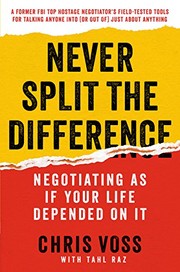
A Never Split the Difference review and summary: former FBI negotiator Chris Voss on getting better outcomes in any negotiation, including your rates.
★★★★½4.7/5
The verdict: FBI hostage tactics turned into everyday negotiation, and it works.
🎧 Listen free on Audible
Try Kindle Unlimited
Buy the paperback
What is Never Split the Difference about?
Voss, a former lead FBI hostage negotiator, turns the techniques he used in life-or-death situations into practical methods for everyday negotiation, from salaries and rates to deals and disagreements.
Never Split the Difference summary
Voss argues that traditional negotiation advice, built around logic and meeting in the middle, misses how people actually decide, which is emotionally. His methods start from empathy and listening rather than argument.
The book covers a toolkit of techniques. Tactical empathy, understanding and naming the other side's feelings. Mirroring, repeating their last few words to keep them talking. Labelling, putting their emotions into words to defuse them. Calibrated questions that start with how or what, which make the other person solve your problem for you. And the counterintuitive power of a well-placed no, which makes people feel safe, over chasing a yes. The title comes from his insistence that compromise, splitting the difference, is often the worst outcome for both sides.
Each idea comes wrapped in a real hostage-negotiation story, which makes it a gripping read as well as a practical one. The techniques translate directly to business, where most self-employed people negotiate badly or avoid it altogether.
Published in 2016, it became a bestseller and a standard reference on negotiation, praised for being practical rather than theoretical. It is aimed at anyone who wants to negotiate better in work and life.
Key ideas and takeaways
- Tactical empathy. Understand and name the other side's emotions to lower their guard.
- Mirroring and labelling. Repeat their words and name their feelings to keep them talking.
- Calibrated questions. Ask how and what questions that make them solve your problem.
- Aim for no. A safe no often opens more than a pressured yes.
My honest take
For the self-employed, this might be one of the most quietly profitable books on the list, because so many of us are terrible at negotiating and simply take the first number offered. Voss gives you a toolkit that works, and, crucially, does not require you to be a natural salesperson or a hard case.
The techniques are practical and immediately usable. Labelling a client's concern before they voice it, asking how am I supposed to do that when a budget is unrealistic, aiming for a calm no rather than a nervous yes. I have used these in real rate conversations and they change the dynamic completely. The hostage stories make it a genuinely enjoyable read on top.
What makes it stick is the empathy at its core. This is not about tricking or steamrolling people; it is about understanding them well enough that better deals become possible for both sides. That framing makes it usable by people who hate the idea of hard-selling.
Where it falls short
- The techniques need practice before they feel natural rather than scripted.
- The dramatic stories sometimes crowd out the everyday application.
How it compares
Influence explains the psychology of persuasion in general; Never Split the Difference applies it directly to live negotiation. Read Cialdini for the theory and Voss for the conversation itself.
Who should read it (and who should skip it)
Anyone who negotiates rates, contracts or deals, which is every freelancer. Skip it only if you are already a confident, skilled negotiator.
How to actually use it if you are self-employed
- Before your next rate conversation, prepare two calibrated how or what questions.
- Practise labelling a client's likely concern out loud before they raise it.
- Stop splitting the difference by default; hold your number and ask questions instead.
- Lead with empathy, not logic.
- Mirror, label and ask calibrated questions.
- A calm no beats a pressured yes.
Twenty years self-employed, 500+ people coached. If you want help applying this to your own situation, book a free discovery call.
Frequently asked questions
Is it only about big negotiations?
No. The techniques work for everyday situations, from rates and salaries to disagreements with clients.
What does the title mean?
Voss argues that compromise, splitting the difference, is often the worst result, and that better outcomes come from understanding the other side.
Is it manipulative?
It is built on empathy and understanding rather than tricks, which is what makes it usable with integrity.
Do the techniques take practice?
Yes. They feel awkward at first and get more natural with use.
Is the audiobook good?
Very. Voss narrates parts and the hostage stories carry well on audio.
Final verdict
Never Split the Difference earns 4.7/5. FBI hostage tactics turned into everyday negotiation, and it works. If it is the stage you are at, the cheapest way in is a free Audible trial or Kindle Unlimited.
Discover more from Alan Spicer - YouTube Certified Expert
Subscribe to get the latest posts sent to your email.


