

A Richest Man in Babylon review and summary: George Clason's timeless money principles told through simple ancient parables.
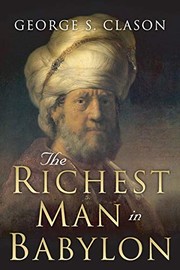
★★★★½4.6/5
The verdict: The money basics, in parables, in an afternoon.
🎧 Listen free on Audible
Try Kindle Unlimited
Buy the paperback
What is The Richest Man in Babylon about?
Clason teaches the fundamentals of personal finance through a set of parables set in ancient Babylon. The lessons, pay yourself first, live below your means, make money work for you, are simple, old and still true.
The Richest Man in Babylon summary
The book is a collection of short parables set in ancient Babylon, following characters who learn, and teach, the basic laws of building wealth. The most famous, the richest man in Babylon, shares how a humble scribe became the wealthiest man in the city.
The lessons are deliberately simple and repeated across the stories. Pay yourself first: save at least a tenth of everything you earn before anything else. Live below your means and control your spending. Make your savings work by investing them wisely, and guard them against loss. Seek advice only from those competent to give it. Improve your ability to earn. None of it is complicated, and that is the point; the parable format makes timeless principles memorable.
Because it dates from the 1920s and uses old-fashioned, biblical-sounding language, it has a distinctive style. But it is short, readable in an afternoon, and covers the foundations of personal finance more clearly than many modern books manage in far more pages.
First published in 1926, it has sold millions and remained a recommended primer on personal finance for a century. It is aimed at anyone who wants the timeless basics of money in a simple, memorable form.
Key ideas and takeaways
- Pay yourself first. Save at least a tenth of all you earn, always.
- Live below your means. Control spending so there is always something to save.
- Make money work. Invest savings wisely so they earn for you.
- Guard your wealth. Protect your money and take advice only from the competent.
My honest take
This is the book to hand your younger self, or anyone starting out. It strips personal finance back to a handful of laws that have not changed in a hundred years, and delivers them in a form you actually remember, because they are stories rather than spreadsheets.
Pay yourself first is the one that matters most, and it is worth the entry price alone. For the self-employed, whose income is irregular and whose saving is easily neglected, that single discipline, taking a slice off the top before anything else, is the foundation everything else sits on. It is short, gentle and timeless, and I still recommend it decades after first reading it.
The old-fashioned language is either charming or grating depending on your taste, and it takes a chapter to settle into. But do not mistake simplicity for shallowness; these are the foundations, and most people who struggle with money have simply never applied them.
Where it falls short
- The old-fashioned language takes some getting used to.
- It covers only the fundamentals, so experienced savers will find little new.
How it compares
I Will Teach You to Be Rich is the modern, tactical version; The Richest Man in Babylon is the timeless foundation beneath it. Read Clason for the principles and Sethi for the current system.
Who should read it (and who should skip it)
Anyone starting out with money, or who never learned the basics. Skip it if your financial foundations are already solid.
How to actually use it if you are self-employed
- Set up an automatic transfer of at least ten percent of income to savings.
- List where your money leaks and cut one thing to live below your means.
- Move idle savings somewhere they can earn rather than sitting still.
- Pay yourself first, always.
- Live below your means.
- Make your money work and guard it.
Twenty years self-employed, 500+ people coached. If you want help applying this to your own situation, book a free discovery call.
Frequently asked questions
Is it still relevant?
Yes. The principles, pay yourself first, live below your means, are timeless, even if the language is old.
Is it hard to read?
No, it is short and simple, though the old-fashioned, parable style takes a chapter to settle into.
What is the main lesson?
Pay yourself first: save at least a tenth of everything you earn before spending the rest.
Is there a free version?
As a very old classic it is often free or very cheap, and frequently on Kindle Unlimited.
Is it too basic?
If you already have the fundamentals, yes. It is best for people building the foundations.
Final verdict
The Richest Man in Babylon earns 4.6/5. The money basics, in parables, in an afternoon. If it is the stage you are at, the cheapest way in is a free Audible trial or Kindle Unlimited.
