Lily & Loaf Hub
Product guide

Sleep Pillow Mist

Best pick GLP‑1 friendly

Promotes deep, restorative sleep Expertly formulated with a specialist blend of calming oils, including Lavender, Roman Chamomile, and Frankincense, this mist helps quiet racing thoughts, reduce night time restlessness, and support healthy sleep cycles. Available at Lily & Loaf.

Not medical advice. Check labels and speak to a clinician if unsure.

Sleep Pillow Mist

Category fit: daily

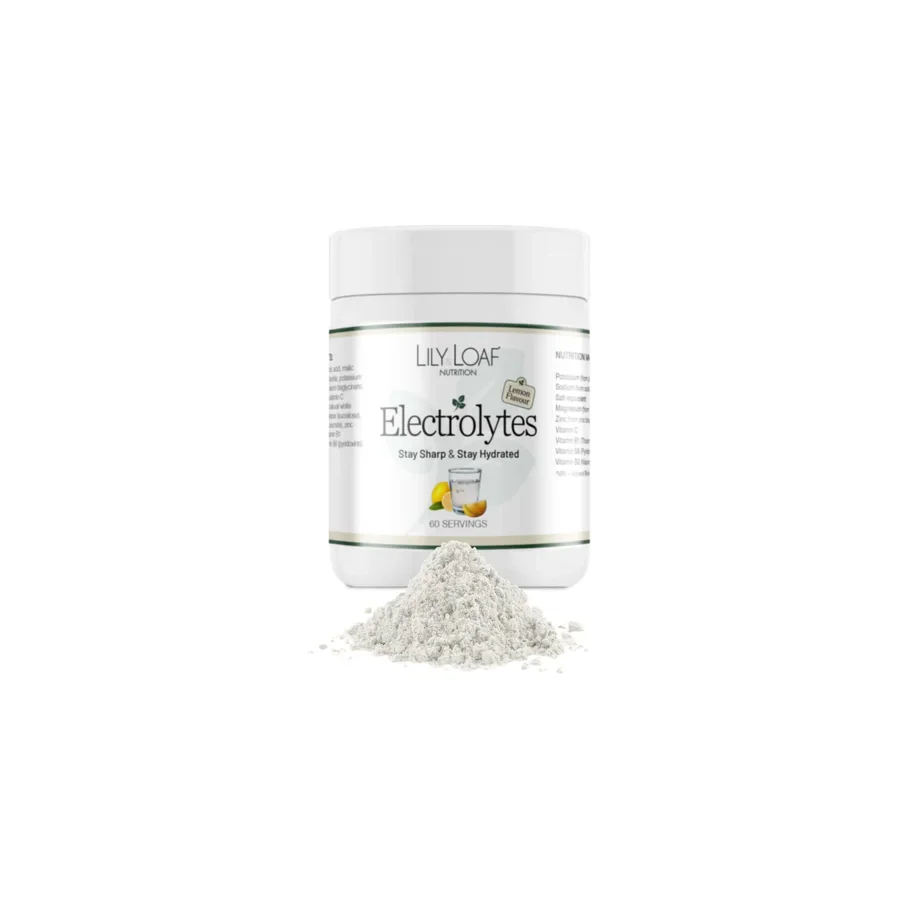
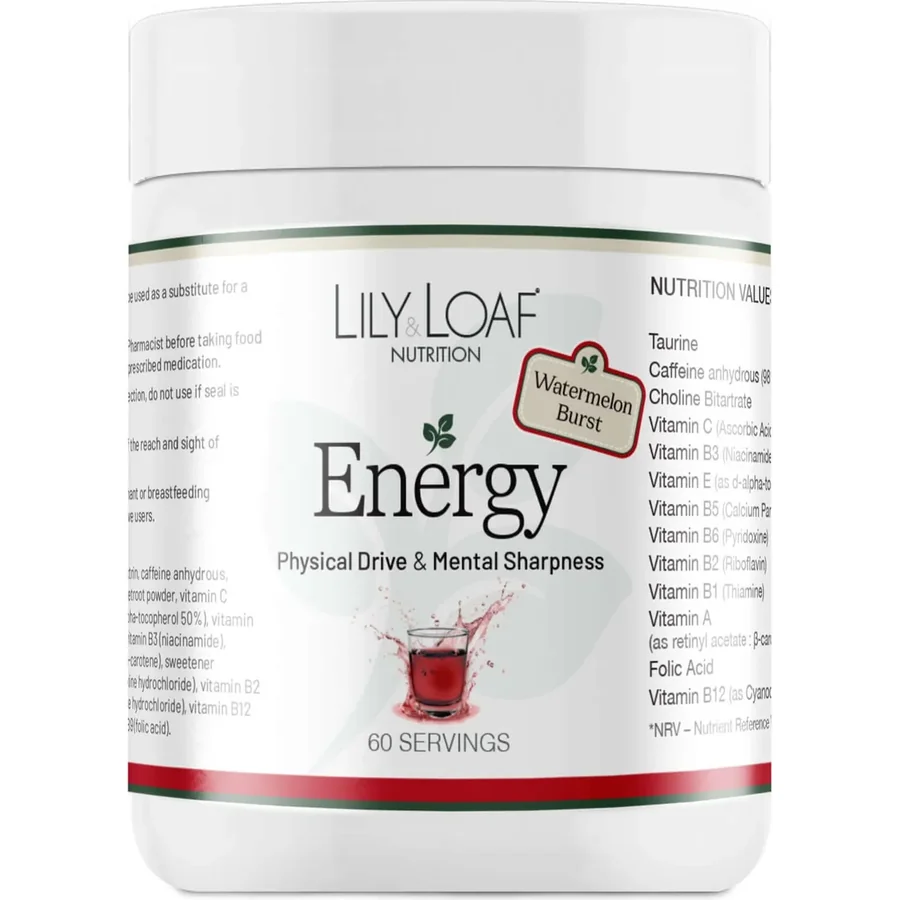
Often bought together

Common pairings that make a simple stack. Start small and add only what you need.

Key benefits (plain English)

  • Distilled Water: Purified for clarity and freshness, this gentle carrier creates a light, refreshing mist that leaves no residue on fabric or skin.
  • Polysorbate 20: A plant-derived emulsifier that blends water and essential oils into a stable, even spray - ensuring each breath carries the full aromatic benefit.
  • Benzyl Alcohol: A naturally occurring compound found in essential oils like jasmine and ylang ylang. Acts as a mild preservative to maintain freshness without the need for harsh synthetic additives.
  • Amethyst Crystal: Protective and calming. Supports the natural dispersion of the oil-water blend and helps shield against negative energy, promoting emotional calm and deeply restful sleep.

Quick action

Ready when you are

If this looks like a fit, you can buy directly from Lily & Loaf. No pressure — consistency matters more than urgency.

Who it’s for (and who should be cautious)

Good fit if…

You want a simple routine and a product that matches your current goal.

Be cautious if…

If you have allergies or sensitivities, check the label first.

My take

This supplement is a slow burn — consistent use beats a quick blast. Start low and go slow.

How to use it

Follow the label directions. Consistency matters more than perfect timing.

Tip: start with one product, stick with it for a couple of weeks, then add the next layer if needed.

Compare to alternatives

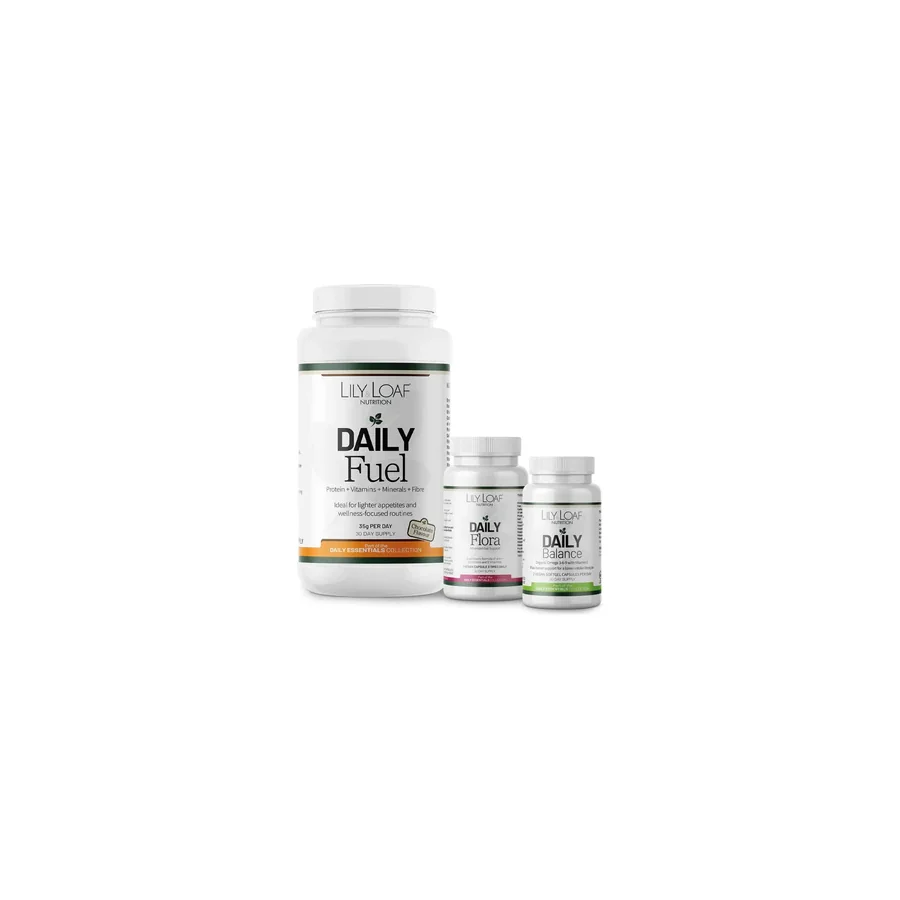
You may also like
FAQs

Are Lily & Loaf supplements safe to take?
Most supplements are well tolerated when used as directed, but suitability depends on your health, medications, and sensitivities. Check labels and speak to a clinician if you’re unsure.
How long does it take to notice a difference?
Some support (like hydration/electrolytes) can feel quicker, while nutrient and gut routines usually take a few weeks of consistent use.
Can I take multiple supplements together?
Yes, but keep it simple: add one change at a time and avoid stacking lots of overlapping formulas. If you take medications, check interactions first.
What time of day is best?
Match timing to the goal: energy-focused supplements earlier, digestion support with meals, and calming routines (like magnesium) in the evening.
Do I need supplements if I eat well?
Food comes first, but supplements can help cover gaps—especially during appetite changes, travel, or higher stress periods.
What should I avoid combining?
Avoid doubling up on the same vitamins/minerals across multiple products, and be cautious with stimulants if you’re sensitive to caffeine.
Is this medical advice?
No—this hub shares practical, experience-led guidance. For personal medical advice, speak to your GP or clinician.
What’s the simplest way to start?
Start with the basics: hydration, protein consistency, and one “daily essentials” style product before adding targeted support.
Who is Sleep Pillow Mist best for?
Sleep Pillow Mist is best for people who want a simple, consistent routine aligned to their current goal. Check the label and start gently if you’re sensitive.
How should I take Sleep Pillow Mist?
Follow the label directions. For most products, consistency matters more than perfect timing—pair it with an existing habit so you actually stick to it.
Can I take this on GLP‑1 medications?
Many people do, but tolerance varies. If you’re on GLP‑1s and have GI sensitivity, introduce one change at a time and check with your clinician if unsure.
What if it upsets my stomach?
Stop and reassess. Try taking it with food, reducing the dose, or switching to a gentler option. Persistent symptoms should be discussed with a clinician.