Tier 1 pillar
Daily Supplements Guide
A simple baseline stack you can actually keep up — plus best picks and a quick comparison.
Fast, food-first, non-hype
GLP‑1 friendly + clear best picks
Not medical advice. Always check suitability and interactions.

Start here
The “boring baseline”
Consistency beats complexity. Build a routine you’ll actually do.
My default order
- Hydration first
- Protein anchor
- One daily essentials-style product

Best picks
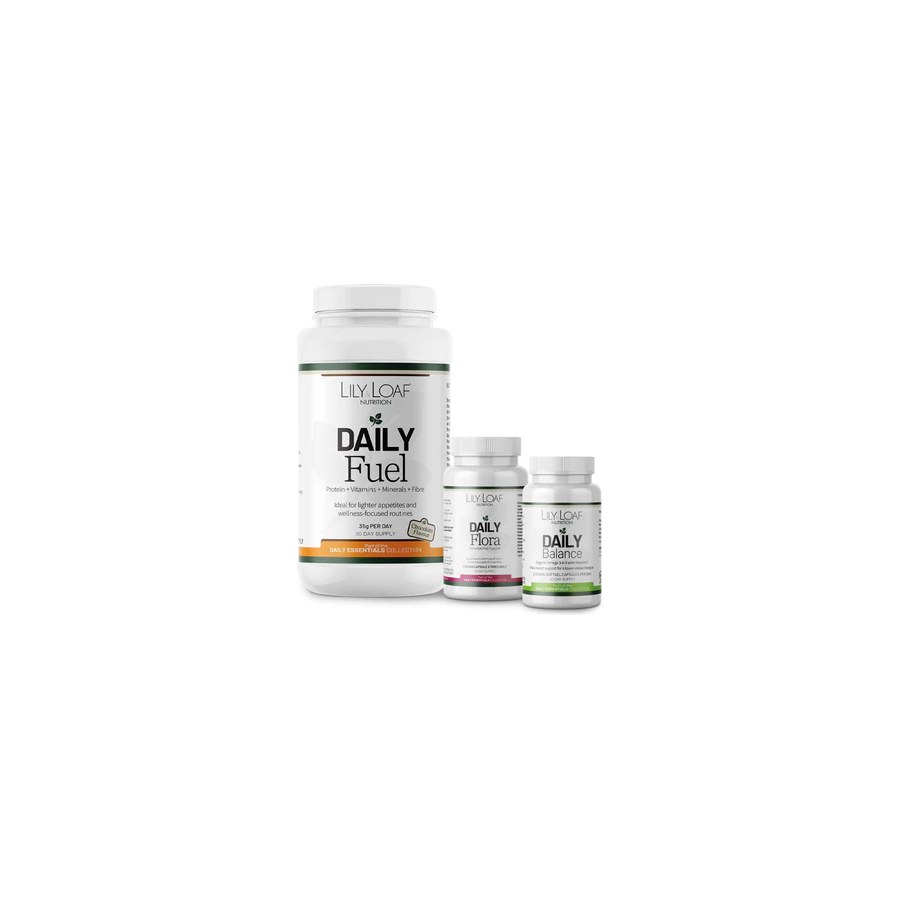
Daily Essentials Bundle
Protein + omega + gut support style combo for ‘one decision’ routines.
Quick comparison
| Option | Best for | When | Notes |
|---|---|---|---|
| Daily Essentials Bundle | Simplest routine | Morning or lunchtime | Great if appetite is inconsistent |
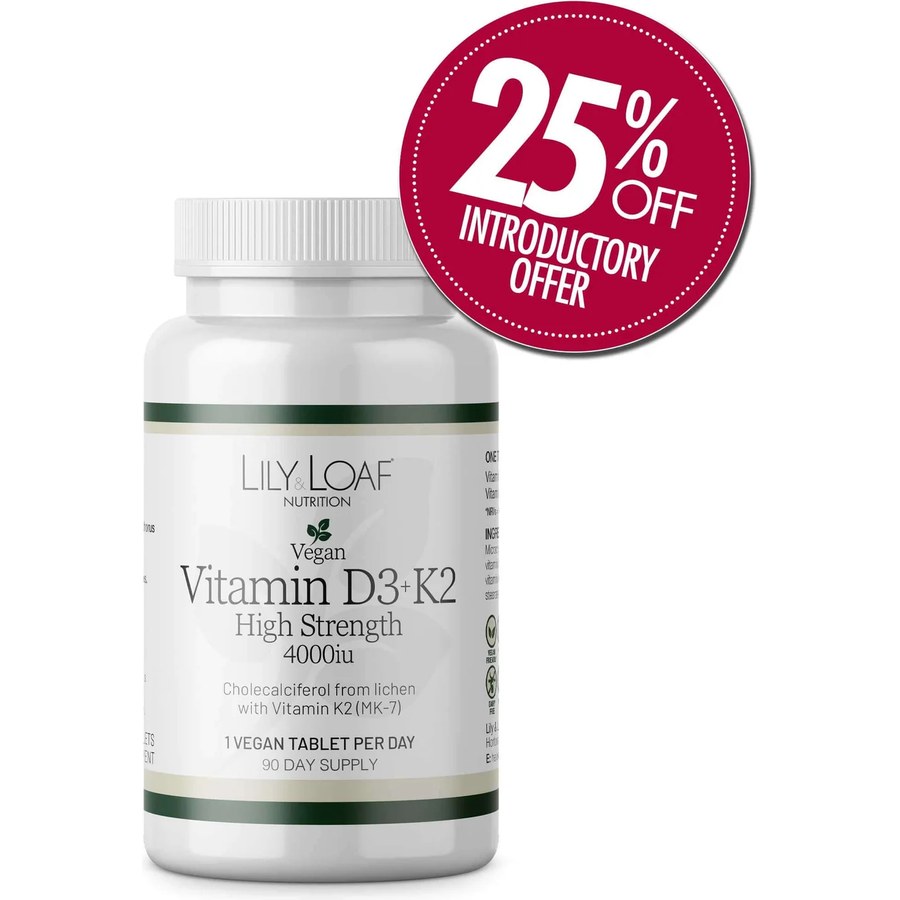
| Vitamin D3 + K2 | Daily foundational support | With a meal | Good in winter or low sun exposure |
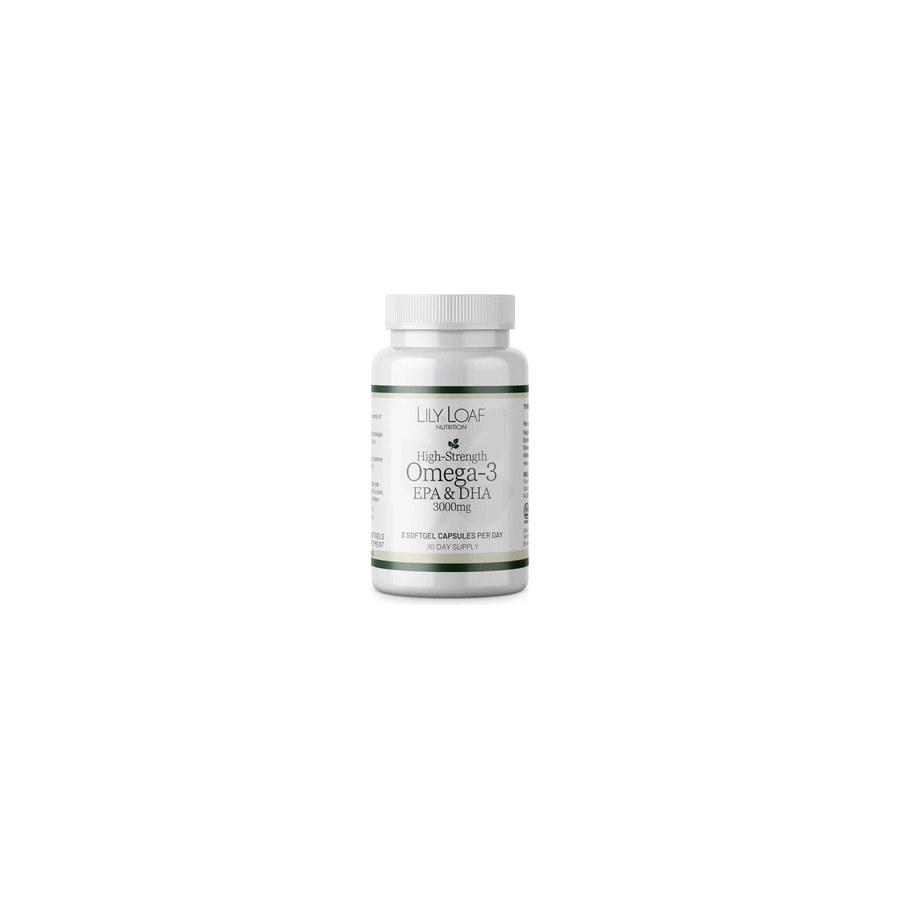
| Omega‑3 | Fish intake gaps | With largest meal | Split dose if needed |
How to choose (quick decision guide)
- Keep it to 1–3 items — Most routines fail because they’re too long.
- Pair with an existing habit — Morning coffee, brushing teeth, or lunch — make it automatic.
- Start low, build up — If your stomach is sensitive, go slower than you think.
- Track one outcome — Energy, digestion, cravings, sleep — pick one metric.
What I’d do on GLP‑1
If appetite is reduced, the routine gets even simpler: hydration first, then protein, then a small, consistent supplement baseline. The goal is to prevent the common “I’m not eating much so I feel rough” spiral.
If you’re on GLP‑1 meds, talk to your clinician about monitoring key nutrients if intake stays low for long periods.
FAQs
Do I need a multivitamin if I use a bundle?
Sometimes the bundle already covers a lot. I prefer to avoid doubling up — pick one ‘coverage’ product, then add only what you need.
Are these pages medical advice?
No — this is practical, experience-led guidance. Always check labels, consider interactions, and speak to a clinician if you’re unsure.
Do supplements work if my diet is already good?
They can help fill gaps or support specific routines, but they’re not a replacement for sleep, hydration, protein and whole foods.
What matters more — brand or ingredients?
Ingredients, doses, and consistency usually matter more than the label. Brand trust and quality control still count.
How long should I try a supplement before judging it?
For most basics, give it 2–4 weeks. For things like collagen routines, think 8–12+ weeks.
Can I take multiple supplements together?
Often yes, but start one at a time so you can tell what helps (and what doesn’t).
What’s the simplest ‘start here’ stack?
A baseline often looks like: hydration + protein + a daily multi or essentials bundle — then add targeted support based on symptoms.
Do I need to cycle supplements?
Most daily basics don’t need cycling. Stimulants (like caffeine-based products) may benefit from breaks if tolerance builds.
What if a supplement upsets my stomach?
Take with food, reduce the dose, and stop if symptoms persist. Consider trying a different format.
Can supplements help with fatigue?
Sometimes — especially if fatigue is linked to low intake, low hydration, or poor sleep. Rule out medical causes first.
What about supplements while on GLP-1 medications?
Many people need extra focus on hydration, protein, fibre tolerance, and micronutrient basics. Go slow and discuss with your clinician if needed.
How do I avoid wasting money?
Pick one goal, choose one product, trial it consistently, and only stack once you’ve got a clear baseline.
FAQs
Are Lily & Loaf supplements safe to take?
Most supplements are well tolerated when used as directed, but suitability depends on your health, medications, and sensitivities. Check labels and speak to a clinician if you’re unsure.
How long does it take to notice a difference?
Some support (like hydration/electrolytes) can feel quicker, while nutrient and gut routines usually take a few weeks of consistent use.
Can I take multiple supplements together?
Yes, but keep it simple: add one change at a time and avoid stacking lots of overlapping formulas. If you take medications, check interactions first.
What time of day is best?
Match timing to the goal: energy-focused supplements earlier, digestion support with meals, and calming routines (like magnesium) in the evening.
Do I need supplements if I eat well?
Food comes first, but supplements can help cover gaps—especially during appetite changes, travel, or higher stress periods.
What should I avoid combining?
Avoid doubling up on the same vitamins/minerals across multiple products, and be cautious with stimulants if you’re sensitive to caffeine.
Is this medical advice?
No—this hub shares practical, experience-led guidance. For personal medical advice, speak to your GP or clinician.
What’s the simplest way to start?
Start with the basics: hydration, protein consistency, and one “daily essentials” style product before adding targeted support.
How do I choose the right product from this page?
Use the ‘Best pick’ first, then match the badges to your goal (GLP‑1 friendly, gentle, budget, energy). If in doubt, start with the simplest option.
Are these recommendations GLP‑1 friendly?
Where relevant, the picks focus on gentle, food-first support that fits GLP‑1 routines. Always check tolerance and speak to your prescriber if needed.
Can supplements help with low appetite on GLP‑1?
They can support hydration and micronutrient gaps, but the priority is still protein, fluids, and small regular meals. Supplements are add-ons, not replacements.