Lily & Loaf Hub
Product guide

Head Tension Aromatherapy Roller

Best pick GLP‑1 friendly

Provides relief from head tension This uplifting formula includes Spearmint, Peppermint, and Lavender to help ease physical and mental strain, offering gentle support when experiencing mild head discomfort or stress-induced tightness. Available at Lily & Loaf.

Not medical advice. Check labels and speak to a clinician if unsure.

Head Tension Aromatherapy Roller

Category fit: daily

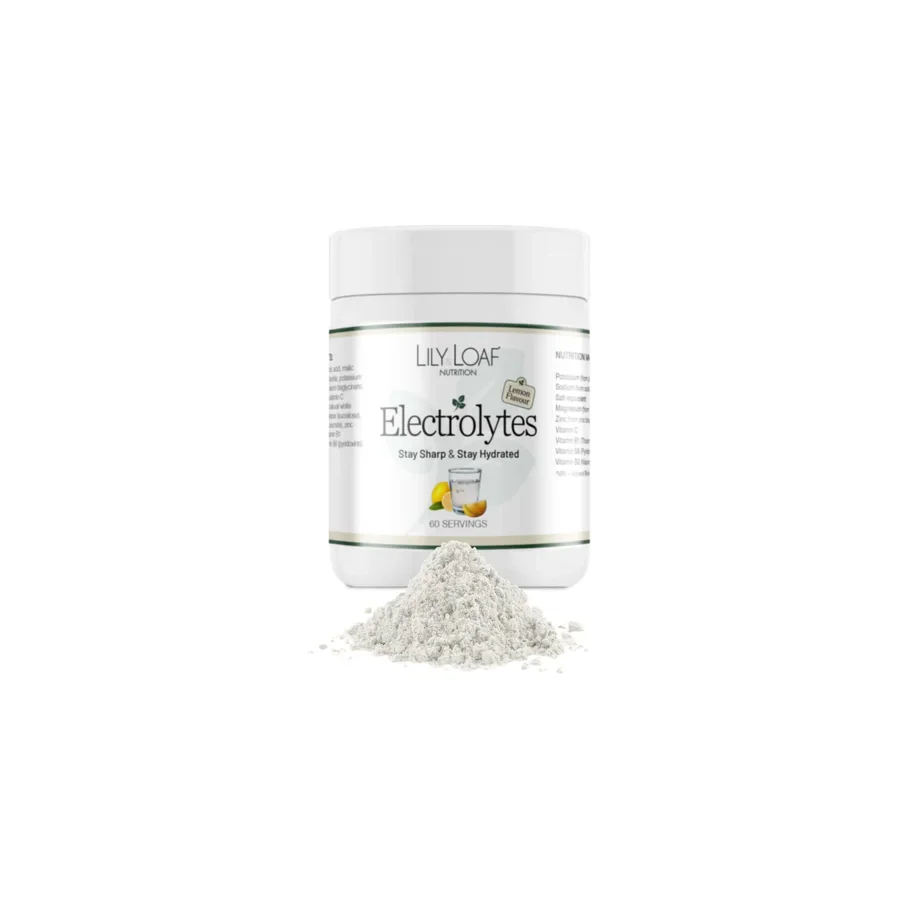
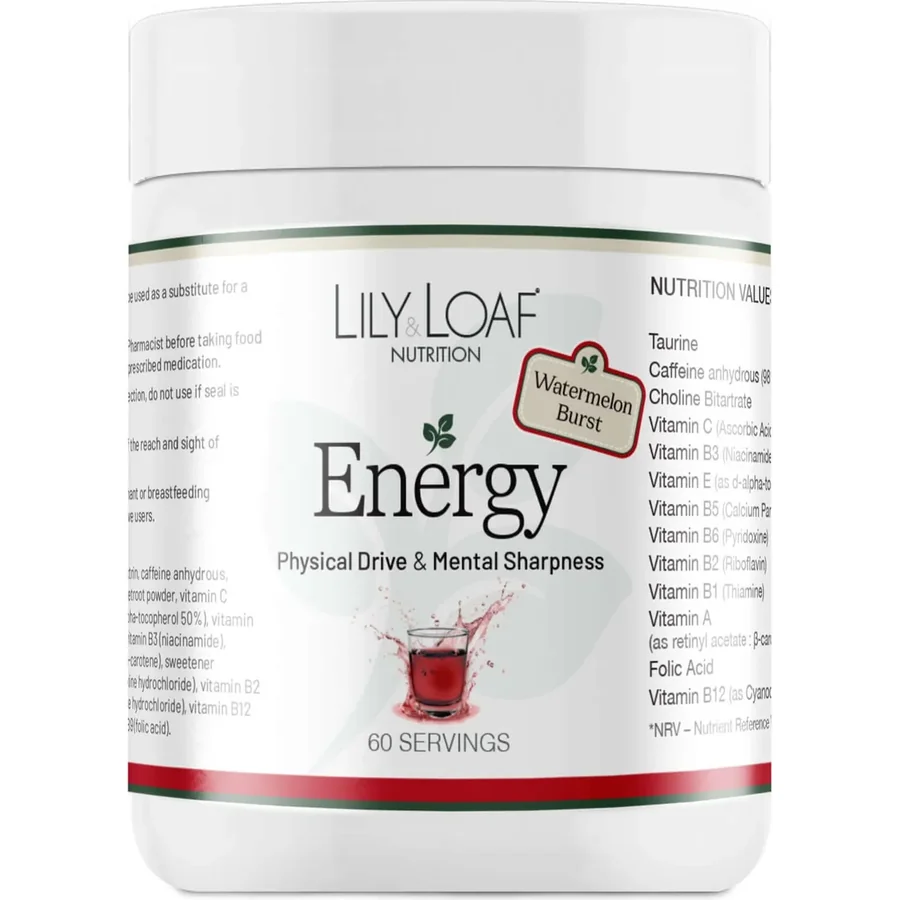
Often bought together

Common pairings that make a simple stack. Start small and add only what you need.

Key benefits (plain English)

  • Organic Apricot Kernel Oil: Lightweight and rich in vitamins, it enhances the absorption of essential oils for optimal efficacy.
  • Organic Sunflower Seed Oil: High in linoleic acid and antioxidants, it protects the skin.
  • Organic Jojoba Oil: Naturally rich in vitamins and wax esters that support healthy skin.
  • Vitamin E (Tocopherol): Therapeutic for the skin and acts as a natural preservative to extend shelf life.
  • Lavandula Angustifolia Oil (Lavender): Lavender is a well established aromatherapy solution for head tension and discomfort. It is recognised  for its calming, analgesic, and anti-inflammatory properties, helping to reduce discomfort and tension.

Quick action

Ready when you are

If this looks like a fit, you can buy directly from Lily & Loaf. No pressure — consistency matters more than urgency.

Who it’s for (and who should be cautious)

Good fit if…

You want a simple routine and a product that matches your current goal.

Be cautious if…

If you have allergies or sensitivities, check the label first.

My take

This supplement is a slow burn — consistent use beats a quick blast. Start low and go slow.

How to use it

Follow the label directions. Consistency matters more than perfect timing.

Tip: start with one product, stick with it for a couple of weeks, then add the next layer if needed.

Compare to alternatives

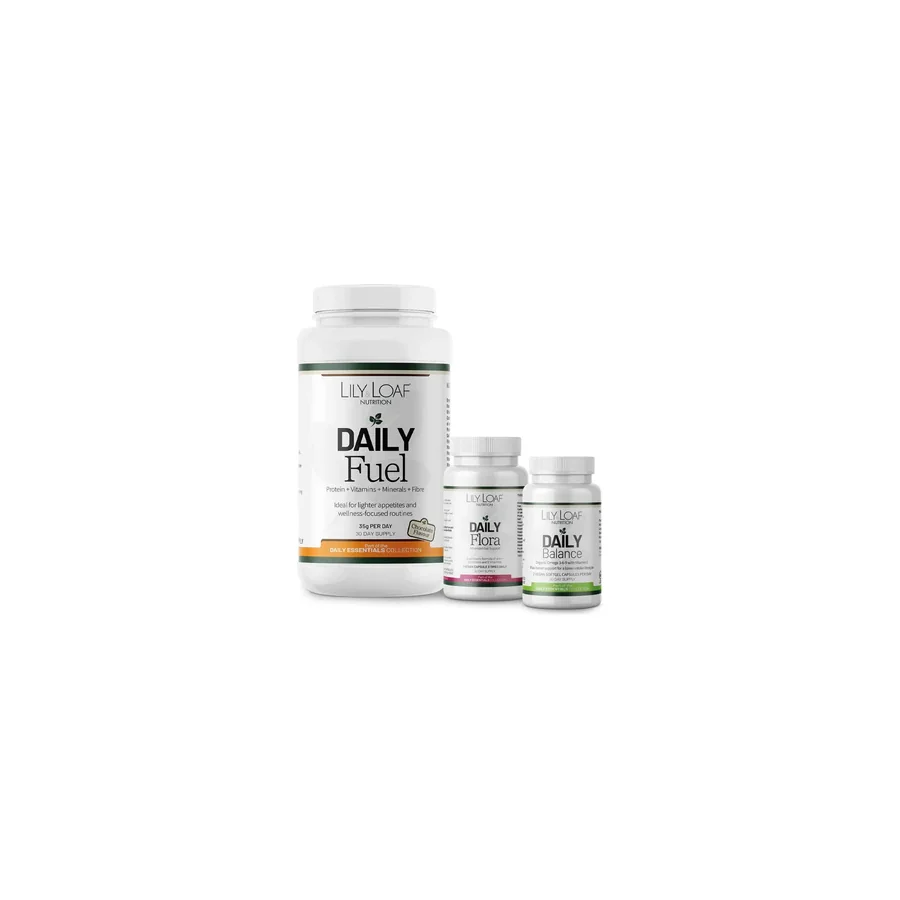
You may also like
FAQs

Are Lily & Loaf supplements safe to take?
Most supplements are well tolerated when used as directed, but suitability depends on your health, medications, and sensitivities. Check labels and speak to a clinician if you’re unsure.
How long does it take to notice a difference?
Some support (like hydration/electrolytes) can feel quicker, while nutrient and gut routines usually take a few weeks of consistent use.
Can I take multiple supplements together?
Yes, but keep it simple: add one change at a time and avoid stacking lots of overlapping formulas. If you take medications, check interactions first.
What time of day is best?
Match timing to the goal: energy-focused supplements earlier, digestion support with meals, and calming routines (like magnesium) in the evening.
Do I need supplements if I eat well?
Food comes first, but supplements can help cover gaps—especially during appetite changes, travel, or higher stress periods.
What should I avoid combining?
Avoid doubling up on the same vitamins/minerals across multiple products, and be cautious with stimulants if you’re sensitive to caffeine.
Is this medical advice?
No—this hub shares practical, experience-led guidance. For personal medical advice, speak to your GP or clinician.
What’s the simplest way to start?
Start with the basics: hydration, protein consistency, and one “daily essentials” style product before adding targeted support.
Who is Head Tension Aromatherapy Roller best for?
Head Tension Aromatherapy Roller is best for people who want a simple, consistent routine aligned to their current goal. Check the label and start gently if you’re sensitive.
How should I take Head Tension Aromatherapy Roller?
Follow the label directions. For most products, consistency matters more than perfect timing—pair it with an existing habit so you actually stick to it.
Can I take this on GLP‑1 medications?
Many people do, but tolerance varies. If you’re on GLP‑1s and have GI sensitivity, introduce one change at a time and check with your clinician if unsure.
What if it upsets my stomach?
Stop and reassess. Try taking it with food, reducing the dose, or switching to a gentler option. Persistent symptoms should be discussed with a clinician.